Cooperation the way forward for Japan, China










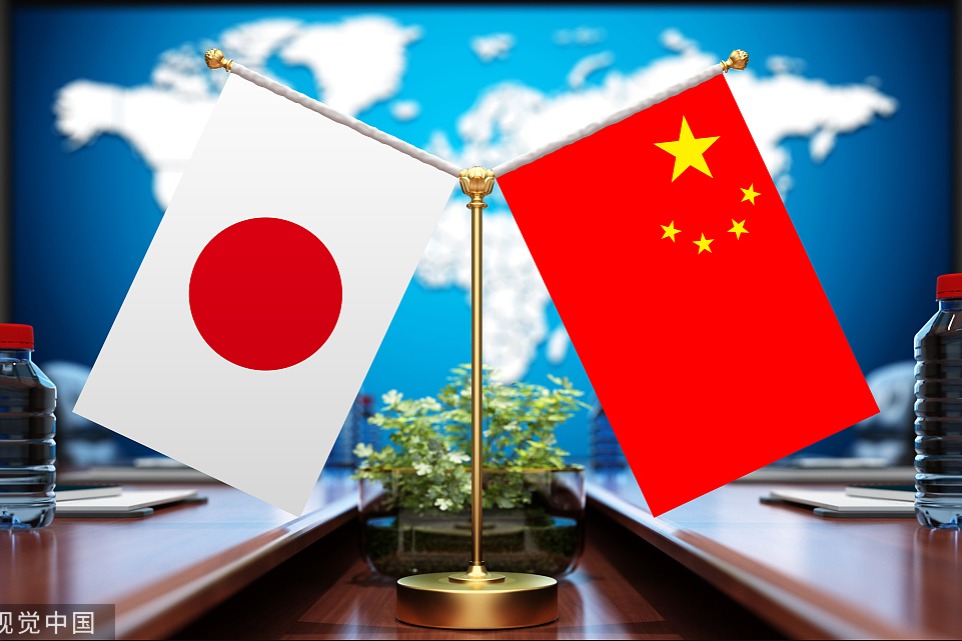
It is a miracle that two of the biggest economies in the world are close neighbors. The economic relationship between China and Japan, which can be described as a "dance of dragons", is a fascinating but somewhat complicated matter. On the one hand, they are intertwined giants, with China being Japan's largest trading partner and a major investment destination, and vice versa. On the other hand, the differences in their perspectives and their geopolitical rivalry have cast a shadow on bilateral relations. Understanding this "complex dance" is crucial for the two sides to seize the opportunities and overcome the challenges it presents.
The economic melody between the two countries is undeniable. Bilateral trade has soared in recent decades, fueled by China's vast market and efficient large-scale production capability, as well as Japan's technological and sub-cultural capability. This interdependence created a win-win situation, with China accessing advanced and environmentally-friendly technologies and Japan finding a lucrative consumer base and excellent production hub.
This win-win situation, however, faces somewhat discordant notes. Concerns over intellectual property rights protection, market access barriers, regulatory uncertainties and limited flow of people between the two sides could dampen the rhythm of this economic symphony.
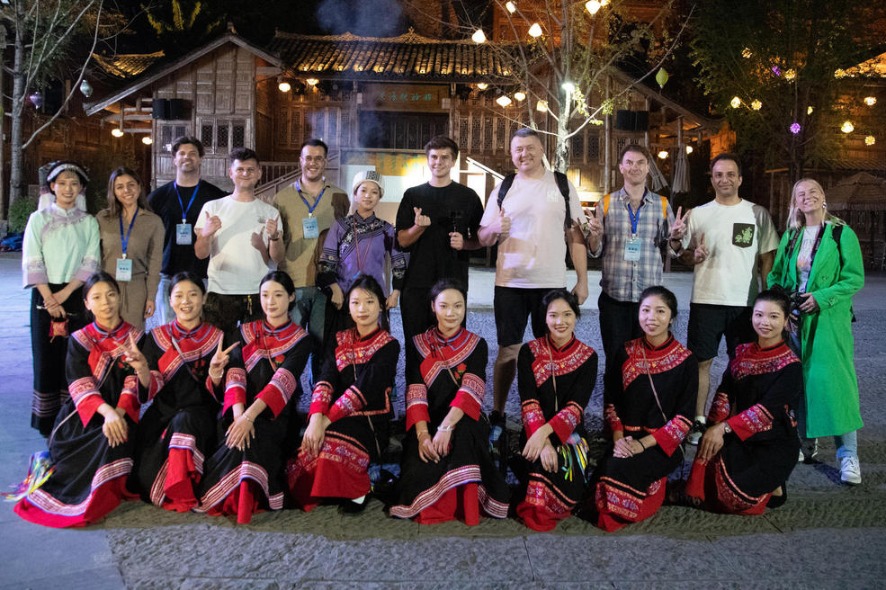
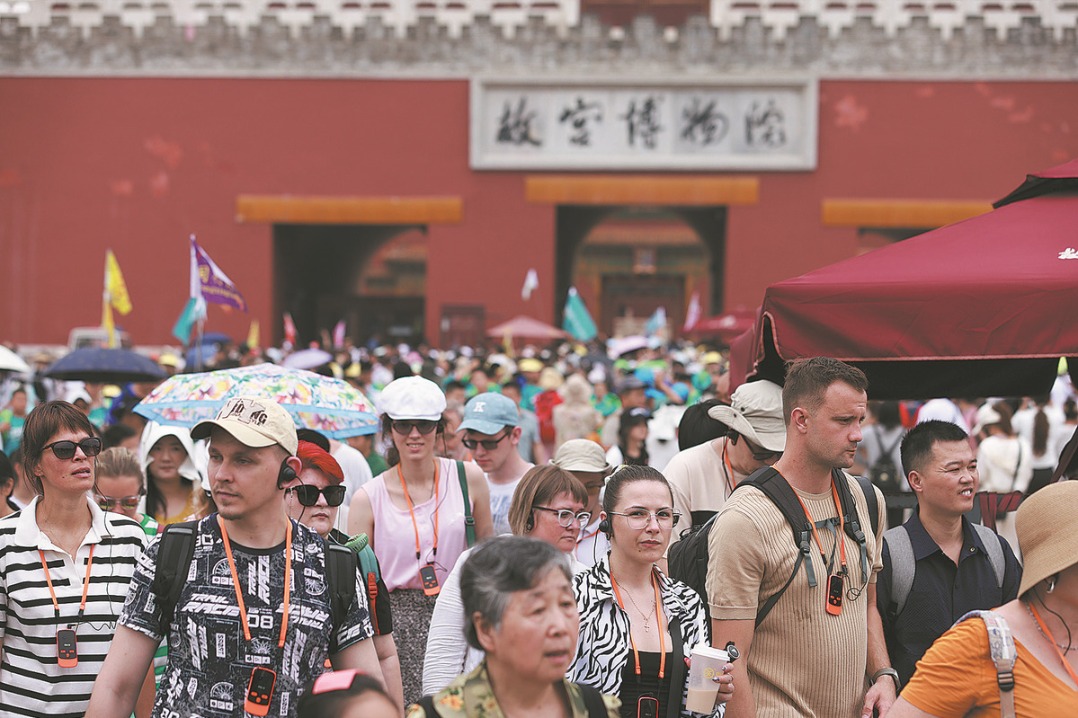
In particular, the flow of people between the two countries is much below the pre-pandemic level. Which is of concern, for the best way to know each other is to meet in person. The more people visit each other, the deeper their mutual understanding is likely to be. China and Japan have maintained official/unofficial trade and communication channels since the Sui Dynasty (581-618). And the most important aspect of maintaining trade or other relations is trust, which is always fostered by people's warm hearts.
I love the Chinese people's heart-warming, kind and friendly attitude toward foreigners. I always feel Chinese people's ren qing wei — human touch or human warmth. The Chinese people have always been innovative and forward-looking.
One of my best Chinese friends always tells me that he loves to visit Japan, because Japan has preserved Tang Dynasty (618-907) architectures not only in Kyoto and Nara but in other parts of the country. He has visited a lot of old temples and shrines in Japan, some of which have preserved ancient calligraphy works written in classical Chinese characters. We both have the same hanzi — Chinese characters.
Fukuzawa Yukichi, a famous scholar whose portrait you can find on Japan's highest denomination bank note, of 10,000 yen, was already a master of ancient Chinese literature when he started studying science and technology in English almost 170 years ago. As a result, he coined so many Japanese terms using Chinese words, for example, jingji — economy, yinhang — bank, baoxian — insurance and renmin — people. Their roots are all in ancient Chinese literature which Fukuzawa had mastered.
China faces new economic challenges, the challenges a country faces in transitioning from a developing to a developed country, especially because its economic growth rate has slowed down. Japan, too, faces the challenges of caring for its rapidly rising aging population, and dealing with the declining population. It also lags behind in adapting to the digital economy in a big way.
From the late 1970s to the 2000s, Japan provided huge development assistance for China, which catalyzed the rapid growth of the Chinese economy. The Japanese funds and technologies were used not only to build huge infrastructure facilities like ports, airports, expressways, power plants and industrial zones but also for technological transfers and human resource development projects such as reforestation, low-carbon and eco-friendly technologies, and State-owned enterprises' capacity building.
After the devastating Wenchuan earthquake in May 2008, Japan dispatched teams of experts to help with the rescue and relief operation in Sichuan province. And after the quake-triggered tsunami struck northeast Japan in March 2011, China dispatched rescue teams and some Chinese companies offered to send construction equipment to Japan. This shows the two sides have always helped each other.
Also, the Chinese and Japanese economies still complement each other. China's bright university graduates need to find decent jobs, whereas Japan is plagued by serious workforce shortage. China's digital technology may soon face challenges in maintaining the current pace of innovation, whereas the digitalization of Japan's logistics/transportation sectors still has enough room for growth. If the two sides just move one step forward, that is, relax the rules for issuing visas to each other's nationals, many Japanese and Chinese people can visit each other's country, boosting not only their respective country's economy but also the two countries' mutual trust and friendship.
Now is the time for the two Asian dragons to join hands and step forward to dance together in the Year of the Dragon.
The author is an associate professor at the Graduate School of Management, Ritsumeikan Asia Pacific University.
The views don't necessarily reflect those of China Daily.
If you have a specific expertise, or would like to share your thought about our stories, then send us your writings at opinion@chinadaily.com.cn, and comment@chinadaily.com.cn.