More elderly living alone, survey says
Authorities are striving to strengthen care for the aging as trend deepens









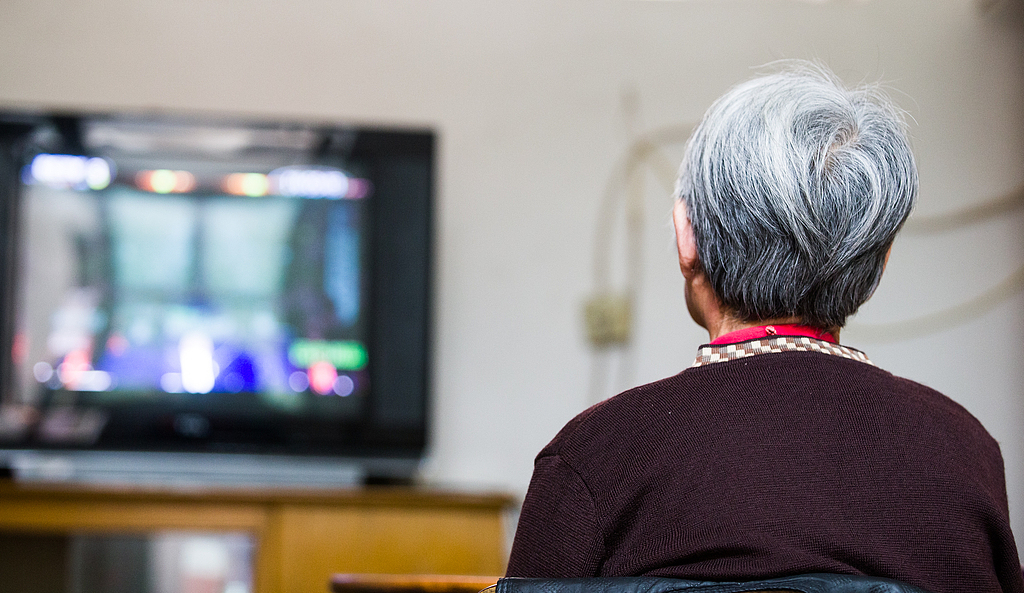
The number of elderly people living alone in China has increased significantly since 2010 as they tend to have fewer children, highlighting the significance of strengthening the nation's elder care system, according to the results of a survey released recently.
The survey considers an individual elderly once he or she reaches the age of 60.
Elderly empty nesters — those who live by themselves or live with their spouses only — accounted for 59.7 percent of all the elderly people in China in 2021, up 10.4 percentage points from 2010, according to the fifth sample survey on the living conditions of urban and rural senior residents.
About three-fourths of empty nesters lived with their spouses. The proportion of rural empty nesters was slightly higher than that of their urban counterparts, standing at nearly 62 percent, the survey said.
The survey was jointly conducted in 2021 by six government departments and elder care industry associations, including the Ministry of Civil Affairs and the National Health Commission. The results were made public recently.
It also shows that the average number of children that each senior had in 2021 was 2.6, down by 0.6 from 2010. Rural elderly had slightly more children on average at 2.9, compared with 2.3 for urban senior residents.
"In various aspects of daily life, middle-old (70 to 79 years old) and very-old (80 and above) empty nesters tend to confront greater risks, so the growing size of this population has posed higher demands for developing at-home and community-based elder care services," said the China National Aging Committee, which was involved in the survey, in a statement explaining the results.
The committee added that the trend of having fewer children will diminish families' ability to care for seniors, thus requiring accelerated efforts to improve supportive policies for home-based and public elder care.
China is coping with a rapidly aging population. Official data shows that the number of people age 60 and older was almost 297 million last year, comprising 21.1 percent of the total population. The proportion of elderly is expected to exceed 30 percent of the nation's population by 2035.
The deepening aging trend has prompted authorities to step up development of home-based and community elderly care homes, strengthen the integration of medical and elder care services and encourage the private sector to make investments in the elder care industry.
Survey results show that the number of elderly who have become more accepting of care provided by elder care institutions has increased by 3.3 percentage points since 2015.
"Their demands tend to be more varied over time, and their top five demands are at-home medical services, meal assistance, cultural and entertainment activities, health education and at-home cleaning services," the survey said.
Li Yongxin, an official at the Ministry of Civil Affairs, said during a news conference on Monday that the number of elder care facilities in China had increased to around 410,000 by June, double the figure seen in 2019. The majority of them are community-based.
To address the prominent healthcare demands of the rural elderly, Li said that efforts are being made to upgrade rural elder care homes into regional eldercare centers. Public venues in the countryside that sit idle will be the first considered for conversion into care facilities or canteens for seniors.
According to the survey, more than 56 percent of the elderly population in 2021 consisted of the younger group, from 60 to 69 years old, which was on par with the level seen in 2010.
"Young elderly represent important and valuable human resources that have great potential," said the committee, adding that the age structure of China's elderly population in China will continue to remain relatively young.
At the same time, the proportion of seniors with a senior high school diploma or degree from a higher education institute also increased from 2010 to 2021.
wangxiaoyu@chinadaily.com.cn