Increased foreign investment in hospitals set to boost healthcare
Experts believe more funding will advance high-quality treatment to meet growing demand










Further opening-up of China's medical sector to foreign investment is expected to promote high-quality services and better meet wider public healthcare needs, experts said.
A circular, jointly issued by the Ministry of Commerce, the National Health Commission and the National Medical Products Administration in September, allows wholly foreign-owned hospitals to operate in eight cities, including Beijing and Shanghai, and throughout the island of Hainan.
Decision-makers intend for public hospitals to guarantee the basics, while foreign-owned ones provide diversified services to meet the rising demand for more personalized, higher-standard medical treatment amid the country's ongoing economic and social development, industry experts said.
"Accounting for the dominant 80 percent of the country's total medical services, public hospitals stick to their priority of answering the demands of public welfare," said Liao Xinbo, former deputy director of Guangdong's Health Commission. "The spillover functions of public hospitals that are difficult to support through public medical insurance can be met wholly by foreign-funded medical institutions," Liao added.
These other functions include the use of advanced technologies and innovative therapies, and medical treatment usually done overseas, he said.
The market size of Chinese patients who travel overseas for medical treatment exceeded 3 billion yuan ($420 million) in 2019, and surpassed 4 billion yuan within three years, according to a report released by Insight and Info, a Chinese portal specializing in industry analysis.
Developed countries, such as the United States and Japan, were the main medical travel destinations, the report said.
Double benefits
Wholly foreign-owned enterprises setting up medical institutions in China will not only contribute to further opening-up, but also test whether this model is suitable for the entire country, experts said. Many top international hospitals are different from their counterparts in China in terms of patient care, technology, management models, and service awareness, they added.
"For example, the service model is one area where gaps are seen between Chinese and foreign medical treatment," said Liu Guoen, dean of the Institute for Global Health and Development at Peking University.
"China's public hospitals, especially the tertiary ones in big cities, are often overcrowded and are not in a position to provide patient-centric medical services.
"When different types of hospitals compete on the same stage, it's expected to have a positive impact on the entire medical service ecology in the country," he said.
Although some public hospitals have provided high-end medical services through their international departments, they are still limited due to the backgrounds and management methods of these hospitals, industry observers said.
However, wholly foreign-owned hospitals are not subject to the same restrictions on public medical insurance, and can set prices independently. This allows them to avoid institutional constraints and introduce industry game-changers, they said.
Shanghai Towako Hospital, China's first wholly foreign-owned hospital, opened in the Shanghai Pilot Free Trade Zone in 2016. An unnamed senior hospital executive told local media in a recent interview that they were delighted to see the relaxation of the policy again, which is good news for all medical institutions with foreign funding.
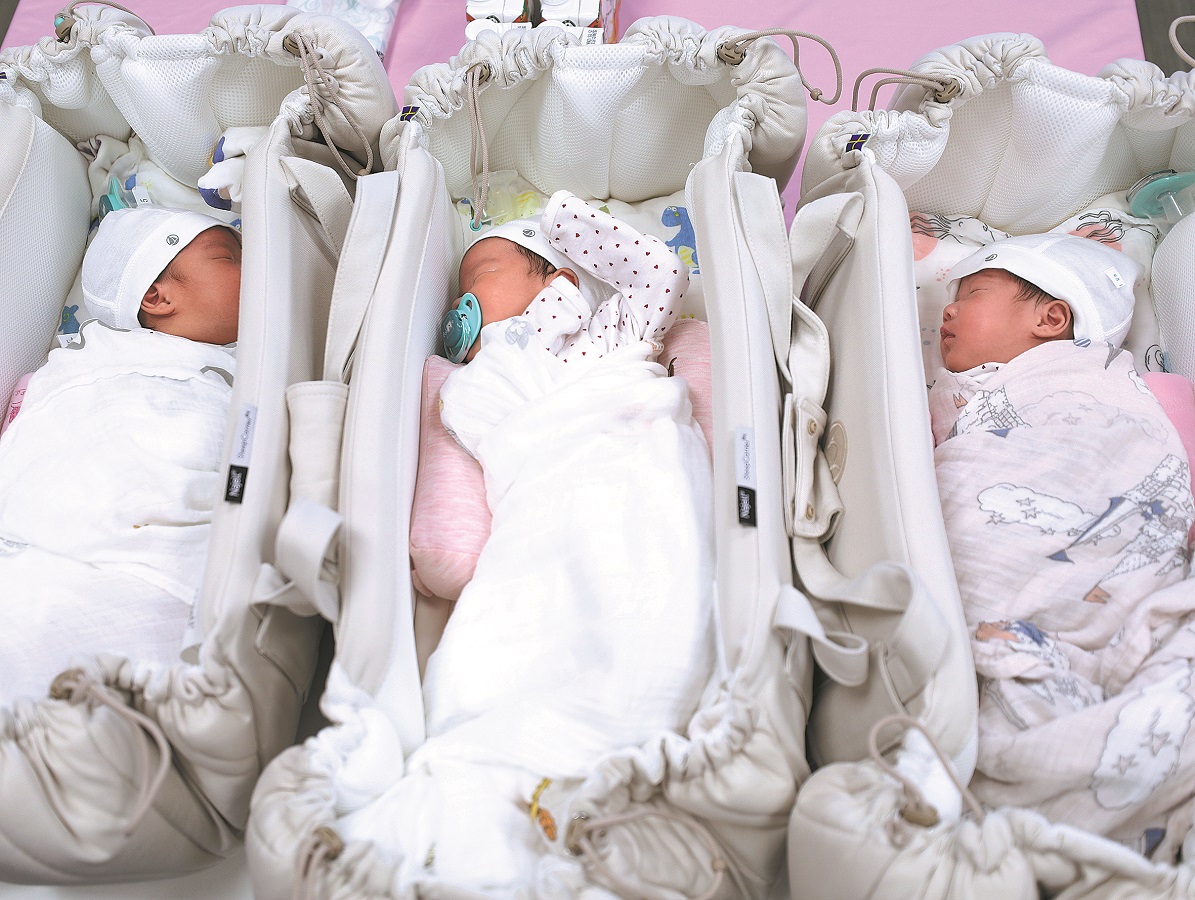
The Japan-funded hospital specializes in assisted reproductive services and was profitable within three years of opening. It has had 300,000 patient visits, and provided medical assistance to nearly 2,300 babies delivered there.
In 2021, there were more than 300 joint-venture medical institutions in the country with foreign investment, National Health Commission data showed. Around 38 percent were hospitals, and the rest were clinics or outpatient departments operating under an asset-light business model.