


The true colors of miao
Exquisite needlework skills stitch together the past and present, Zhao Xu reports.









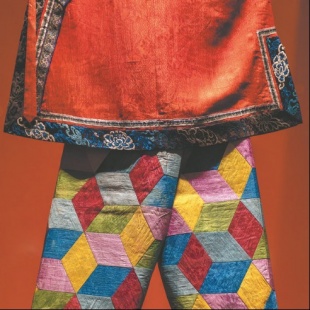
What does the word "embroidery" conjure in your mind? A symphony of colors and patterns? Glistening threads woven into delicate artistry? The quiet dedication of countless hours marked by strained eyes and aching backs? Or perhaps the opulence of haute couture, where every stitch whispers luxury? The embroidery of the Miao people — one of the most prominent ethnic groups in southwestern China — embodies all that and more, by fusing history and tradition, craftsmanship and storytelling.
"For the Miao people, embroidery is their Book of Heaven," says Tian Hui, director of the Ethnic Costume Museum at the Beijing Institute of Fashion Technology, one of China's leading fashion colleges. While the Book of Heaven in Chinese mythology contains sacred texts of divine wisdom, the needlework of the Miao people holds the key to understanding the group's history and demography, as well as its cultural and spiritual heritage, says Tian.
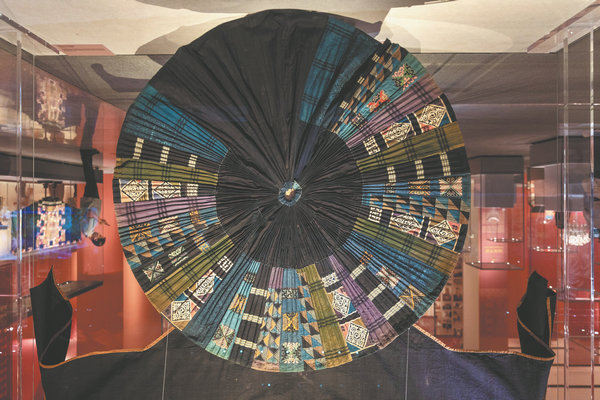
One example is the vibrantly colored lines encircling the pleated skirts typically worn by the Miao people. Some researchers of Miao ethnic clothing suggest that these lines represent the great rivers — including the Yellow River and the Yangtze River — that the Miao crossed during their migration thousands of years ago.
"It is believed that the Miao's migration began with their defeat by the legendary ruler Huangdi, or the Yellow Emperor, more than 5,000 years ago," says Yang Jie, a professor of menswear design at BIFT. Yang was referencing the battle fought between the Yellow Emperor and Chiyou, a tribal leader and mythical figure still revered by many Miao people as their ancestor.
"Given the immense antiquity of the event, it may be impossible to confirm its details, but I am inclined to believe in this narrative, particularly due to the prevalence of peony flowers in Miao embroideries," he continues. "Peonies are not native to the southwestern regions where the Miao have lived for centuries, but rather to the Yellow River Basin. The only plausible explanation is that these people carried the memories of their ancestors with them as they were driven from the fertile land of what would become central China to the more distant, mountainous regions."
Born to a mother from the Miao ethnic group in Central China's Hunan province, Yang grew up with firsthand knowledge of the deep significance that fashion heritage played, both within his family and beyond. "When my maternal aunt married, she wore the heavily embroidered wedding dress once worn by her sister-in-law who had inherited the dress from her own grandmother," he says. "It took years to craft such a dress and, once completed, was meant to be cherished and passed down across generations."
By choosing slow over fast and old over new, the Miao people have managed to preserve their cultural identity through the ages, navigating the turbulence of history and the ever-changing tides of modern life. And they are not alone.
Last year, with over 220 pieces selected from the BIFT museum, the Chinese Traditional Culture Museum in Beijing held a grand exhibition showcasing the rich, diverse fashion legacy of China's ethnic groups.
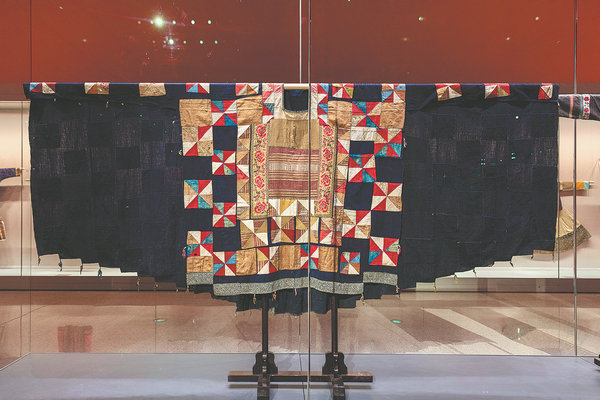
A standout piece was a voluminous blouse known as guantouyi — meaning pullover — from the ethnic Yi people. One of the two oldest forms of clothing in China, along with the wraparound style, this garment was worn by a shamanic priestess — and likely several before her. Its ample fabrics must have swirled dramatically as she danced around the fire.
A patchwork garment, the piece is made up of many triangular fabric pieces. "Some are noticeably newer than others, as any piece that became very dirty or worn was replaced with a fresh one of similar color," says Gao Dandan, the exhibition's curator and a dedicated researcher of ethnic clothing. "As the blouse was handed down from one priestess to the next, new pieces were continuously added, replacing the old — until they, too, aged. A living historical record, it carried the touch of every hand that mended it and the spirit of those who wore it."