Q&A: What to know about NPC in China's democracy









BEIJING -- Close to 3,000 deputies — ranging from farmers to state leaders — are in Beijing for the third session of the 14th National People's Congress, the country's national legislature, which opened on Wednesday.
Established in 1954, the NPC is the supreme organ of state power, sitting at the pinnacle of China's people's congress system.
According to the Constitution, all administrative, supervisory, adjudicatory and procuratorial organs of the state shall be created by the people's congresses and shall be responsible to them and subject to their oversight.
The annual session of the national legislature, a key event in China's political calendar, provides a window into the country's whole-process people's democracy in practice.
Distribution of NPC deputies
The number of NPC deputies is capped at 3,000, and their distribution is decided by the NPC Standing Committee, the permanent institution of the NPC.
National legislators hail from various backgrounds and form a representative cross-section of society.
The deputies to the 14th NPC were elected from 35 electoral units across the country between December 2022 and January 2023 for a five-year term.
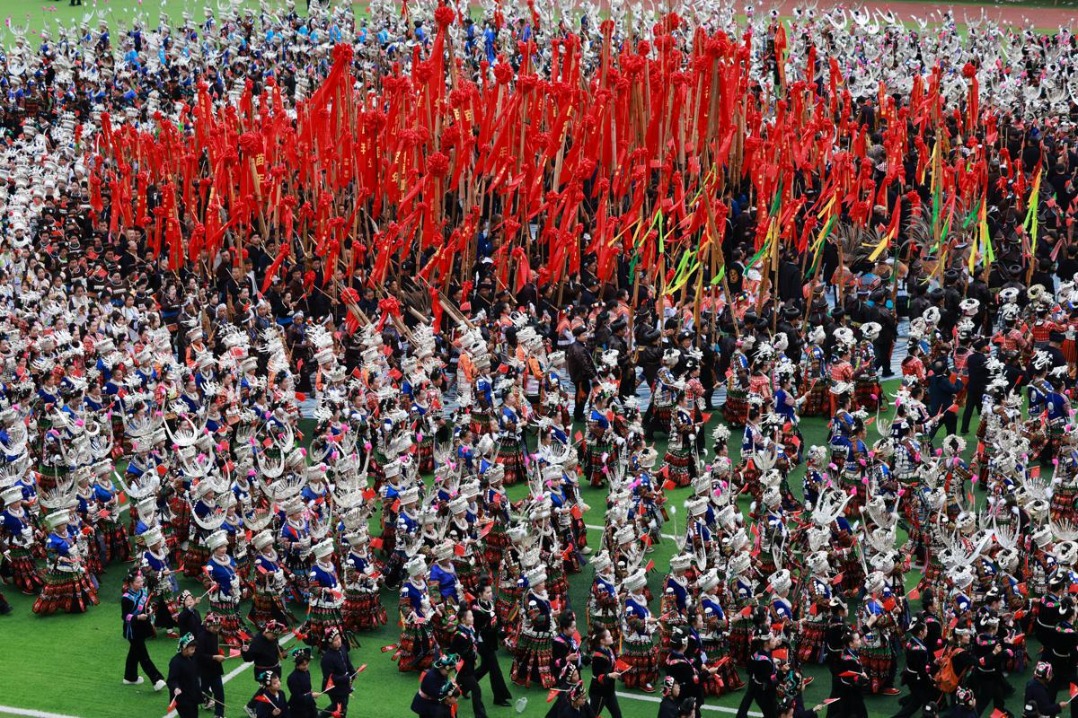
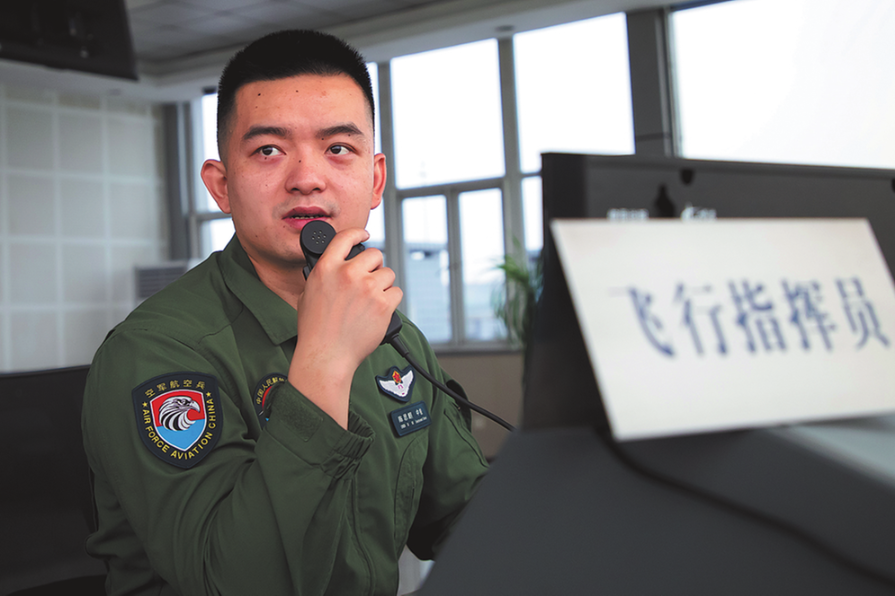
They are broadly representative, including workers, farmers, technical personnel, as well as Party and government officials, among others. Female deputies make up more than a quarter of the total. All of China's 55 ethnic minority groups are represented in the NPC.
There are also deputies elected from the Hong Kong and Macao special administrative regions, deputies representing Taiwan province, and deputies representing overseas Chinese who have returned to the motherland.
Election of NPC deputies
According to the electoral law, deputies to county- and township-level people's congresses are directly elected by voters, while deputies to people's congresses above the county level are elected by deputies at the next lower level.
NPC deputies are elected by people's congresses of provinces, autonomous regions and municipalities directly under the central government. The armed forces elect their own deputies.
The number of NPC deputies elected by the Hong Kong and Macao special administrative regions and the methods for their elections shall be prescribed separately by the NPC, according to the electoral law.
National legislators are elected by secret ballot, and candidates should outnumber deputy vacancies by 20 percent to 50 percent.
Duties of NPC deputies
The NPC and its Standing Committee exercise the legislative power of the state, the power to decide on major issues, the power to appoint and remove top-level officials, and the power of oversight.
Deputies at various levels are key channels for people's voices. They are entitled and obliged to stand for the people's interests and express their requests.
NPC deputies are actively engaged in state affairs. During the annual session, the NPC deputies review and vote on bills and documents of national importance like the report on the work of the government. As an important way for them to exercise their rights and perform their duties in accordance with the law, national legislators submit proposals and suggestions on a wide range of issues.
When not in session, they engage with the people, participate in inspections of law enforcement, and conduct research on important or urgent issues. Some of them are invited to attend regular sessions of the NPC Standing Committee in a non-voting capacity.