Traditional Chinese medicine can improve eldercare with fresh impetus









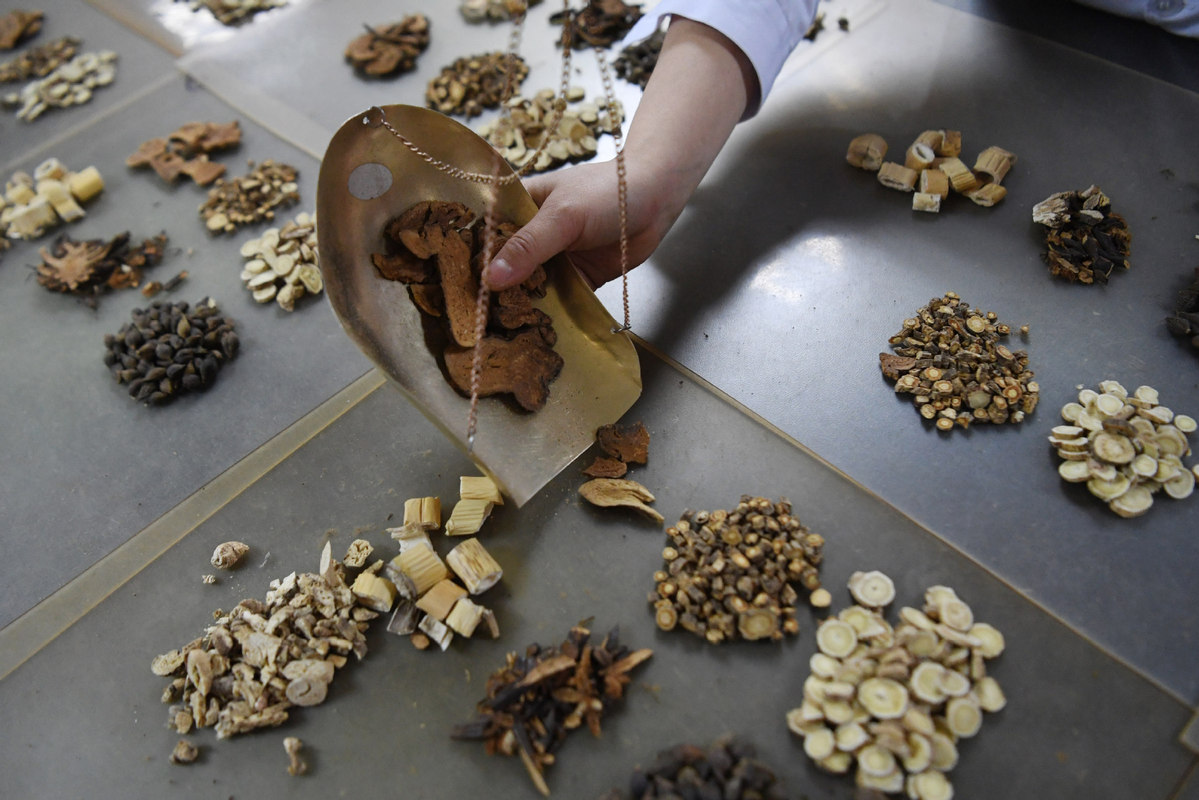
Since traditional Chinese medicine treats not only the secondary manifestations (biao) but also the primary causes (ben) of several chronic and acute conditions, it can provide health protection for elderly people.
TCM has many advantages in terms of methods, characteristics and applications, and they can be integrated in the medical services for the elderly. Given its holistic concept, TCM takes into consideration the physical, psychological and social environment of elderly people before formulating a comprehensive treatment plan, and doesn't focus only on a single disease while ignoring the overall health of the person receiving treatment.
TCM believes in "preventing disease before it occurs", preventing deterioration after a disease is diagnosed and preventing its recurrence after recovery. Its emphasis on prevention first is consistent with the need to focus on maintaining the health of elderly people and keeping them free of disease. TCM can also help the elderly improve their physical health, slow down their aging process and improve their quality of life.
TCM practitioners use diverse treatment methods to prescribe medicines for the elderly based on their physical health. As part of its holistic approach, TCM recommends that elderly people adjust their daily routine or lifestyle based on their circadian rhythm, live in a healthy environment and take enough rest. Many traditional exercises, according to TCM, can help regulate breathing, enhance the functions of organs, improve body flexibility, and reduce the mental stress of elderly people.
But despite the popularity of TCM and cultivation of young practitioners, many grassroots-level TCM hospitals face daunting challenges like shortage of finance and talented practitioners. The main reason why many grassroots-level hospitals, especially in western China, cannot attract or retain talents is the uneven development of the eastern and the western regions, and urban and rural areas.
True, the rural vitalization policy has increased economic growth and job opportunities in less-developed areas. But rural vitalization alone cannot improve grassroots-level hospitals, because primary medical institutions still receive limited funding from local governments.
Most of the TCM doctors working at the grassroots level are general practitioners who treat general diseases. They have fewer opportunities to improve their careers or conduct medical researches than their counterparts in large hospitals in big cities. As a result, the gap between them and their counterparts in city-based large hospitals widens with the passage of time.
Since many grassroots-level medical workers have to work in relatively harsh environments, they want their children to receive better education and lead a better life, perhaps in cities. Worse, some patients say grassroots-level medical practitioners are not knowledgeable or experienced enough to treat certain diseases, and tend to visit large hospitals in cities to get "proper" treatment, leading to a decline in the number of outpatient clinics at the grassroots level, and fewer opportunities for TCM practitioners to enhance their knowledge and gain experience, which affects their sense of achievement.
Therefore, efforts should be made to narrow the gap between urban and rural areas, as well as the eastern and western regions, and provide more funds for grassroots-level medical institutions and subsidies for TCM practitioners in rural areas. The salary structure, too, should be reformed and charges for TCM services raised.
There is also a need to set up special funds for grassroots-level TCM practitioners to enable them to continue their medical education and acquire higher degrees, and organize skills training and online learning programs so they can gain more knowledge, transform from general practitioners into specialists, and contribute to eldercare.
The author is director of the Traditional Chinese Medicine Institute of Kidney Diseases in the Ningxia Hui autonomous region, and a member of the 14th National Committee of the Chinese People's Political Consultative Conference. The views don't necessarily reflect those of China Daily.
If you have a specific expertise, or would like to share your thought about our stories, then send us your writings at opinion@chinadaily.com.cn, and comment@chinadaily.com.cn.