National Museum springs into season










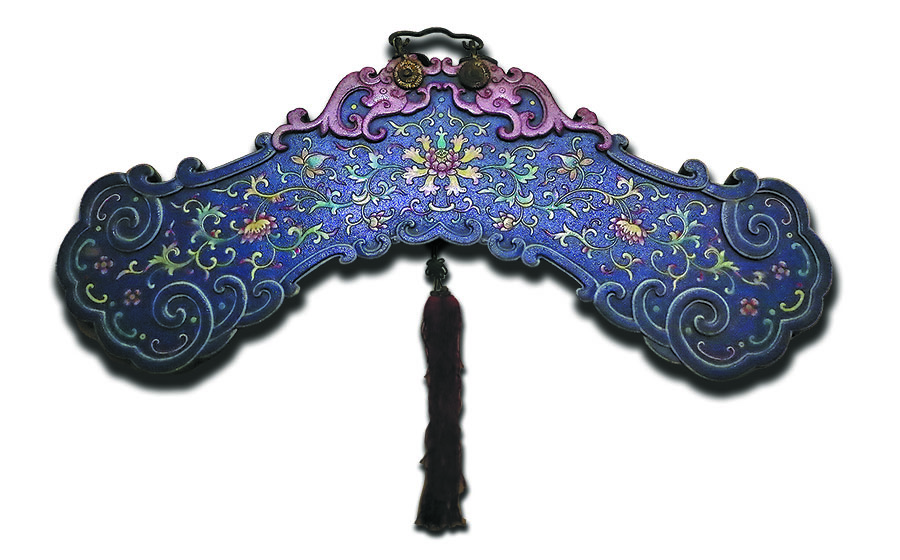
This year, the National Museum has about 200 objects on display, from archaic bronzes, jade, coins, and gold and silverware, to calligraphy, coins and ceramics.
Following a routine that highlights the exhibitions, each time a statue from a collection of 12 pottery zodiac animals in the uniform dress of an ancient man, is selected for the show.
According to Zhao Yuliang, a researcher at the museum, the pottery animals were unearthed in 1955 in a Tang Dynasty (618-907) tomb on the eastern outskirts of Xi'an, Shaanxi province. He says the rarity of the set is that it is complete. Standing between 38 and 43 centimeters in height, all 12 zodiac animals, colored in red and green, are dressed in long robes with wide sleeves that fall to the ground. Their forearms are raised to chest-level, and their hands are hidden in their sleeves.
Zhao says that scholars widely agree that the custom of burying the dead with zodiac-themed objects emerged in the Northern Dynasty of the Southern and Northern Dynasties (420-581) period, and that the practice became quite popular during the Tang Dynasty but dwindled after the Song Dynasty (960-1279).
He adds that zodiac figures were made in a seated position, standing, or with human bodies, and the higher social status the deceased enjoyed, the bigger the statues.
This year, the snake statue is being shown alongside the 11 other statues, a rare public appearance of the set in its entirety.
A striking owl-shaped zun vessel from the 3,000-year-old tomb of Fuhao is one of the star exhibits of the National Museum.
It is normally on display in the permanent Ancient China exhibition, but has been moved to the galleries where Embracing the Spring is taking place. This is because the feathers on each side of the owl are sculpted in the relief of a curling snake.
It was one of a pair of identical vessels found in a tomb in 1976 in Anyang, Henan province, which is believed to be the site of the capital of the Shang Dynasty (c. 16th century-11th century BC) during its later stages. The other vessel is in the collection of the Henan Museum in Zhengzhou.
The vessel's intricacy and solemnity suggests the privileged status of the defunct — Fuhao is believed to have been the wife of Shang Dynasty king Wuding, who was active in state affairs and a daring general in war.
Zhuge Yingliang, the exhibition's curator, says blossoms are one of the exhibition's themes and are a motif visible on dozens of the objects on show, where they are juxtaposed alongside floral displays to accentuate the vibrancy of spring.