Raise incomes to boost consumption









China's GDP grew by 5 percent in 2024. On the surface, this figure seems appropriate, meeting the growth target set by the Chinese government. But most economists agree that the Chinese economy is facing some challenges, including plunging real estate sales and a lack of expected growth in domestic demand.
It is estimated that 2.2 percentage points of the 5 percent growth was contributed by final consumption, 1.3 percentage points by capital formation, and the remainder by net exports of goods and services. This means that without the contribution of net exports, the GDP growth rate would have been only 3.5 percent.
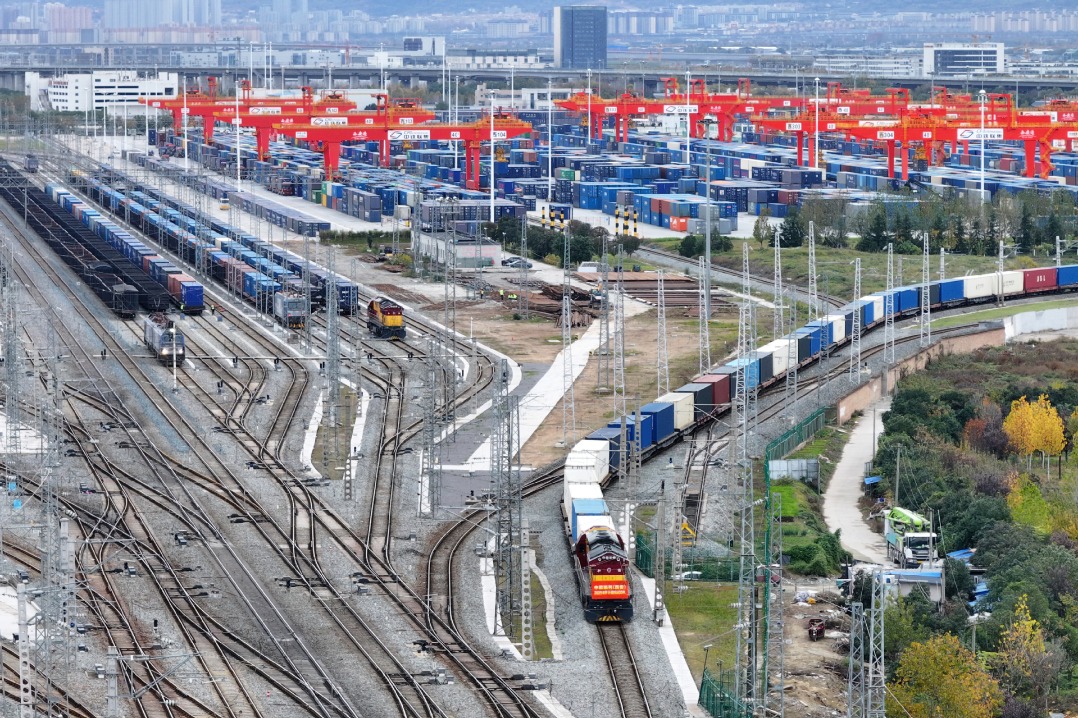
China's trade surplus in 2024 reached an unprecedented $992 billion, triggering protectionist responses from the United States and the European Union. Hindered by high tariffs, China's exports are likely to divert to other regions, leading to potentially more trade frictions with other countries. To maintain healthy relations with its trade partners, it is imperative that China further boost domestic demand.
This point has been emphasized in several policy documents, including the communique issued by the Central Economic Work Conference in December 2024. Indeed, several policy initiatives to boost domestic demand were implemented in 2024.
The stimulus packages introduced that year were heavily focused on boosting investments. Of the 1 trillion yuan ($138.26 billion) raised through the issuance of super long-term government bonds, 85 percent was allocated to major national projects and equipment upgrading.
Additionally, 3.9 trillion yuan raised through specialized bonds was invested in infrastructure and manufacturing.
More direct measures need to be taken to boost domestic consumption. For instance, 15 percent of the funds raised through super long-term bonds were used to subsidize the renewal of cars and household appliances. However, this policy primarily benefits households that already own such items.
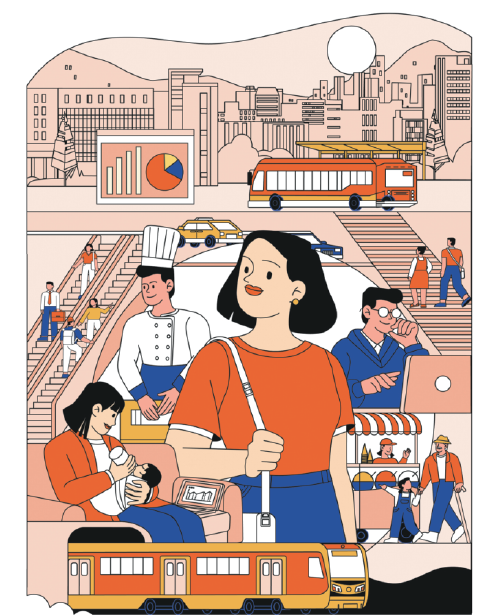
To sustain equitable economic development, China needs policies that increase the income and consumption capacity of its relatively low-income population. A key target group should be migrant workers from rural areas who live and work in cities. Although they outnumber urban native workers, they are largely excluded from the program to improve living conditions in urban areas.
Most of them live in low-cost housing, such as company dormitories, temporary shelters or so-called urban villages.
While millions of apartments remain unsold or unfinished in cities, hundreds of millions of migrant workers lack access to decent housing.
Even with falling apartment prices, homeownership remains out of reach for most migrant workers. If their unmet demand for housing were addressed, the current stagnation in real estate sales could be reversed, revitalizing the real estate market for at least another decade. Stable housing would also encourage migrant workers to purchase more durable consumer goods.
To unlock the potential demand for housing among migrant workers, the first step would be to grant them permanent resident status in the cities where they live and work. Without stable residency and employment, they are unlikely to take on mortgages to buy apartments.
Also, the supply of affordable housing for migrant workers should be increased, with local governments playing a leading role in providing low-cost housing for them. Fully integrating migrant workers into the urban social insurance system would encourage them to purchase permanent housing and settle in cities.
The Chinese government could also consider introducing child benefits — payments distributed to parents and guardians of children. Such programs have been implemented in many countries, including Japan. And given China's declining total fertility rate, which has dropped close to around 1.0 in recent years, this is the right time to implement such policies, for they encourage childbearing.
A well-designed child benefit program could help address two major challenges China faces: the insufficient domestic demand and the declining fertility rate.
The author is a professor at the Institute of Social Science, the University of Tokyo.
The views don't necessarily reflect those of China Daily.