Under the blossoms, a village blooms
Once facing rural decline, Xinghua village in Hubei province now thrives through agritourism, e-commerce, and community-driven ecological reform.










To tackle these challenges, Wei and local leaders trained village committee members in short video production and livestreaming to boost digital engagement. He also worked with online influencers to scale up sales, which resulted in larger order volumes and enabled him to negotiate lower shipping and packaging costs with logistics providers.
Wei also created a year-round sales model in collaboration with local farmers: fresh apricots in summer, dried fruit snacks in autumn, and special themed products during festival seasons. However, marketing efforts began as early as the flowering stage each spring.
"By making videos of the flowers, we're showing potential customers the natural growth cycle of our products, creating a connection," he explained. "We managed to turn the blooming period into a story."
While entrepreneurs like Wei are driving e-commerce initiatives, the local government has also introduced supportive measures.
According to Zhang Xingxing, the 36-year-old deputy secretary of the village Party branch, one important step was transforming unused village homes and forest areas into shared assets for a homestay program.
This has generated new revenue streams, allowing the village to improve public facilities, such as modern restrooms, parking areas, and upgraded hiking paths — greatly enhancing the overall visitor experience.
Collaborative efforts
The village is also working to attract more tourists by offering creative, hands-on activities.
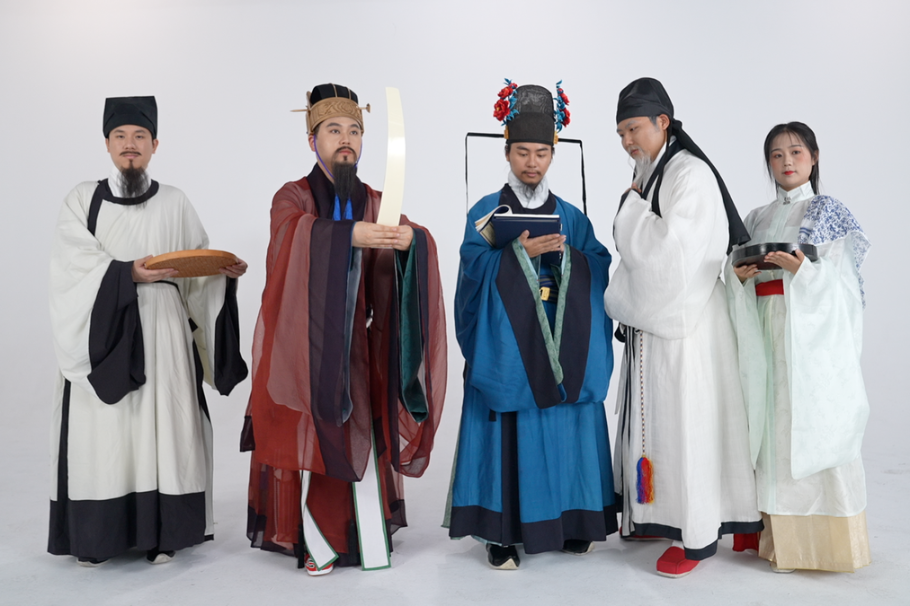
For example, this year's festival — now in its ninth year — went beyond traditional flower-viewing: visitors could hike a 3-kilometer floral trail, dress in hanfu (traditional Chinese attire) for photo shoots, craft lacquer fans, take part in outdoor tea ceremonies, and enjoy folk performances.
"Making my own spring-themed lacquer fan with vibrant blue, green, and pink dyes was a highlight — it's a one-of-a-kind souvenir," said Chen. "I also joined the parade in hanfu and had beautiful photos taken. It was a truly immersive experience."
While prioritizing economic development, the village also made a strong commitment to ecological preservation. However, villagers were initially hesitant, especially when it came to sewage management reforms.
"Public participation was limited, and many villagers were wary of change," Zhang admitted. "The traditional governance model made it difficult to mobilize the community's enthusiasm."
To bridge these gaps, the village introduced a point-based rewards system that encourages residents to keep streets and public spaces clean. Weekly town hall meetings and volunteer patrols also provided new opportunities for dialogue, gradually turning skeptics into active participants.
One particularly creative solution to river pollution — caused by traditional laundry and vegetable washing practices — was to build decentralized washing stations and sewage treatment facilities.
This approach protects the Danjiangkou Reservoir while also respecting local customs, striking a thoughtful balance between tradition and sustainability.
The village's efforts have paid off. It has achieved zero direct sewage discharge and received national recognition as a model for "community co-governance, resource symbiosis, and shared benefits".
Looking ahead, Zhang said the village plans to deepen the integration of ecological protection with agritourism. Over the next five years, it aims to turn more than 800 million yuan worth of ecological assets into economic value, increasing the village's collective income by over 1 million yuan.
For tourists like Chen, Xinghua village offers more than just a scenic escape — it's a glimpse into rural revitalization in action.
"This trip made me see the immense potential of rural development," she said. "In the future, I hope to not just visit as a tourist, but to take part in it."