China equipped to deal with radioactive waste









China has ample storage facilities for both low-level and high-level radioactive waste from nuclear power generation and is pushing ahead with research into deep geological disposal for the latter, a senior official said on Wednesday.
Liu Lu, director-general of radiation source safety supervision at the Ministry of Ecology and Environment, made the remarks at a news conference.
More than 90 percent of the waste generated at nuclear power plants across the country is classified as low-level radioactive waste. Under strict supervision, a 1-million-kilowatt nuclear power unit typically generates no more than 50 cubic meters of such waste a year, Liu said.
She noted that it is standard practice for nuclear power plants to temporarily store low-level radioactive waste before transporting it to specialized facilities for centralized disposal. Before 2022, however, China did not have any dedicated facilities for this type of waste.
That changed in July 2022, when the Longhe disposal site — the country's first for nuclear power-generated waste-began operations.
"With a planned capacity of 1 million cubic meters, the site can meet the disposal needs of radioactive solid waste generated by about 100 nuclear power units in China over a century of operation," Liu said.
As most of China's nuclear power units are relatively new, the country currently has adequate capacity to manage the limited amount of high-level radioactive waste they have produced, she said.
Most of that waste consists of spent fuel, Liu said. After being removed from reactor cores, the spent fuel is first cooled in storage pools for several years before being transferred to dry storage facilities designed for long-term containment.
As spent fuel still contains usable materials, it will only be sent to a deep geological disposal site for permanent storage after those materials are extracted, she said.
With an average operational age of less than 10 years, China's nuclear power facilities have yet to produce large amounts of high-level waste. While each unit is equipped with a spent fuel pool, some nuclear power bases also have more than one dry storage facility, Liu said.
"Therefore, the current storage needs for spent fuel generated by nuclear power plants in our country can be met," she said.
Nonetheless, China is advancing research on deep geological disposal for high-level waste, Liu added. The research has now reached the construction phase of underground laboratories, she said.
Liu emphasized that the management of high-level radioactive waste in China follows strict standards throughout its life cycle — from generation to disposal — with comprehensive oversight by the ministry.
"Even after disposal facilities are closed, safety supervision will continue to ensure the long-term safety of high-level radioactive waste. We are committed to not passing on burdens to our future generations," she said.
houliqiang@chinadaily.com.cn

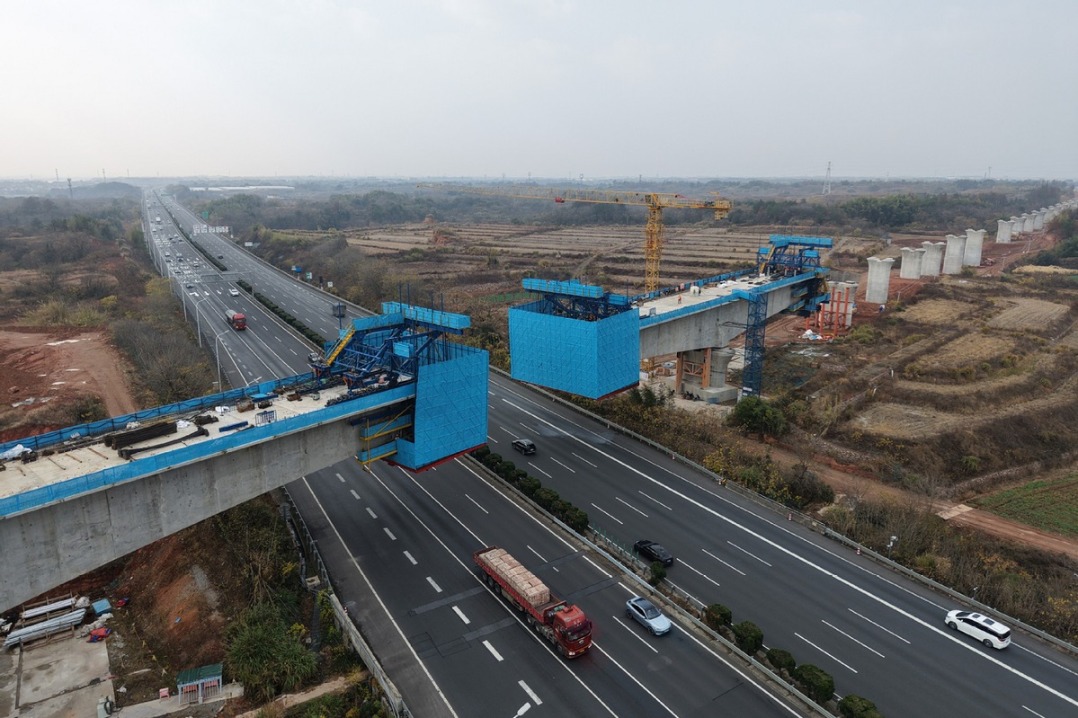
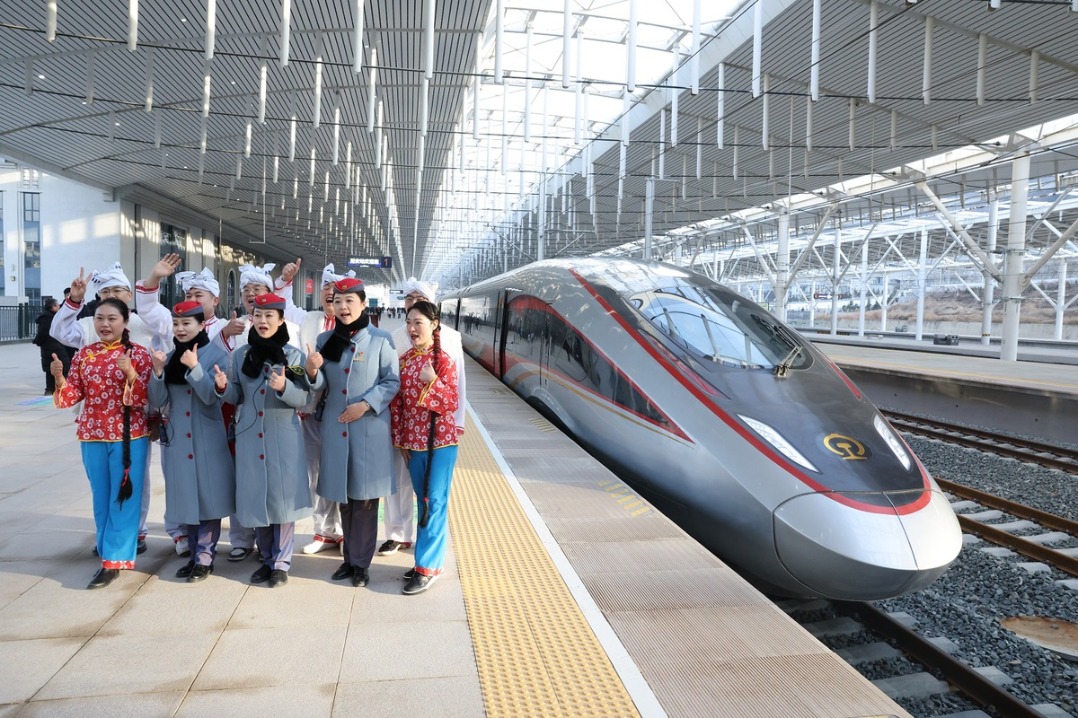
- Nantong-Ningbo high-speed railway reaches a new milestone
- First-ever footage of wild Amur tigress taking care of five cubs caught on camera
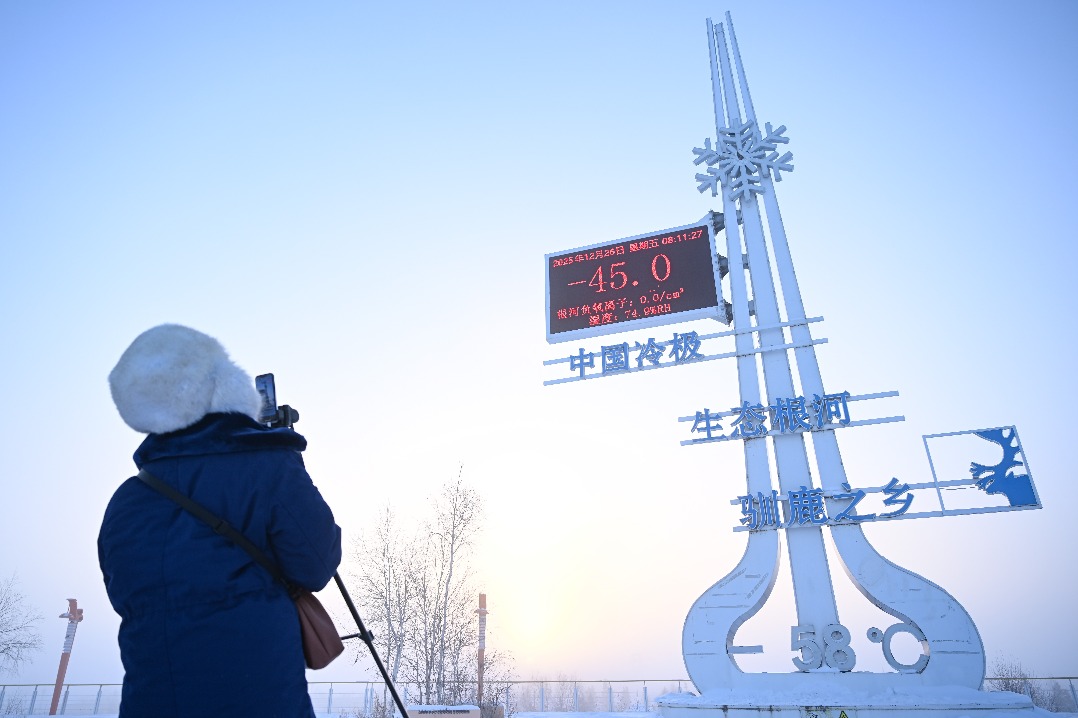
- China's Genhe city witnesses extremely cold weather
- Beijing courts handled 15,000 patent cases involving bottleneck technologies
- Beijing gives big boost to IP protection over the past five years
- Man sentenced to death for killing his children