New Xinjiang museum traces regional governance









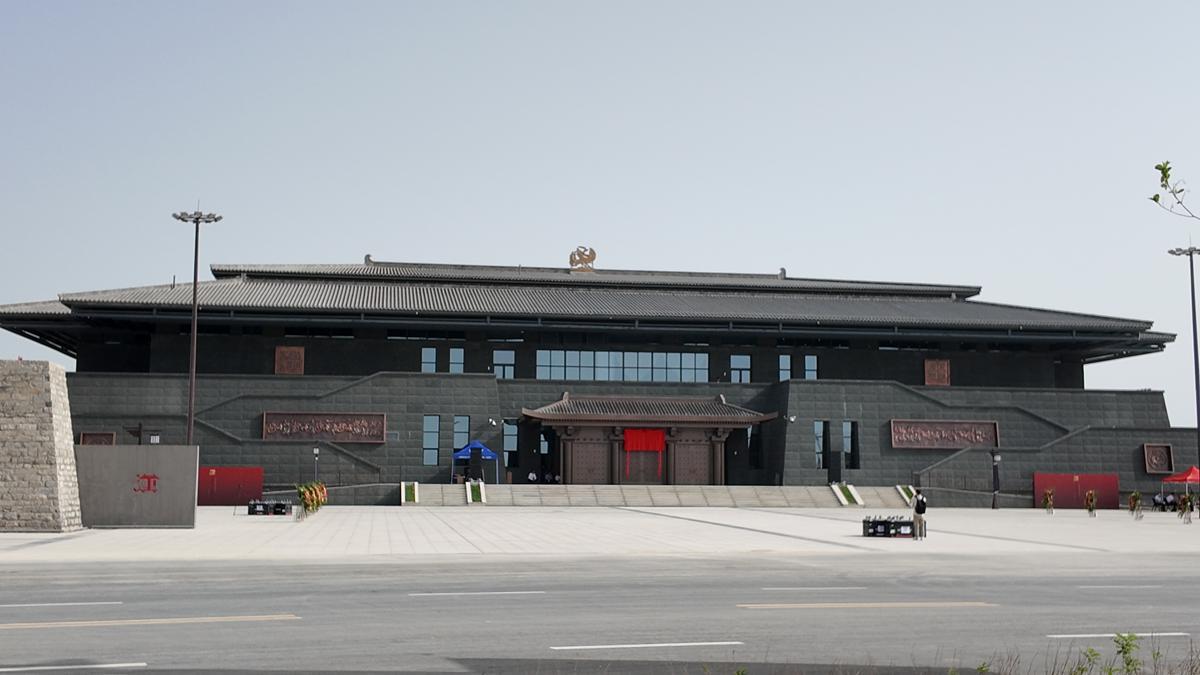
The Museum of the Western Regions Frontier Command officially opened on Sunday, International Museum Day, in Luntai county, Xinjiang's Bayingolin Mongolian autonomous prefecture, marking a major cultural milestone for the region.
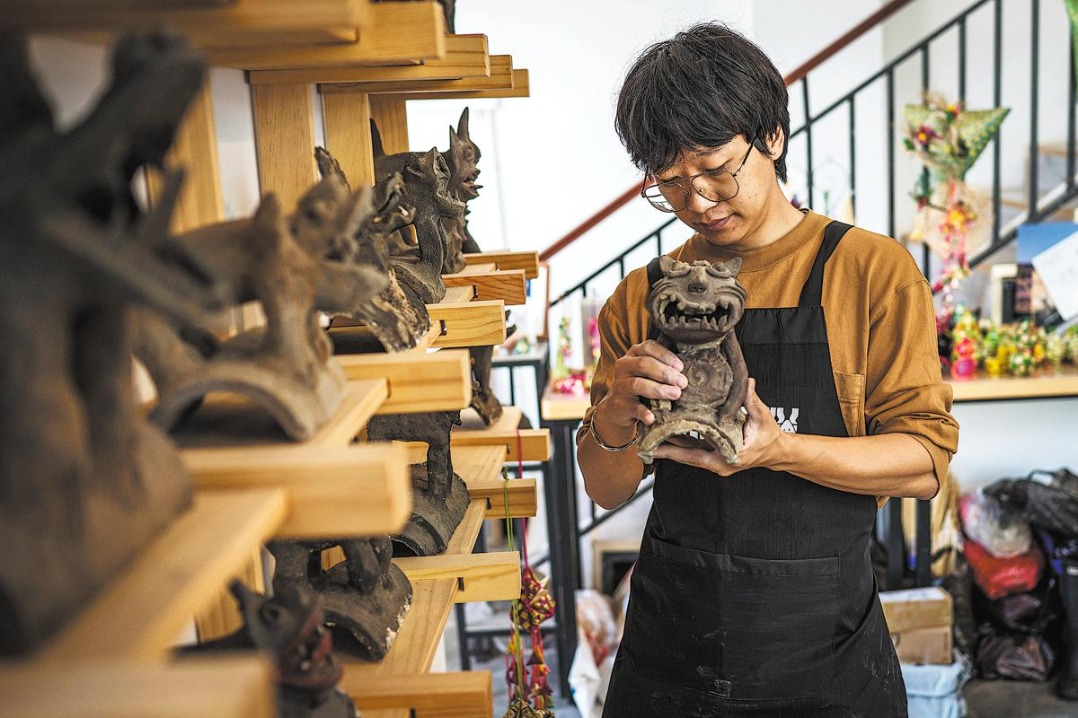
The museum features 463 sets of artifacts, primarily unearthed from archaeological sites, most notably the ancient city of Zhuo'erkut.
Covering a period beginning with the Han Dynasty (206 BC-AD 220), and moving through the Tang (618-907) and later Qing (1644-1911) dynasties, the collection offers a vivid account of governance, economic growth, and cultural exchange in China's western region.
The museum integrates immersive exhibition techniques, such as dioramas and multimedia presentations, to bring the historical contexts of the relics to life.
Recent archaeological studies suggest the Zhuo'erkut site dates back to the Warring States Period (475-221 BC) and gained prominence during the Han (206 BC-AD 220) and Jin (265-420) dynasties.
Researchers believe it may be the location of Wulei, the administrative seat of the Western Regions Frontier Command, established by the Western Han government in 60 BC as the first formal central authority in Xinjiang.
"The establishment of the Western Regions Frontier Command marked the beginning of effective central governance in Xinjiang," said Chen Ling, professor at the School of Archaeology and Museology at Peking University. "It laid the groundwork for lasting administration and affirmed the region's identity as part of the Chinese nation."
Chen Ying, director of the Bayingolin cultural heritage bureau, emphasized the museum's broader historical significance.
"This museum provides clear evidence that Xinjiang has been an inseparable part of China since ancient times, and reflects the region's enduring tradition of cultural integration," he said.
The museum also highlights Xinjiang's role as a pivotal hub along the ancient Silk Road, celebrating the spirit of openness, inclusiveness, and mutual enrichment that has long connected Eurasian civilizations.

- China reviews report on application of sci-tech achievements
- Micro-dramas directed to tackle sports
- Hong Kong's Southbound Travel for Guangdong Vehicles scheme officially implemented
- Park for innovation cooperation zone launched in Hong Kong
- China's top legislature convenes standing committee session
- China plans to play a bigger role in Antarctic governance