


Chinese cinema goes global: a new chapter at Cannes









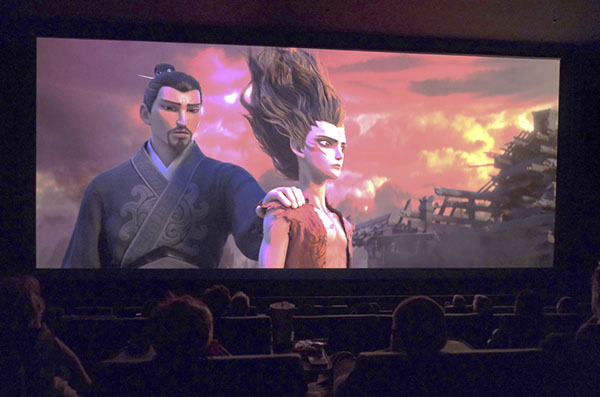
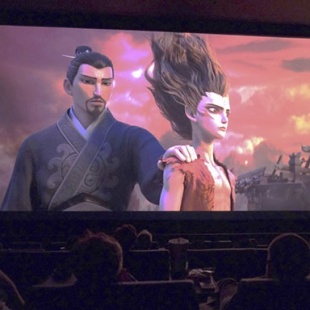
In recent years, Chinese films and TV shows have been making a significant impact globally. Ne Zha 2 emerged as a blockbuster, setting a record for the widest North American release of a Chinese-language film, premiering in 945 theaters. Disney acquired the rights to the second season of Joy of Life before its release, while Blossoms Shanghai and The Legend of Shen Li also gained international acclaim through streaming platforms.
These varied success stories underscore the richness of Chinese storytelling and its strong appeal in the modern era.
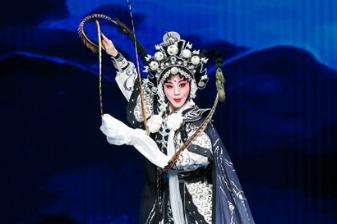
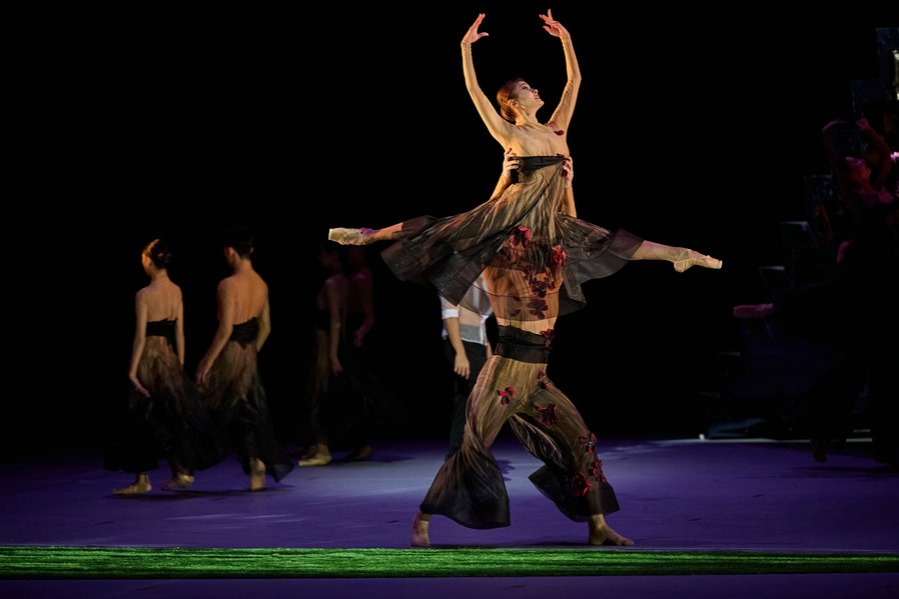
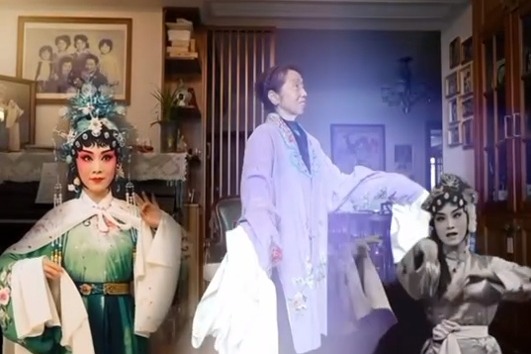
On May 15, the spotlight turned to Chinese cinema at the 78th Cannes Film Festival during the "China Night" event.
With the launch of the "China Film+" initiative, Chinese films are now stepping onto the global stage with a new purpose — to spark cultural dialogue and connect emotionally with audiences worldwide.
This moment marks more than a showcase of cinematic talent. It's a signal that Chinese storytelling is evolving — moving from a one-way cultural export to a two-way conversation between East and West.
By embedding Chinese stories into the international film scene, events like "China Night" highlight both the strength and the shift in China's film and television industry. What once centered on showcasing tradition now expands into deeper, more layered storytelling — stories that invite others into a richer dialogue.
This is about more than just aesthetics. Chinese cinema now carries the weight of 5,000 years of culture while also adapting creatively to modern, global audiences.
Chinese films often draw on a deep well of cultural heritage — from calligraphy and classical gardens to traditional medicine and martial arts. These symbols give Chinese works a unique visual and spiritual identity.
At the same time, contemporary themes like urbanization, technological innovation, rural revitalization, and poverty alleviation bring modern China to life on screen. It's this combination of the ancient and the new that makes Chinese stories compelling abroad.
Still, sharing Chinese stories with the world has its challenges. Cultural nuances — like historical references or social issues such as the traditional preference for sons — don't always translate easily without context. They risk being misunderstood if presented too simply.
Narrative styles can also differ. Western audiences often expect fast-paced plots and individual heroes. In contrast, Chinese stories may move more slowly, focusing on group dynamics and metaphors.
To succeed globally, Chinese filmmakers must do more than share unique cultural elements — they must craft stories that resonate emotionally and universally.
Fortunately, a new wave of Chinese creators is rising to the challenge. These filmmakers are telling local stories through an international lens. They stay true to Chinese cultural identity while embracing global perspectives and values.
Their goal isn't to conform or to cling to the past, but to strike a balance — rooted in Chinese culture, yet open, inclusive, and empathetic. Through this approach, they present a China that is real, diverse, and dynamic.
"China Night" at Cannes wasn't just a celebration — it was a declaration. Chinese film and television are ready to go further.
By strengthening global promotion, increasing visibility, and building emotional connections with international audiences, Chinese stories can find lasting homes around the world — not just on screens, but in hearts and minds.
Written by Sun Yixue, dean of the International School at Tongji University in Shanghai. His research focuses on comparative literature, world literature, and the international dissemination of Chinese culture. He has conducted postdoctoral research at the University of Edinburgh in the UK and has been a senior visiting scholar at the University of Virginia and Arizona State University in the US.