Time to introspect









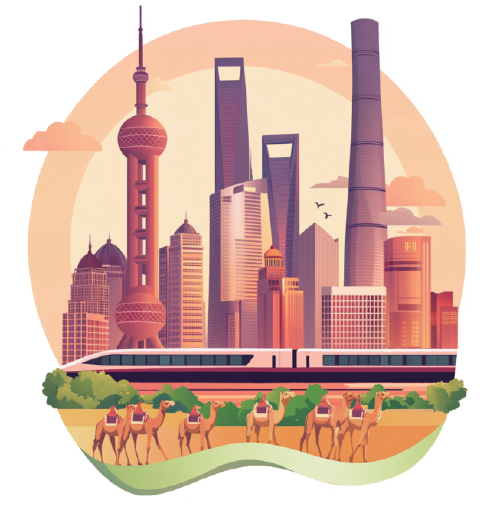
The rise of the Global South and Eurasia, and China and Russia's ability to maintain regional stability attest to the SCO's increasing relevance
The year 2025 marks a significant chapter in the history of the Shanghai Cooperation Organization, as China leads a year-long initiative under the theme "Upholding the Shanghai Spirit: SCO on the Move". Over the course of this year, China is hosting more than 100 events across a wide range of sectors — from culture and education to technology and security. These events are a testament to the growing prominence of the SCO as a global platform for dialogue, cooperation and regional stability.
The year will culminate with the SCO summit to be held in the vibrant and historic city of Tianjin this autumn — a symbolic and strategic choice that underscores China's central role in the organization's evolution.
Since its inception in Shanghai in 2001, the SCO has evolved to become the world's largest regional organization in terms of both geographic reach and population. With 10 full members, two observer states, and 14 dialogue partners, the SCO connects a vast region stretching from Eastern Europe to East Asia, encompassing nearly half of the world's population. This scale of engagement and cooperation is a remarkable achievement that remains underappreciated in many parts of the world. It reflects a deep commitment among its members to pursue a form of multilateralism rooted in mutual respect, sovereignty, and non-interference.
What makes this achievement particularly notable is the pivotal role played by China, whose commitment to a new vision of international relations has helped to solidify the organization. China's foreign policy in the context of the SCO has emphasized stability, development, and strategic dialogue over dominance or zero-sum competition. This approach, closely tied to the Shanghai Spirit, which emphasizes mutual trust, mutual benefit, equality, consultation, respect for cultural diversity, and the pursuit of common development, has enabled the SCO to become a cohesive and increasingly influential actor in global affairs.
Several key features of the SCO merit deeper reflection, particularly in light of today's evolving geopolitical landscape.
First and foremost, the SCO is an outcome of a non-Western initiative. Its formation and growth have largely taken place outside the traditional structures of Western-led alliances and institutions. None of its 10 full members or numerous dialogue partners hail from the West, which makes the SCO a rare example of successful multilateralism spearheaded entirely by nations of the Global South. This is a powerful indicator of the shifting balance in international relations. The Global South is no longer merely reacting to frameworks developed elsewhere — it is now shaping its own institutions and narratives. In that sense, the SCO is both a symbol and an engine of the emerging multipolar world.
Second, China and Russia remain at the core of the SCO's structure and direction. Both countries were founding members and have since played central roles in maintaining the organization's coherence and strategic vision. At its origin, the SCO was conceived partly as a mechanism to promote stability in Central Asia — a region left geopolitically vulnerable following the disintegration of the Soviet Union. The security vacuum created by that collapse gave rise to various threats, from separatist movements to extremist ideologies and terrorist networks. The SCO responded by establishing the Regional Anti-Terrorist Structure, headquartered in Tashkent, Uzbekistan. RATS remains a permanent organ of the SCO, coordinating intelligence sharing, joint drills and anti-terrorist efforts across member states. This underscores the SCO's unique role as a security provider in a region often overlooked by Western strategic priorities.
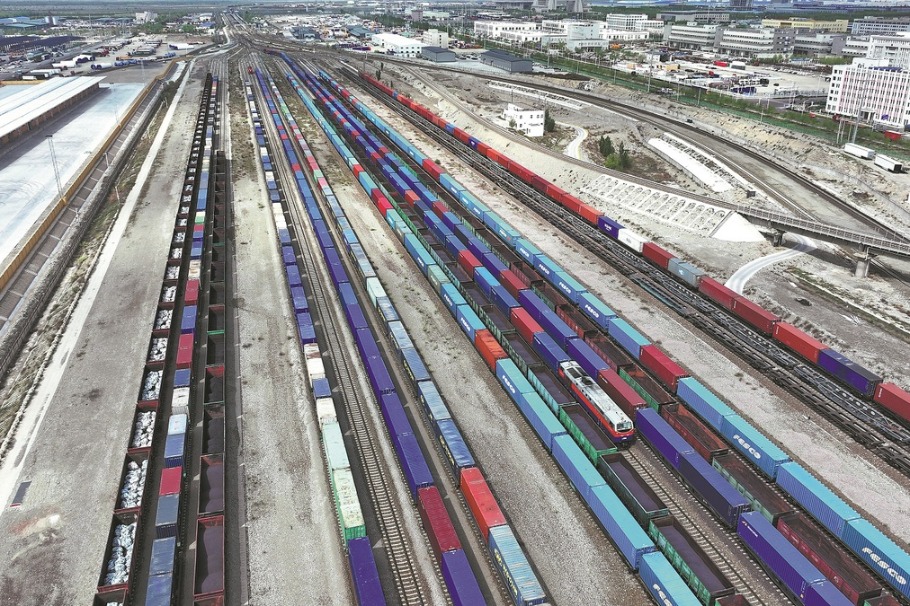
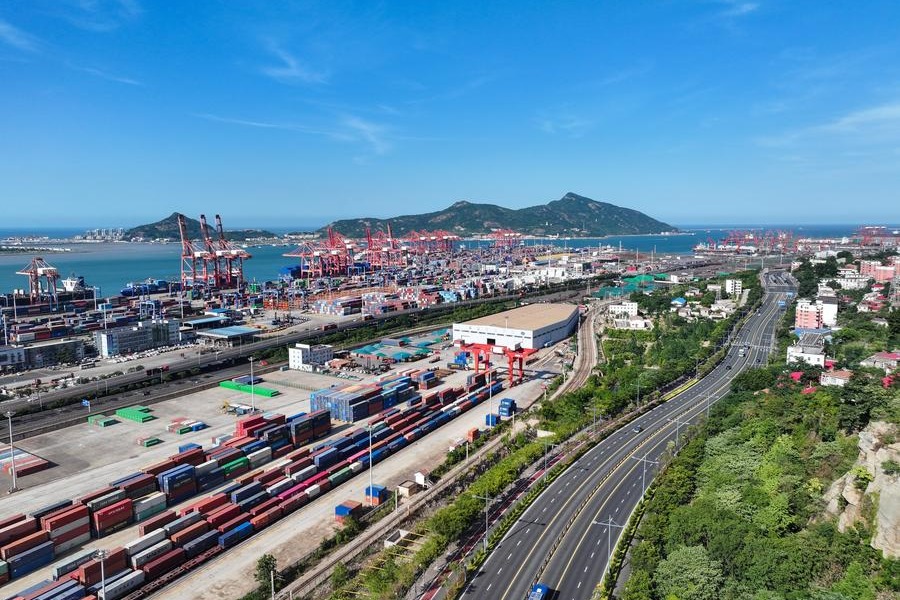
Third, the SCO is deeply rooted in Eurasian geography and identity. It reflects and reinforces the continuity of Eurasia as a geopolitical and cultural space. For China, this is particularly significant. The country's Xinjiang Uygur autonomous region lies at the heart of Eurasia, and through its western frontier, China connects with Central Asia and beyond. The Belt and Road Initiative, launched in 2013, has in many ways been built upon the foundations laid by the SCO. Infrastructure projects, trade corridors, and people-to-people exchanges under the BRI benefit from the multilateral trust and institutional cooperation fostered by the SCO over the past two decades. The SCO, therefore, not only stabilizes the region but also facilitates the logistical and political environment necessary for grand transcontinental visions such as the BRI to take root.
As the world becomes increasingly multipolar, organizations such as the SCO offer a compelling model for regional cooperation that transcends traditional alliances. While the European Union has long represented one model of integration, it now faces the challenge — and the opportunity — of engaging with new actors and formats. The Association of Southeast Asian Nations has already begun to explore such interactions with the SCO, recognizing the potential for shared interests in connectivity, trade and security. The EU would be wise to follow suit. Rather than viewing the SCO through the lens of competition, Brussels could explore areas of synergy: from counter-terrorism to green development, and from digital infrastructure to educational exchanges.
Engaging with the SCO would also help the EU navigate the broader transformation in global governance. As Western-centric institutions struggle to adapt to new realities, platforms such as the SCO offer alternative paradigms — ones that may not always align with Western norms, but that are no less legitimate or effective. In fact, the SCO's emphasis on sovereignty and equality among nations could complement the EU's own calls for strategic autonomy and diversified partnerships. Dialogue, not disengagement, will be key.
The SCO's China Year represents far more than a calendar of events; it is a moment of reflection on the organization's journey and future direction. From its beginnings as a modest regional forum to its current role as a major geopolitical player, the SCO exemplifies what sustained cooperation among diverse nations can achieve. Its evolution speaks to the rising agency of the Global South, the enduring relevance of Eurasia, and the pragmatic leadership of China and Russia in maintaining regional stability. As the global order continues to shift, the SCO will undoubtedly remain a cornerstone of the emerging international landscape — and it deserves the attention, respect and engagement of partners across the world.
The author is a specialist in global affairs and sinology and founder of the China-Europe-America Global Initiative. The author contributed this article to China Watch, a think tank powered by China Daily. The views do not necessarily reflect those of China Daily.
Contact the editor at editor@chinawatch.cn.