Tariff not fulcrum on which to lever US economy to move world










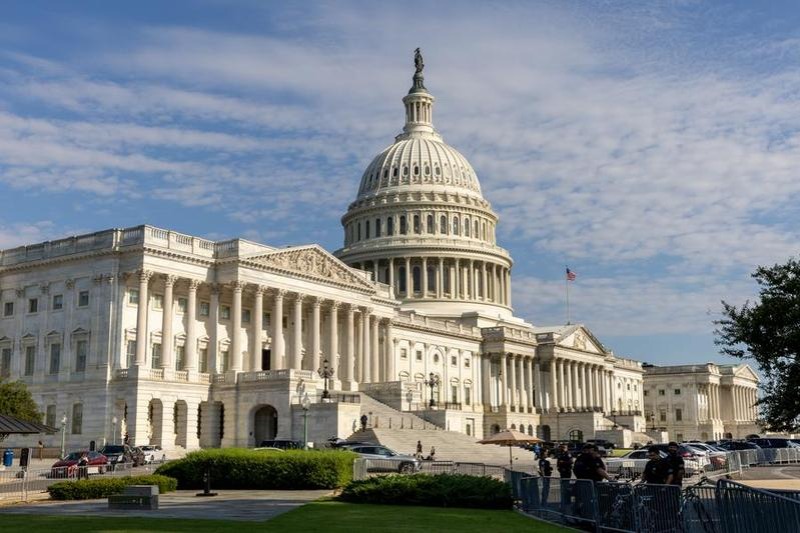
In an unexpected yet familiar move, United States President Donald Trump has once again brought tariffs to the center stage of global economic discourse. In letters sent to the governments of 14 countries on Monday, he made it clear that the new tariff rates will apply from Aug 1.
The Republic of Korea, Japan, Malaysia, Kazakhstan, South Africa, Myanmar, Laos, Tunisia, Indonesia, Bangladesh, Serbia, Bosnia and Herzegovina, Cambodia and Thailand have been made to understand that the existing tariff rates are "far less than what is needed to eliminate the Trade Deficit disparity we have with your Country". He also warned that if these countries raise their tariffs in response, the US will increase its tariffs by the same amount.
Later, on Monday afternoon, Trump signed an executive order extending the tariff deadline from July 9 to Aug 1.
This development has sparked concern across a world still recovering from past trade tensions and supply chain disruptions. China has, more than once, made its position on US tariff hikes clear, saying trade and tariff wars have no winners, and protectionism leads nowhere.
Indeed, history offers little evidence to suggest that the weaponization of tariffs leads to sustainable economic benefits. During Trump's previous term, sweeping tariffs on a wide range of goods triggered tit-for-tat measures from key trading partners, disrupted global supply chains, and burdened businesses and consumers alike with higher costs. Far from reducing the US trade deficit, those policies often simply redirected trade flows rather than rebalancing them.
This time, the scope of the proposed action is even broader, targeting allies and emerging economies alike. Such actions risk not only economic retaliation but also the erosion of trust in the rules-based multilateral trading system.
Moreover, the timing of these renewed threats is especially troubling. With the global economic recovery still fragile, businesses and consumers around the world need stability not volatility. The threat of arbitrary tariffs undermines predictability and investor confidence, both of which are essential for healthy and long-term economic growth.
China has consistently advocated for a fair, open and inclusive international trade environment. As the world's second-largest economy and a staunch supporter of the multilateral trading system, China remains committed to resolving disputes through dialogue and institutional mechanisms such as the World Trade Organization. This approach not only aligns with international norms but also serves the interests of all parties involved.
China opposes any country making trade deals with the US at the expense of Chinese interests in exchange for so-called tariff relief. China's Ministry of Commerce said recently that this is "a typical act of unilateral bullying that seriously undermines the multilateral trading system and disrupts the normal international trade order".
It is also worth noting that modern global trade is deeply interconnected. Attempts to enforce "reciprocity" through punitive tariffs overlook the complexity of value chains, where components of a single product may cross multiple borders before reaching consumers. Imposing tariffs at any stage of this process inevitably leads to inefficiencies, higher costs and missed opportunities for collaboration.
Moving forward, what the international community needs is not economic coercion, but renewed efforts to enhance cooperation, reform global trade governance where necessary, and ensure that all countries, big or small, developed or developing, can share in the benefits of globalization. Constructive engagement, not confrontation, is the pathway to inclusive and sustainable growth.
As the Aug 1 deadline approaches, it is hoped that cooler heads will prevail and that dialogue, not duress, will guide the next phase of global economic relations. Trade should be a bridge, not a barrier. The world deserves a future where mutual benefit, not mutual suspicion, defines how nations interact.