Tariffs fuel uncertainty in Africa's export prospects









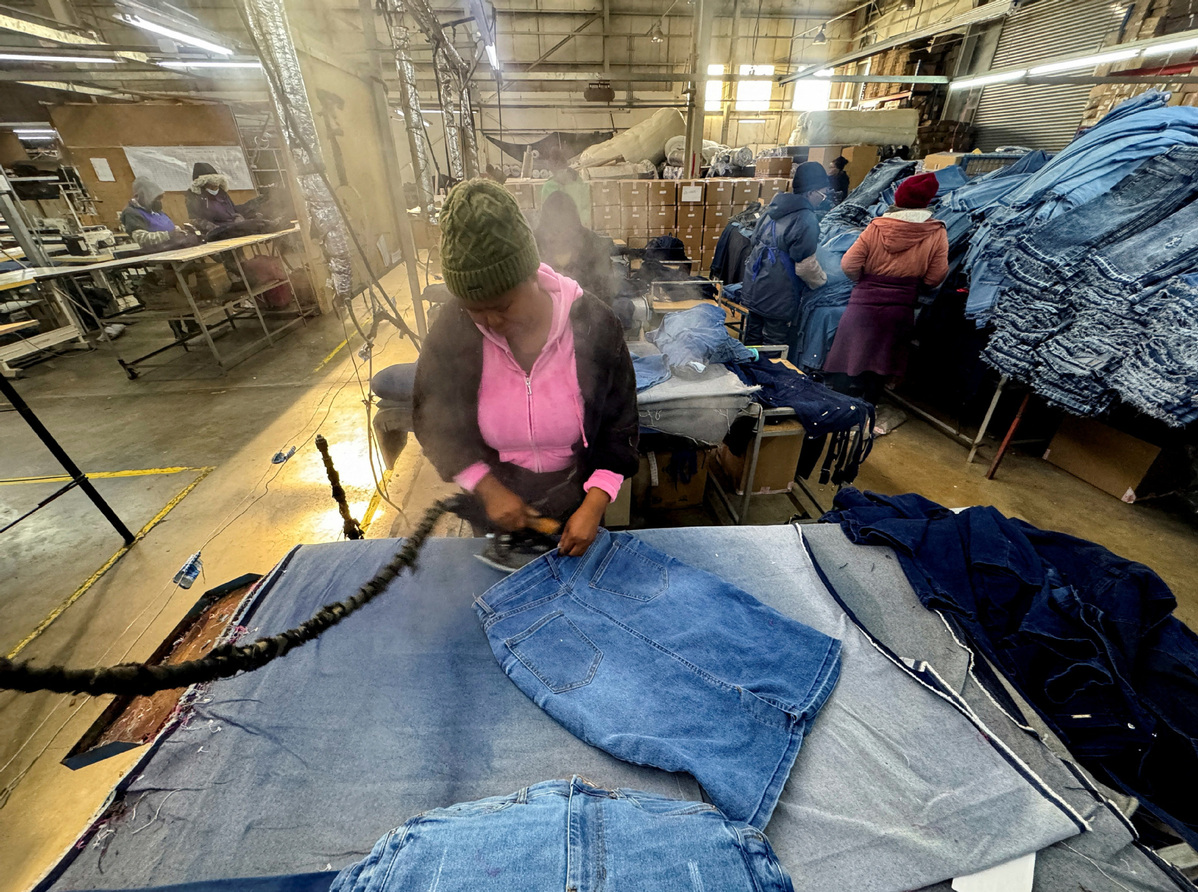
A fresh wave of uncertainty is sweeping across African export sectors after United States President Donald Trump announced plans to impose an additional 10 percent tariff on countries aligning with the BRICS bloc, a move experts warn could derail hard-won trade gains, threaten tens of thousands of jobs, and accelerate Africa's economic pivot away from Western markets.
Experts said the proposed additional tariffs are sending ripples through Africa's trade and policy circles, raising concerns over the future of the US-Africa trade relationship and accelerating the continent's shift toward diversified economic partnerships.
They said such a policy, if enacted, would deal a significant blow to African economies that have long benefited from US trade preferences such as the African Growth and Opportunity Act, or AGOA.
"Additional tariffs block access to markets, which will translate to loss of jobs, and economic contraction to countries that had relied on US markets," said James Shikwati, director of the Inter Region Economic Network, a think tank in Nairobi.
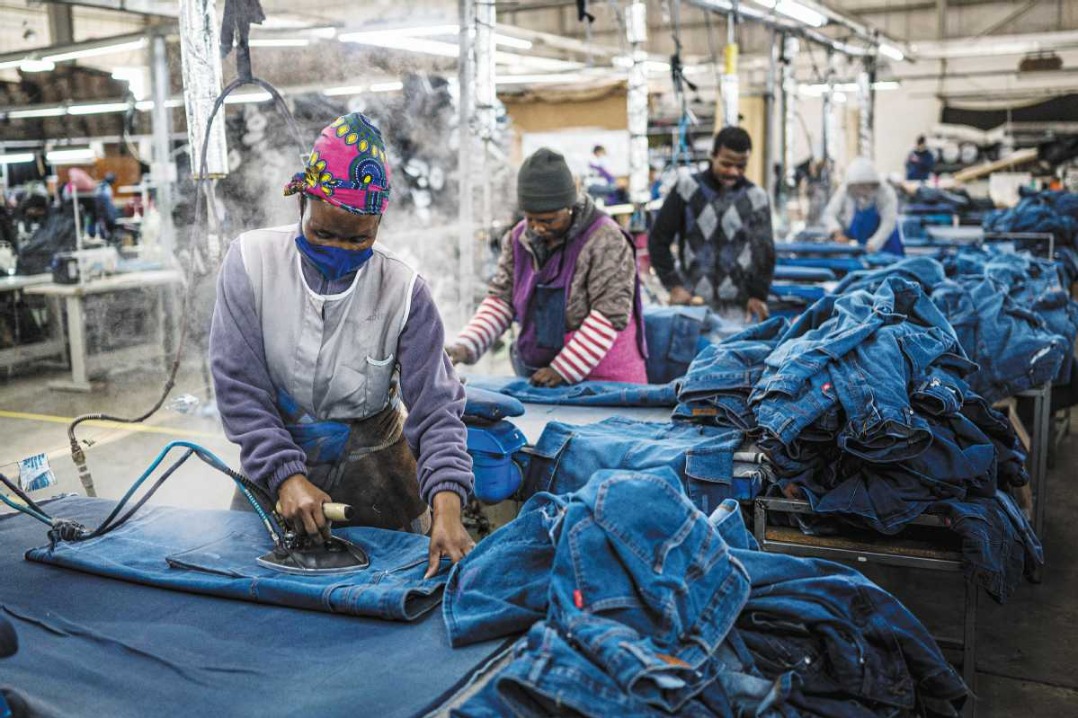
"It reverses the industrialization and value-added initiatives offered under the AGOA. For instance, Kenya and Lesotho built booming textile sectors through Export Processing Zones targeting the US."
The political message from Washington appeared to be encouraging African nations to choose sides, but economic analysts argue it may instead strengthen Africa's commitment to economic nonalignment and intra-continental trade.
"The US tariffs make African countries seek alternatives," Shikwati said. "They encourage the strengthening of the African Continental Free Trade Area and deepen interest in the Belt and Road Initiative. Even countries previously aloof to BRICS are finding new motivation to join."
He said African countries are likely to seek to take advantage of the recent tariff-free access to Chinese markets, adding that "Africa's pivot to China is likely to be based on infrastructure investments and the quest to industrialize".
In a social media post earlier this month, Trump had threatened to impose an additional tariff on countries deemed to be "aligning with anti-American" BRICS policies with an aim to warn nations warming up to the economic bloc.
At the recently concluded BRICS Summit in Rio de Janeiro in Brazil, African leaders joined their counterparts from Latin America and Asia in pushing back against what they termed "unilateral trade intimidation".
South African President Cyril Ramaphosa hit back at Trump saying that there should "never be vengeance, retribution" against the countries seeking cooperation and working to advance "the interests of humanity".
Ramaphosa told the media in Rio de Janeiro that BRICS should be viewed as one of several emerging centers of global power working to improve governance and development, not as a rival to the existing institutions.
"An additional 10 percent tariff increases the cost of African goods in the US, which will likely result in job losses and reverse AGOA gains," said Ken Gichinga, chief economist at Mentoria Economics, an economics analysis and business advisory company based in Nairobi.
"But more importantly, it shows that Africa cannot piggyback on other countries' demand cycles. We must build resilient local markets."
Gichinga said the proposed tariffs — though not yet law — signaled a broader geopolitical shift that could reshape investment flows, warning the uncertainty may discourage US firms from expanding in African markets. "American firms are unlikely to commit amid these tensions, and other players from Asia or the Middle East may step in to fill the investment gap."
While direct retaliation from African governments appears unlikely given economic asymmetry, the experts foresee greater diplomatic engagement with non-Western blocs.
"Africa is likely to retain a balanced approach — pursuing partnerships with both East and West," Shikwati added. "But Trump's rhetoric makes diversification more urgent than ever."