Beverage chains expand overseas footprint
Several Chinese brands, including Mixue Group, Chagee and Heytea, have already made inroads into international markets, particularly in Southeast Asia









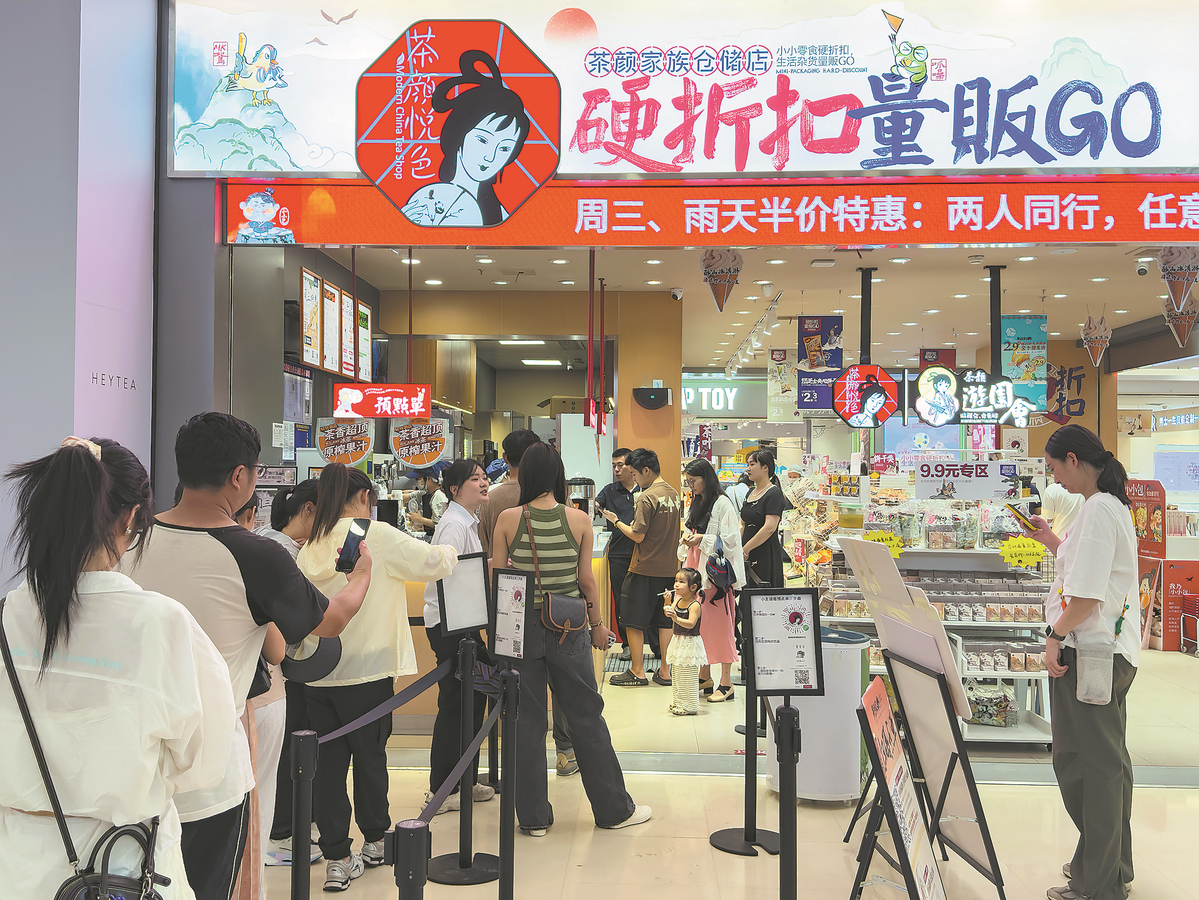
Modern China Tea Shop, a leading Chinese-style tea drink brand, is marking its first step into the international market — but not through its signature brick- and-mortar tea houses.
Instead, the company is opting for a digital-first strategy, launching a portfolio of retail products on e-commerce platforms in North America.
On July 9, the company said it would begin selling cultural and lifestyle products in the United States and Canada through a series of online channels, including its own Shopify store and third-party platforms such as Amazon, TikTok, Walmart and Weee.
"Opening stores abroad is a challenge that our current service and product standardization capabilities are not yet able to meet," the brand said in an announcement. "Compared with the domestic market, the overseas market requires a more rigorous and in-depth understanding."
Its initial overseas product lineup includes nearly 40 kinds of products ranging from snacks, tea sets to crystal-scented items and creative merchandise. All packaging and flavors will remain consistent with its domestic offerings, although pricing will be adjusted for local market conditions.
The company's flagship product — freshly made tea drinks — will not be part of the overseas assortment. Snack and merchandise products, by contrast, are relatively standardized and offer better control over quality and logistics.
The company said that differences in tea-leaf testing systems between China and the United States have further complicated plans to export core beverage offerings.
Founded in Changsha, Hunan province in 2013, Modern China Tea Shop rose to national fame during the height of China's milk tea boom. At its peak, lines outside its stores stretched for hours, with online scalpers reselling a single cup for 200 to 500 yuan ($27-$69). The brand's blend of traditional aesthetics, high-end packaging and a social media-friendly brand image helped it dominate local markets in Changsha, Wuhan, Hubei province, and Chongqing.
As of the end of 2024, the chain had 710 stores under its main brand, with an additional 200 under sub-brands, bringing its total store count to over 900 nationwide.
China's tea-drink market has become increasingly crowded, prompting major players to look abroad for their next wave of growth. An increasing number of Chinese beverage chains have already made inroads overseas, including Mixue Group, Chagee and Heytea.
Mixue, known for its low-priced tea drinks and ice cream, had opened 4,895 overseas stores by the end of 2024 — over 10 percent of its global footprint. Meanwhile, premium tea chain Heytea has established nearly 70 outlets in countries including Singapore, the United Kingdom, Canada and Australia.
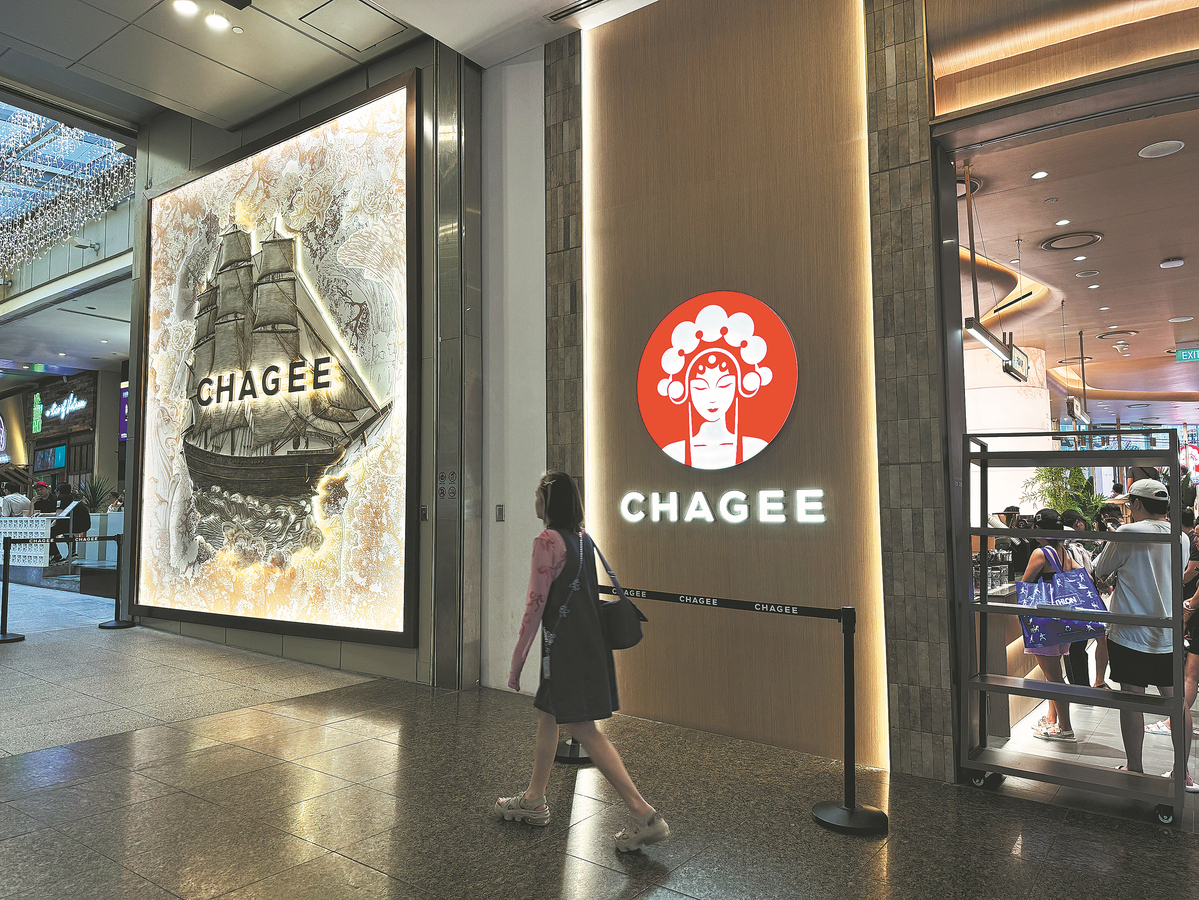
Chagee Holdings, another rising player, is making notable headway in Southeast Asia. The company's Thai subsidiary, Chagee (Thailand) Co Ltd, recently received over 142 million Thai baht ($3.9 million) in funding from a trio of heavyweight local investors, including Thai President Foods and Komsan Saelee, founder of the logistics unicorn Flash Express.
The investment increased the subsidiary's registered capital from 5 million baht to 279 million baht and granted the Thai partners a controlling 51 percent stake.
With this backing, Chagee aims to accelerate expansion across Thailand's highly competitive beverage market, using the joint venture model to reduce operating risks and leverage local logistics, retail, and real estate networks.
A similar strategy in Malaysia has already yielded results: Chagee partnered with hotel conglomerate Magma Chain to form a 60-40 joint venture and now operates over 150 stores in the country.
As of the end of the first quarter of 2025, Chagee had 6,681 stores, including 169 overseas. Its total global gross merchandise volume for the quarter reached 178 million yuan ($24.5 million), up 85.3 percent year-on-year.
While Modern China Tea Shop has set its sights on North America, several of its peers are doubling down on Southeast Asia — a region that continues to offer fertile ground for expansion, thanks to its youthful demographics and growing middle class.
According to Euromonitor International, the specialist tea and coffee shop market in Southeast Asia was valued at $4.7 billion in 2024, and is expected to grow at a compound annual growth rate (CAGR) of 9 percent through 2029.
Chinese brands have played a pivotal role in driving that growth. Between 2019 and 2024, Mixue and Chagee expanded their combined store count in the region by over 80 percent.
"Southeast Asia's coffee and milk tea scene offers enormous potential — but success demands strategic adaptability," said Nathanael Lim, APAC insight manager for beverages at Euromonitor International.
"Chinese brands like Luckin, Mixue and Chagee have gained ground through rapid expansion, localized product innovation and AI-driven pricing strategies."
Lim said that Chinese tea and coffee chains have been particularly adept at sustaining consumer interest through relentless product innovation, often launching new items on a monthly basis.
"These launches are frequently tied to limited-time promotions, exclusive merchandise and viral campaigns, which build excitement and a sense of urgency," he said.
Behind the scenes, brands invest heavily in R&D and ingredient sourcing, enabling them to develop region-specific fruit flavors that appeal to local tastes, according to Lim.
To further amplify their reach, Chinese players partner with local businesses and social media influencers — a proven formula from their success in China, now adapted to markets like Malaysia, Thailand and Indonesia.
Yet, Lim cautioned that Chinese brands still face major hurdles. "Winning in Southeast Asia requires more than just fast growth," he said. "You need to strike the right balance between affordability and premium positioning, while continuing to localize your offerings and experiences."
As competition escalates across the region, Lim said, "The brands that thrive will be those that blend global ambition with hyper-local relevance. In Southeast Asia's fast-moving beverage market, standing still simply isn't an option."