Chikungunya battle requires long-term vigilance, say experts
While outbreak in Guangdong is unusual, health authorities wary of future surges of virus










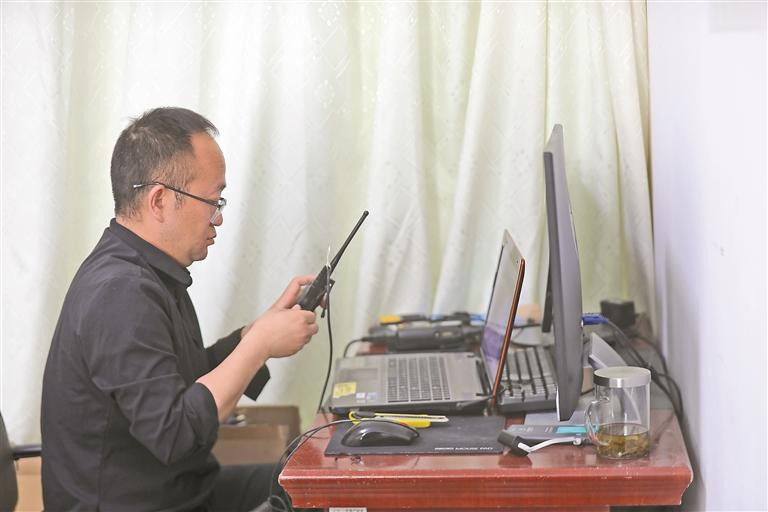
Field tests have demonstrated remarkable effectiveness. During its first week of operation the system issued timely alerts for abnormal mosquito density surges across multiple zones and generated targeted intervention protocols.
"Manual mosquito trapping caused data delays. Now, real-time cloud-based alerts have substantially accelerated grassroots disinfection responses," Chen said. After deployment, surveillance showed an almost 40 percent decrease in adult mosquito captures within key areas.
In addition to stamping out the disease's spread, top health authorities have attached significance to delivering standardized treatment to patients to prevent severe cases and deaths, according to a national-level teleconference on tackling the epidemic held in late July.
Authorities in Foshan said on Saturday that no seriously ill patients or deaths had been reported and more than 90 percent of patients had recovered.
Yan from the Foshan First People's Hospital said the majority of patients only exhibit mild symptoms that usually subside within a week.
"No severe lingering effects have been observed, but recovered individuals should avoid joint strain — such as weightlifting, hiking, or long-distance running — for three months," he said. "Some patients who feel uncomfortable for prolonged periods are advised to seek rehabilitation services."






- Shanxi ends province-wide blanket fireworks ban
- Audit: China fixes bulk of fiscal problems tied to 2024 budget
- China reports major gains in circular economy
- Chinese lawmakers review draft revision to banking supervision and regulation law
- Top legislature to study draft laws on environment, ethnic unity, national development planning
- Administrative organs must secure people's interests: senior judge