Big cities surge ahead in seeking quality growth
Rapid application of innovation results help urban centers gain an upper hand









China's major cities, including Beijing, Guangdong province's Shenzhen, and Shanghai, are showing strong momentum in quality and sustainable growth, said a report released on Tuesday, highlighting how such large urban centers are driving a shift toward higher-quality and innovation-led growth.
According to a report released at the 2025 World Standards Day event organized by the China National Institute of Standardization, China's urban development is exhibiting a pattern of top-tier leadership and overall improvement.
The report offers one of the most detailed assessments to date of how major Chinese cities are progressing in areas such as innovation, livability, environmental management and digital governance.
Beijing, Shenzhen and Shanghai scored 85.1, 82.5 and 81.4, respectively, securing the top three rankings. Other cities in the top 10 include Hangzhou, Zhejiang province; Jinan, Shandong province; Tianjin; Guangzhou, Guangdong; Nanjing, Jiangsu province; Chengdu, Sichuan province; and Wuhan, Hubei province.
The results showed that China's first-tier cities continue to play a pivotal role in setting benchmarks for governance, innovation and technology, industry experts said.
Meanwhile, second-tier cities such as Hangzhou and Chengdu have made rapid progress, demonstrating the growing vitality of China's regional urban centers, they added.
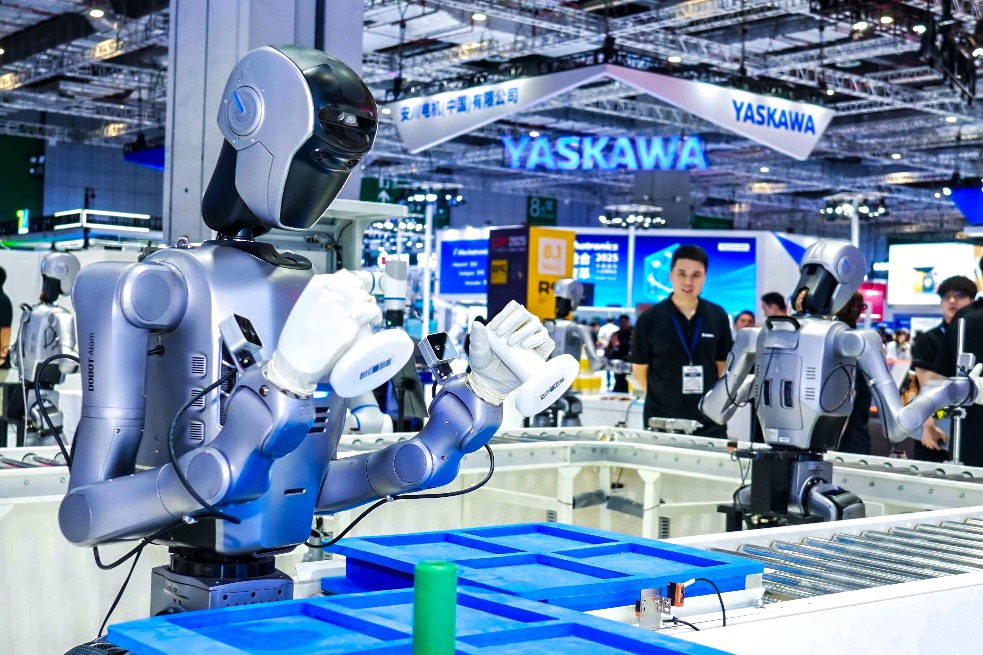
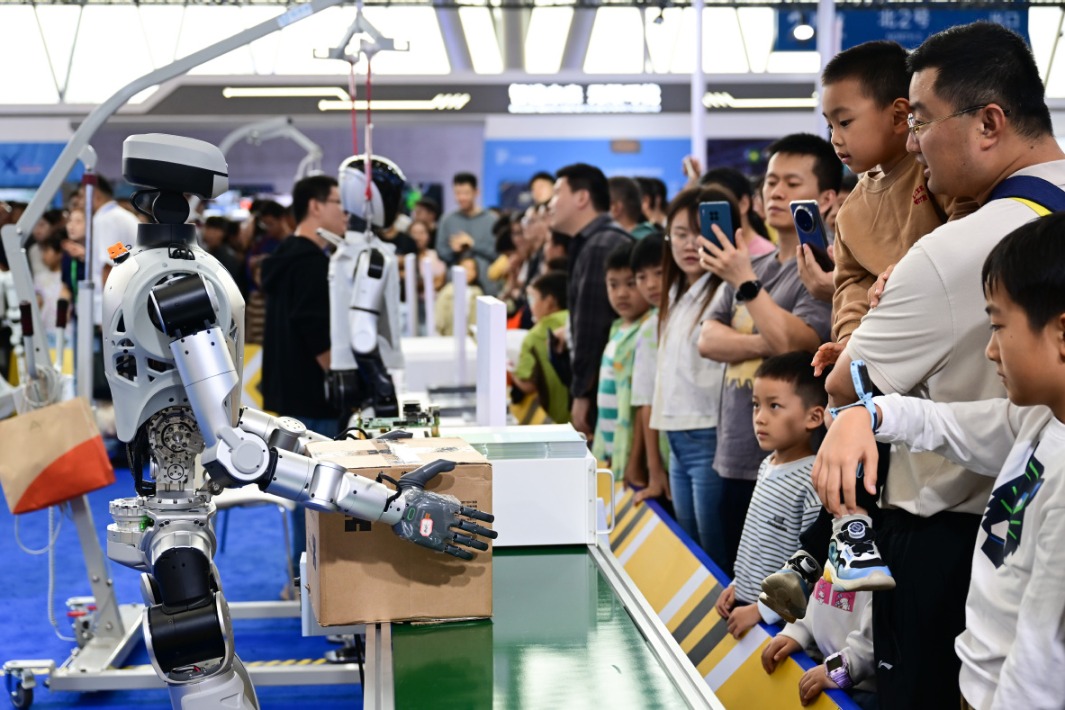
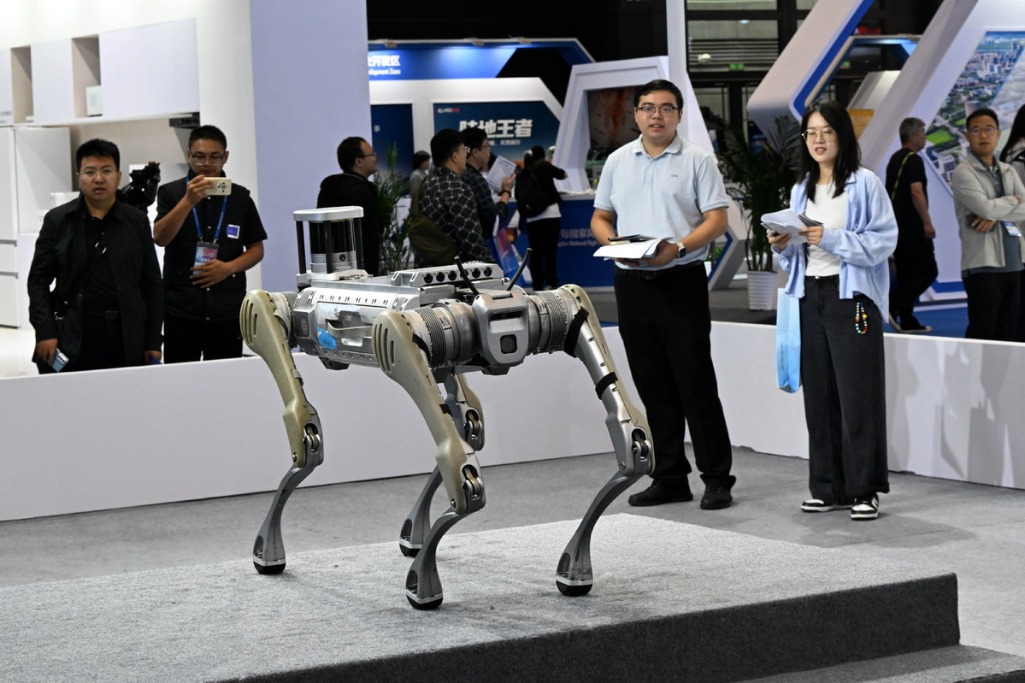
In the realm of innovation, Beijing, Shenzhen and Shanghai again top the list, with particularly strong showings in technological innovation and the transformation of research into marketable applications.
Beijing, the report said, has focused its efforts during the 14th Five-Year Plan period (2021-25) on integrating artificial intelligence across sectors including science, education, healthcare, finance and its legal system.
In supporting this goal, the city established an AI industry investment fund valued at over 10 billion yuan ($1.4 billion), approving 47 projects with a total investment of 4.31 billion yuan. These initiatives helped attract hundreds of billions in social capital.
Zhang Jihong, Party secretary and director of the Administrative Commission of Zhongguancun Science Park, as well as the Beijing Municipal Science and Technology Commission, said, "Beijing's status as an international science and technology innovation hub has strengthened, with rising influence, competitiveness and radiative power in global innovation networks."
Beijing plans to grow its general AI innovation partner membership base by the end of 2026 to 1,000 firms through a dynamic mechanism.
As of 2024, over 2,400 AI-related firms were operating in the city, which was the highest in China, and the core industry's output neared 350 billion yuan.
In the life sciences and health sector, the city has led the country in approved listings for AI-driven medical devices. In 2024, output by high-technology industries in Beijing rose to 1.49 trillion yuan, up 56.9 percent from 2020. The digital economy also exceeded 2.2 trillion yuan in industrial output, up 53.1 percent from 2020.
"In Beijing's innovation ecosystem, more than 300 technology firms are founded every day," Zhang said.
Beyond innovation, the newly released report tracks several other dimensions — including ecological health, city livability and smart governance.
On metrics of ecological environment, cities such as Guiyang, Guizhou province; Changsha, Hunan province; and Shenzhen stand out for their clean water, environmental hygiene and strong ecological endowments.
In the smart governance category, Beijing, Shanghai and Wuhan scored particularly well thanks to extensive adoption of "one-stop" e-government services, widespread 5G infrastructure and deeper digital support for city services and governance.
According to the Ministry of Industry and Information Technology, China has built the world's largest and most extensive network infrastructure since 2021, with 4.598 million 5G base stations in operation. The number of connected devices on major industrial internet platforms has also exceeded 100 million.
Looking ahead, the MIIT said the country will expand 5G-Advanced coverage in key cities, while guiding the deployment of 10-gigabit optical networks from pilot testing to large-scale application.