Tunpu culture: A collision of civilizations
By Yang Jun and Liu Boqian |
chinadaily.com.cn |
Updated: 2025-11-15 21:55


Share



Share - WeChat




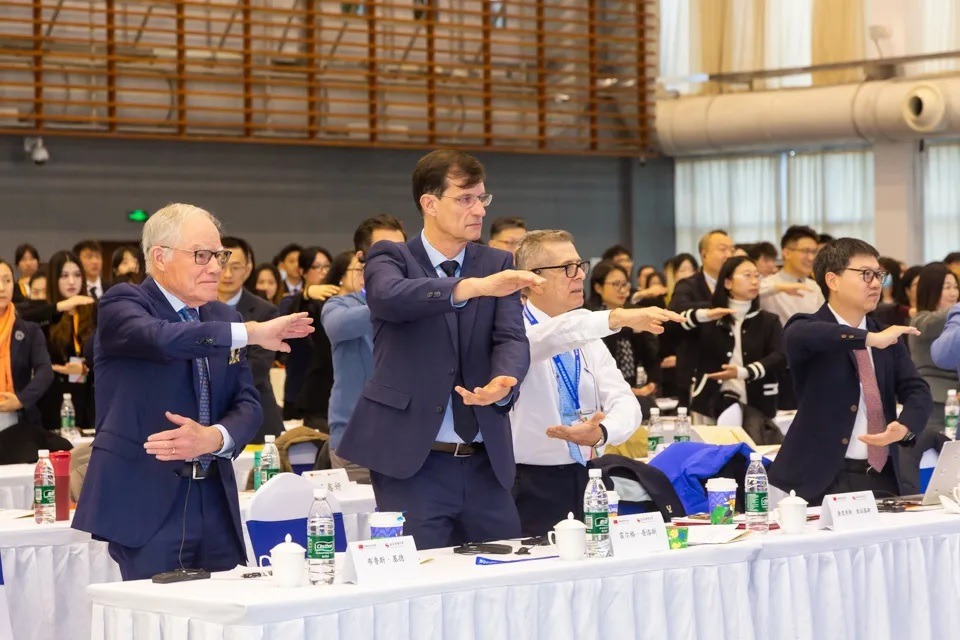
Fudan University professor Ge Jianxiong said Guizhou's Tunpu culture emerged from exchanges and collisions between different cultures.
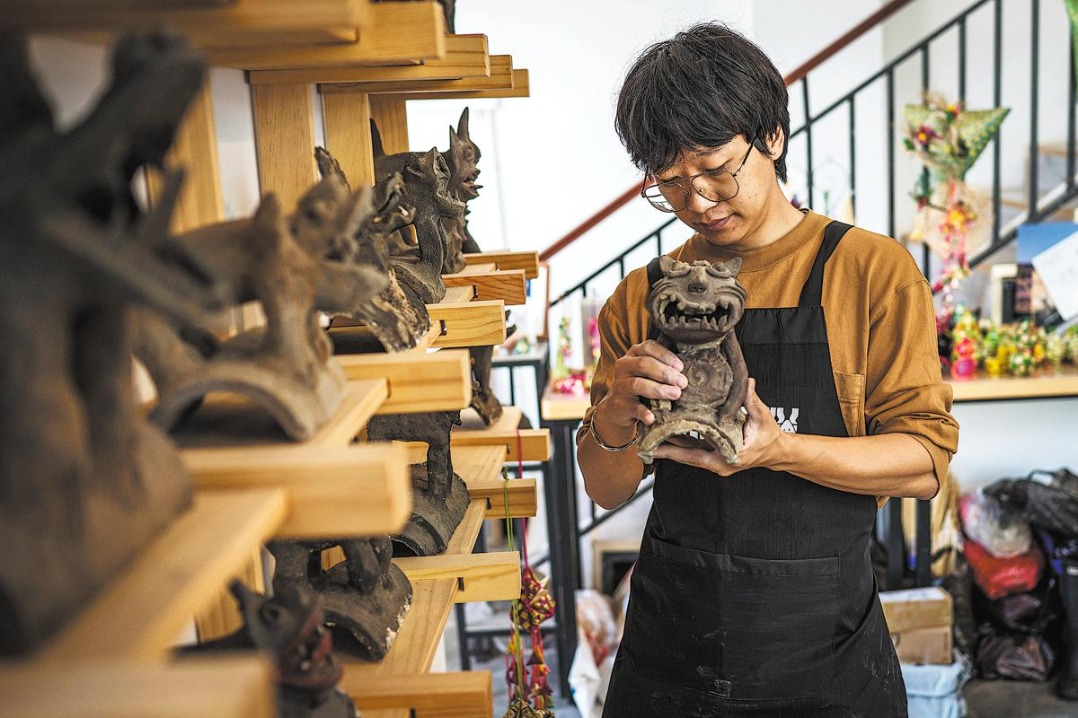
Tunpu, literally meaning fortified villages, refers to settlements created when Ming-era (1368-1644) soldiers were sent to guard and farm in Guizhou.
"They had relatively little contact with the outside world, so their culture endured and became a living relic," Ge said.
He added that the traditions the Tunpu people brought with them changed as they adapted to local conditions and, through interactions with Guizhou's many ethnic groups, evolved into the distinctive Tunpu culture seen today.




- 2,309 regulations filed with China's top legislature for review in 2025
- Chinese researchers pinpoint seed genes for enhancing food security
- Public interest litigation plays prominent role in China's governance
- 15 arrested in 1b yen robbery in Hong Kong
- Chinese lawmakers conduct third deliberation of draft national development planning law
- Multiple cities probe illegal activities in 'private cinemas'