Old, polluted mining site thrives in a green avatar










Xie Guoxiu, 83, still recalls the days some 20 years ago when the hills around her home, situated in a core mining area in Hunan province, were stripped bare and blanketed in toxic slag from the antimony mines.
For generations, Xie's family has lived in the Xikuangshan area in Lengshuijiang, a county-level city under Loudi. As an ore washing worker in the old days, Xie said the region was once filled with hundreds of small, private mining workshops.
With its antimony deposits first discovered in the Ming Dynasty (1368-1644), the area witnessed the establishment of China's first antimony plant in 1897.
According to data from local authorities, nearly 2 million metric tons of antimony metal were produced in Xikuangshan over the past century, which accounts for approximately one-third of China's total output and a quarter of the world's production, granting Lengshuijiang the title of "World Antimony Capital".
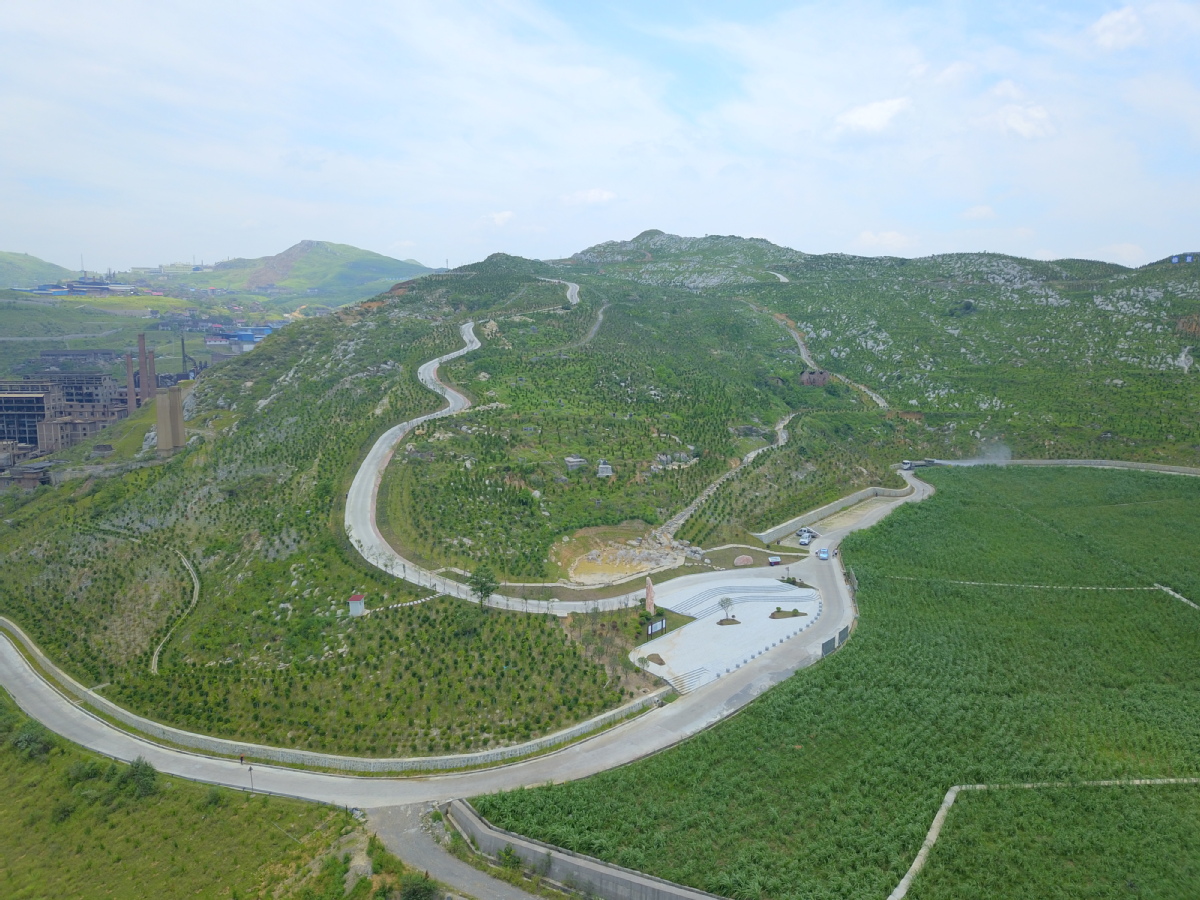
However, the industrial glory came at a tremendous environmental cost. Decades of intensive underground mining led to severe vegetation deterioration, air and water pollution, and ground subsidence.
"We couldn't grow vegetables in the yard and had to buy vegetables from an urban area far away," Xie recalled. "The air was so polluted that many of our neighbors moved away," she said.
Today, the area's landscape has completely changed. Abandoned mining sites have been replaced by photovoltaic power stations and wind farms, while the once denuded hills are now lush with forests, grass, and farmland and transformed into scenic spots for local and international visitors.
Xie's family now runs a rural restaurant and guesthouse. During the May Day and National Day holidays this year, the establishment was fully booked with visitors dining there.
"We had to set up a large tent outdoors to accommodate everyone," she said with a proud smile.
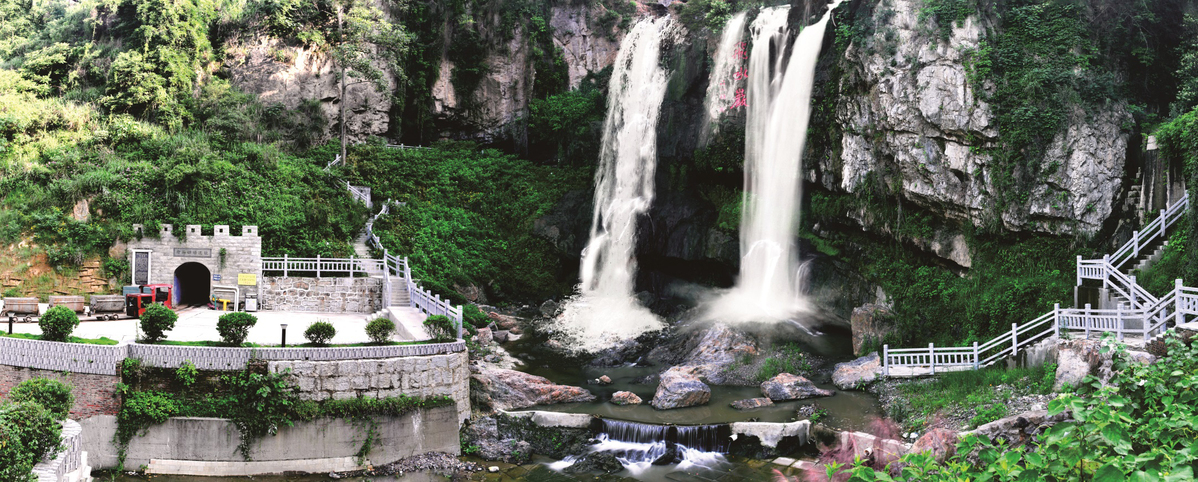
During this year's May Day holiday, the Xikuangshan scenic area welcomed more than 20,000 tourists, according to Zeng Guoliang, head of the office of a local tourist site.
The transformation of Xikuangshan has earned international recognition.
In 2021, at the 15th meeting of Conference of the Parties to the UN Convention on Biological Diversity, COP15, held in Kunming, Yunnan province, Xikuangshan was showcased to the world as one of China's typical ecological restoration cases.
Earlier this year, the area was selected as one of the 20 exemplary cases under the UN Decade on Ecosystem Restoration, a global initiative jointly led by the UN Environment Programme and the Food and Agriculture Organization.
Xikuangshan's journey to restore its ecosystem began in 2006, when the Lengshuijiang city government launched a comprehensive environmental campaign targeting the area.
Early efforts focused on relocating residents from areas affected by ground subsidence, dredging polluted rivers, and building alternative water supply systems, said Yi Shengxing, chief engineer at the Lengshuijiang natural resources bureau.
In 2013, the Hunan provincial government launched its "No 1 Project" — a key initiative for comprehensive pollution treatment along the Xiangjiang River, with the Xikuangshan area included as one of the eight key mining areas in its scope.
From 2018 to 2021, more than 300 million yuan ($42.6 million) was invested in ecosystem restoration of the area, successfully reviving 187 hectares of forest and 160 hectares of farmland, according to local government data.
The area now serves as a geological fieldwork base for students and researchers from numerous institutions of higher education, Yi said.
"Moving beyond just treating pollution, our project built its identity by creating a sustainable development model, combining ecology, culture, and tourism," Yi said.
Su Xiangrong, director of the ecological restoration division of the Hunan Provincial Department of Natural Resources, said there were a total of 10,917 hectares of unaddressed historical mining sites in Hunan in 2021. By October this year, 9,298 hectares had been restored, surpassing the 14th Five-Year Plan target of 6,000 hectares, he said.
Contact the writers at limuyun@chinadaily.com.cn





- Wanfenglin's karst peaks wear ethereal winter veil in Guizhou
- Spokesperson reiterates resolute opposition to foreign interference in Taiwan question
- Innovation sustains Beijing's winter crayfish palate
- Chinese research named among Physics World's top 10 breakthroughs of 2025
- Taiwan's ban of mainland social media app a case of political manipulation: spokesperson
- Five people face charges over deadly school fire in Henan