Culture Insider: How ancient Chinese welcomed youth into adulthood
 |
|
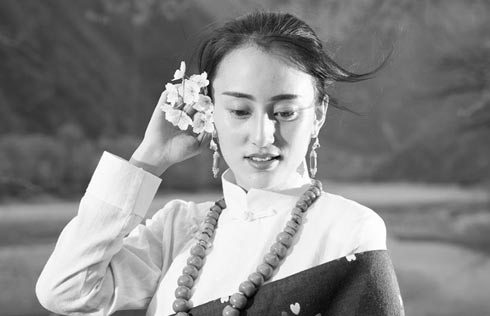
A young girl at her hair-pinning ceremony. [Photo/VCG] |
National Youth Day, a holiday established by the government in December 1949, is celebrated on May 4 every year. The definition of youth, however, varies from nation to nation. In China, for instance, adulthood for both men and women starts at the age of 18.
By the time most Chinese people reach 18, many have graduated from high school and are preparing for university. So, an individual's 18th birthday generally transforms into a celebration of both adulthood and of the college life which lies ahead.
But this 18-year milestone was not always the case. Chinese ancestors became adults at different ages and stages.
Males in ancient China officially became adult at 20 and females at 15. And big ceremonies were held to mark this "passage to adulthood", with some events tracing their roots to over 2,00-year-old history.
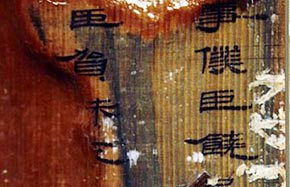
Li Ji, or Book of Rites, a collection of texts describing the social norms, administration, and ceremonial rites of the Zhou Dynasty (c.11 century-256 BC), said the ceremonies signaled the entry of young people into adulthood, their right to get married and their duty to share family responsibilities. Only after the ceremony, the young people could be called "adult ".
For women, the ceremony was called ji li, or hair-pinning ceremony. In the ancient times, only girls from noble families could hold this ceremony. Often the ceremony was held when a girl turned 15 and was engaged, but sometime the function was postponed to her wedding day.
The character "ji" refers to a kind of bamboo-made hair pin. Before the ceremony, a girl would tie her hair in a bun on the top of her head. During the rite, the master of the ceremony would put a hair pin on a girl's beautifully decorated bun, that signaled she was now an adult. The master was often a highly respected married woman and a girl's relative.
These noble women also needed to learn how to be wives after the ceremony. The learning included the proper way to speak and dress and also needlework.
Compared to the simple ceremony for females, the rites, guan li (capping ceremony) for men were more complex.
Before the rite, a boy's family often chose a lucky day and invited many guests. The parents of the male, a master of the ceremony, and an assistant all attended the event. The boy took a bath, had his hair done and then waited in a room.
At the start of the ceremony, the boy's father would give a brief speech first and the boy would come out to meet the guests. Then master would wash hands and put fu tou, a kind of head cap wore by ancient Chinese men, on the boy's head. Then the boy would go back to the room to change into another costume to match the color of the head cap. After that, he would come out and the master would give him a hat. The boy would again go back to the room and change into a dark colored costume for adult men to match the hat. After giving a salute to all the guests, the boy would officially become a "man".
As a key component of Confucian rites, both ceremonies formed the "four rites" along with marriage ceremonies, mourning rites, and sacrificial rituals.