CHINA> About Saudi Arabia

|
CHINA> About Saudi Arabia
|
|
Culture in Saudi Arabia
(Wikipedia)
Updated: 2009-08-20 14:44 Saudi Arabian culture mainly revolves around the religion of Islam. Islam's two holiest sites, Mecca and Medina, are located in the country. Five times every day, Muslims are called to prayer from the minarets of mosques which are scattered around the country. The weekend begins on Thursday due to Friday being the holiest day for Muslims. Most Muslim countries have a Thursday-Friday or Friday-Saturday weekend. The public practice of any religion other than Islam, including Christianity and Judaism, the presence of churches, and possession of non-Islamic religious materials is not allowed except in Aramco compounds in which many expatriates attend church services. Saudi Arabia's cultural heritage is celebrated at the annual Jenadriyah cultural festival. However, secret negotiations are rumored to be taking place between the Vatican and Saudi Arabia regarding authorization to build Catholic Churches in the Kingdom. Music and dance
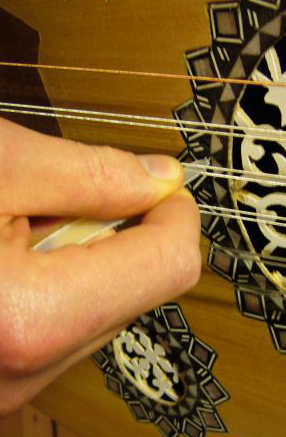
 One of Saudi Arabia's most compelling folk rituals is the Al Ardha, the country's national dance. This sword dance is based on ancient Bedouin traditions: drummers beat out a rhythm and a poet chants verses while sword-carrying men dance shoulder to shoulder. Al-sihba folk music, from the Hejaz, has its origins in al-Andalus. In Mecca, Medina and Jeddah, dance and song incorporate the sound of the mizmar, an oboe-like woodwind instrument in the performance of the mizmar dance. The drum is also an important instrument according to traditional and tribal customs. Samri is a popular traditional form of music and dance in which poetry is sung especially in the Eastern Region of Saudi Arabia. Saudi Arabian Musical tradition depends heavily on the modern Arabian oud. Dress
 Saudi Arabian dress follows strictly the principles of hijab (the Islamic principle of modesty, especially in dress). The predominantly loose and flowing but covering garments are helpful in Saudi Arabia's desert climate. Traditionally, men usually wear an ankle-length shirt woven from wool or cotton (known as a thawb), with a keffiyeh (a large checkered square of cotton held in place by a cord coil) or a ghutra (a plain white square made of finer cotton, also held in place by a cord coil) worn on the head. For rare chilly days, Saudi men wear a camel-hair cloak (bisht) over the top. Women's clothes are decorated with tribal motifs, coins, sequins, metallic thread, and appliques. Women are required to wear an abaya or modest clothing when in public. Food Islamic dietary laws forbid the eating of pork and the drinking of alcohol, and this law is enforced strictly throughout Saudi Arabia. Arabic unleavened bread, or khobz, is eaten with almost all meals. Other staples include lamb, grilled chicken, falafel (deep-fried chickpea balls), shawarma (spit-cooked sliced lamb), and Ful medames (a paste of fava beans, garlic and lemon). Traditional coffeehouses used to be ubiquitous, but are now being displaced by food-hall style cafes. Arabic tea is also a famous custom, which is used in both casual and formal meetings between friends, family and even strangers. The tea is black (without milk) and has herbal flavoring that comes in many variations.
Film and theatre P ublic theatres and cinemas are prohibited, as Wahhabi tradition deems those institutions to be incompatible with Islam. However, lately, a reform is undergone in the country and several cinemas and movies had been shown under high tentions from radical Saudi groups. Also an IMAX theater is available,[52] and in private compounds such as Dhahran and Ras Tanura public theaters can be found, but often are more popular for local music, arts, and theatre productions rather than the exhibition of motion pictures. DVDs, including American and British movies, are legal and widely available.Literature Some Saudi novelists have had their books published in Beirut, Lebanon, because of censorship in Saudi Arabia. Despite signs of increasing openness, Saudi novelists and artists in film, theatre, and the visual arts face greater restrictions on their freedom of expression than in the West. |
主站蜘蛛池模板: 新泰市| 常州市| 绿春县| 江口县| 揭东县| 津南区| 大关县| 宣汉县| 故城县| 前郭尔| 内丘县| 荔波县| 昔阳县| 辛集市| 满城县| 南汇区| 陆丰市| 阿拉善盟| 通州区| 隆德县| 邵武市| 祁东县| 西贡区| 武城县| 得荣县| 曲松县| 绥化市| 通道| 巴彦淖尔市| 定日县| 竹北市| 仁怀市| 盱眙县| 凤凰县| 汽车| 理塘县| 通化市| 娱乐| 遂昌县| 兴化市| 什邡市| 扶绥县| 确山县| 赞皇县| 峨眉山市| 衡南县| 贵溪市| 海兴县| 泾源县| 德钦县| 邵阳市| 咸阳市| 永康市| 上思县| 汶上县| 隆子县| 巴马| 芷江| 交城县| 苍山县| 株洲县| 盐山县| 广安市| 通城县| 兴化市| 大名县| 介休市| 台北县| 金门县| 开封县| 海南省| 内丘县| 湖北省| 公安县| 临沧市| 黑水县| 安龙县| 玉溪市| 洛隆县| 墨竹工卡县| 岳普湖县| 临沂市|