CIIE takes cultural cooperation and interpersonal exchange to new levels in third edition









Regional images, tourism and pedestrianized streets become focus
Far more than a venue for trade, the annual China International Import Expo has created a platform for cultural cooperation and people-to-people exchanges.
During the first CIIE in 2018, artistic and cultural performances were major attractions. A display of intangible cultural heritage and time-honored Chinese brands was added to the second CIIE in 2019.
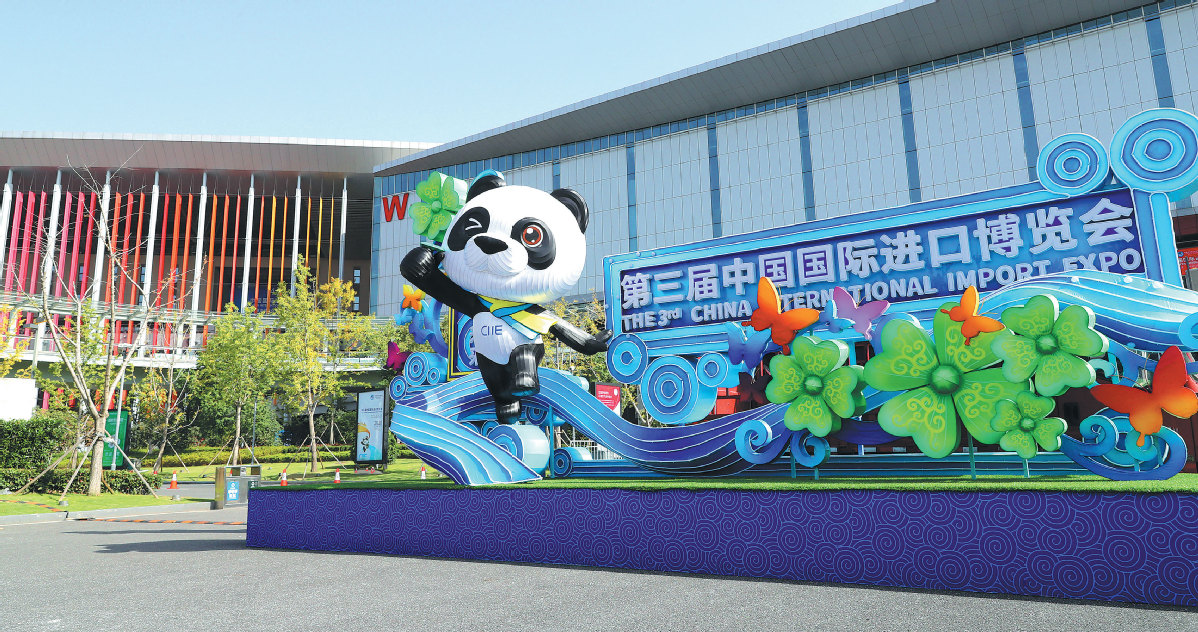
The ongoing CIIE puts an emphasis on both exhibition and performance. The exhibition area this year adds to its new offering with a general display of the brand image of each participant, highlighting local tourism and famous pedestrianized streets from around the nation.
Covering a total area of more than 20,000 square meters, the area has attracted participants from 25 Chinese provinces, autonomous regions and municipalities, as well as two foreign countries.
Making its debut at CIIE, the cultural image display, namely Comprehensive Image Exhibition, focuses on exchanges, integration, reciprocal learning and mutual progress. It highlights achievements in various regions' socioeconomic developments, including their innovation, reform, business environment and city brands.
Traditional culture including intangible cultural heritage, as well as China's international cultural exchanges, is a theme of the display, organizers said.
The special exhibition area also includes another four sections of State-level pedestrianized streets, time-honored Chinese brands, intangible cultural heritage and tourism attractions.
Themed exhibition sections
In the section of pedestrianized streets, booths with high-quality and novel products, specialties and well-known brands from different parts of the country line passages at the exhibition venue.
Walking through such passages, with the stands every 100 steps, visitors feel as if they were roaming streets, where they are provided with interactive experiences and artisans showcasing their craft. It offers an ideal example of how to combine commerce with culture, organizers said.
In the section of time-honored Chinese brands, traditional brands with market prospects and innovative crossover products are on display.
Traditional businesses showcase their persistence of and enthusiasm for craftsmanship and innovation through the demonstration of craft skills, launches of new products, quality assessment, brands' stories and other presentation.
The intangible cultural heritage section features ICH items recognized by UNESCO, as well as by the national, provincial and municipal cultural authorities. Among them, traditional music, dances, operas, quyi (folk art forms including ballad singing, storytelling, cross-talk and clapper talks) and sports are being performed at the third CIIE, enabling the audience to better appreciate the charm of the arts and culture.
The section of China's tourism resources features the promotion of famed scenic sites, travel routes with a well-established reputation, local customs and cultural flavors, tourism services and specialties protected by geographical indication trademarks. GI refers to a sign used on products that have a specific geographical origin and possess qualities or a reputation of that origin, according to the World Intellectual Property Organization.
Apart from the exhibitions, the third CIIE has continued its tradition of hosting artistic and cultural performances, introducing local features and folk customs to the event's visitors.
Compared with those of the previous two sessions, the performances at the third CIIE focus on folk arts, showcasing the richness of traditional Chinese culture.
Colorful performances
During the third CIIE, seven provinces including Zhejiang, Shandong and Yunnan are scheduled to stage 49 performances in a variety of art forms, including songs, dances and traditional local operas. They include UNESCO intangible cultural heritage, folk songs from the Ningxia Hui autonomous region, a dragon dance from Zhejiang province and an ethnic dance from Yunnan province.
Since its inception, the CIIE has seen troupes and renowned artists from home and abroad stage performances every year.
During the first two sessions of the annual event, CIIE organizers established an open-air theater inviting artists from various countries and regions including the United Kingdom, Russia, Latvia, India, Sri Lanka, Venezuela and Fiji, as well as more than 10 provinces, municipalities and autonomous regions, to stage over 100 performances.
The performances were aimed at showcasing Chinese and international intangible cultural heritage and cultural features with strong exotic and ethnic flavors, organizers said.
The CIIE provides an open and inclusive platform to promote cultural exchanges among countries and regions. It showcases achievements in preservation and protection of intangible cultural heritage, its organizers noted.
The rich exhibitions and performances at the CIIE reflect the significance of a global community with a shared future for humankind, with enhanced understanding of member countries and regions based on closer art and cultural bonds among people, they added.
Making full use of the CIIE's four major platforms for international procurement, investment promotion, cultural exchanges, and opening-up and cooperation, organizers said they are aiming to help participating delegations and international organizations better understand local cultural features in different parts of China, which in turn promotes communication and cooperation among different regions.