Specials
Luxury brands in China
(chinadaily.com.cn)
Updated: 2010-08-13 09:50
 |
Large Medium Small |
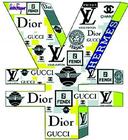 Editor's note: China has surpassed the US to become the second-largest luxury market in 2009, spending of $9.4 billion and?accounting for 27.5 percent of total global sales. Global luxury brands?have been fighting for?profits tooth and nail. Chinese people's?ability to purchase such products indicates the economic development of the country; however, some people's obsession with?luxury brands has?raised criticism while some people?are scraping by for?money from their daily living expenses.

Luxury brand makers scent more profits
International luxury brands often develop a new market through cooperation with local business partners who are more familiar with the scene in order to make good headway. But these brands are buying back direct control of their operations from China's local business partners, implying that international luxury brands don't want to share their high profit with others since the luxury market in China is developing at a staggering rate.
Luxury brands wrest back China market
To keep their China expansion alive, many of the global players are expected to move into China's second- and third-tier cities in the coming years to tap demand there.
Rapid development of high-end shopping malls and retail spaces across the country should help the domestic expansion of luxury groups, especially as mall operators could offer attractive terms to land big-name brands.
Chinese luxury wannabes try to raise their profile
Chinese luxury brands may face their toughest battle on the homefront, where shoppers often prefer big international names such as France's LVMH or Hermes that carry more prestige and more than a century of history. They could face an even rougher road ahead as global brands, well aware of China's rapidly growing wealth, launch major expansion campaigns in the country that include opening stores in second and third-tier cities.


Luxury brands are losing their exclusivity
As more and more young Chinese people can afford global luxury goods, today's luxury goods are becoming tomorrow's necessities. An increasing number of Chinese people, including white-collar workers and other middle-class groups, are buying luxury goods to reward themselves.
As a result, many traditional luxury brands are changing their business strategies to lure them, eschewing exclusivity and welcoming the new source of income.
Everybody wants luxury, but not at any price
Hidden amongst the countless pages of counterfeit goods on popular Internet shopping forum Taobao, the legitimate traders list their wares. A great number of these online stores are based in Beijing, run from residents' homes. These traders draw on contacts abroad to supply goods that substantially undercut the official outlet price. In fact, the prices are so reasonable that many of those walking down the street are likely to have purchased from these sources.

Luxury goods can't buy happiness

Some white-collar's desire to show off one's taste for elegance locks middle-class Chinese into a competitive struggle to sport the latest and best Italian clothes, designer handbags, and the like. And when it comes to function, most of the time one can get by just well with good generic brands versus expensive luxury goods.
But the scramble for luxury products doesn't seem to have made Chinese any happier. Indeed, in the most recent University of Michigan World Values Survey, China ranked 46th in the world with respect to the happiness of its citizens.
Stop worshiping foreign brands
The monopoly of the brand effect gives foreign brands advantages and privileges. The monopoly originates from the Chinese consumers' old and firm belief that foreign brands have better design, quality and taste, so that foreign brands become a high standard of lifestyle.
Should people be complacent about China's luxury consumption?
As the Chinese people have always liked the pursuit of world rankings, being the world's No. 2 luxury market has become a hot topic. Is it time for people to flaunt China's flourishing luxury consumption?
| 分享按鈕 |