


Hedge fund guru shares mantra of 'radical transparency'









When American investor and hedge fund manager Ray Dalio first visited China in 1984, the nation was in the early stages of the reform and opening-up process which set in motion a period of high economic growth-and a very different proposition to the country he finds today.
He has returned to the country dozens of times since then. He has sent his son to study in China, established charitable foundations, and has built personal relationships with some of the nation's most significant regulatory officials, as an informal adviser.
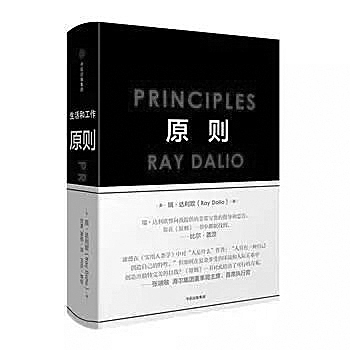
Thirty-four years later, as he visited Beijing and Shanghai earlier this month to promote the Chinese edition of his book Principles, it is clear that he has become a very popular figure. Many star-struck readers attended the events, keen to hear his insights into the Chinese economy, the 2008 financial crisis, and how he came to lead the world's best performing hedge fund.
In his weeklong tour of China, Dalio pushed for what he called "radical transparency", a key principle he has developed over his career, and a guiding principle which has helped drive the success of his company.
At Bridgewater Associates, he created a culture where employees are encouraged to have "thoughtful disagreements", exchange controversial ideas open-mindedly, and discuss new propositions, no matter how hard to digest they first appear.
He said he developed the approach through the process of learning from painful mistakes.
"That (making mistakes) gave me humility and a fear of being wrong. I find that the most painful experiences can be beneficial experiences," he said. "Pain can be a signal of something going wrong and reflection can be a source of learning how to change and improve."
In the book, he reduced complex scenarios, summarized them and came up with a five-step procedure that helped him achieve success: set goals, identify mistakes, understand why they occurred, fix them, and push ahead with the results in mind.
As interesting and worthwhile as these principles were, the audience was mainly interested in Dalio's opinions about the shape of the country's economy.
Some foreign institutions have raised concerns that the economy may be heading toward a financial crisis due to rising debt levels, but this did not seem to bother Dalio.
"China is making progress in cutting leverage in the economy," he said, adding that China does not appear to have systemic risks.
He regarded China's ongoing deleveraging process as "benign", which means it would not haunt the overall economy.
He said this was because China's central bank has a relative healthy balance sheet and the debt is mainly in the country's own currency.
When asked about his suggestions on how to reduce China's mounting debt levels, he said the government needed to strike a balance between deflation and inflation by triggering the four ways that any economy can deleverage, as he summarizes in the book-cutting spending, restructuring the debt, using fiscal policy measures to redistribute wealth, and printing new money.
Dalio emphasized that the debt risks in China seemed manageable, and he said he believed in the capacity of Chinese policymakers to manage the debt problem overall.
On the other hand, he expressed his concerns over the economy in the United States.
"We have to realize that we are approaching an end of business cycle that will probably happen before the next presidential election. The biggest economic issue is the gap between the rich and the poor, because the majority of people are not benefiting as much as wealthy people," he said.