
男女羞羞视频在线观看,国产精品黄色免费,麻豆91在线视频,美女被羞羞免费软件下载,国产的一级片,亚洲熟色妇,天天操夜夜摸,一区二区三区在线电影
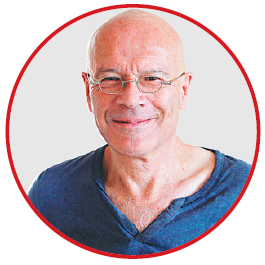
Martin Jacques
Author of When China Rules the World
BORN:

1945 in Coventry, England

EDUCATION:

1957-64: King Henry VIII School, Coventry

1968: Manchester University, BA in economics (first class honors)

1976: King's College, Cambridge, PhD

CAREER:

1965-90: Executive committee member, Communist Party of Great Britain

1969-71: Tutor in economic history, King's College, Cambridge

1971-77: Editor of Marxism Today

1993: Editor and founder of London-based think tank Demos

1994-96: Deputy editor of The Independent

2003-08: Visiting fellow, London School of Economics Asian Research Center

2009: Author of When China Rules the World

2010-11: Bosch public policy fellow at the Transatlantic Academy, Washington

2013-present: Senior fellow at the Department of Politics and International Studies, Cambridge University

2016-present: Visiting professor, Tsinghua University, Beijing

Sinologist sees China changing the world
Esteemed author says nation's development model can be a blueprint for emerging economies
Cecily Liu in London
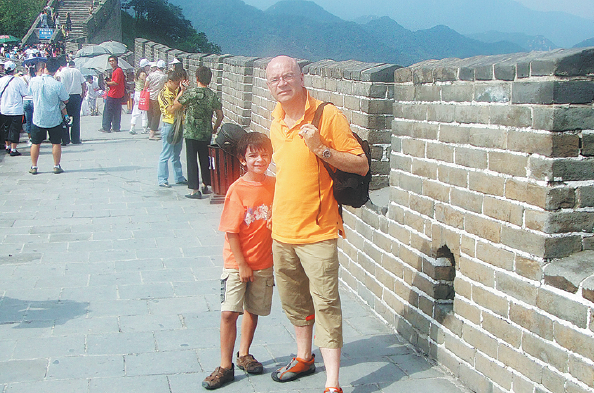
Jacques and his son Ravi on the Great Wall in Beijing in 2005. [Photo provided to China Daily]

Additionally, the fact China grew from being a poor, developing country to a strong economic power means it has accumulated significant lessons and experiences that could be applicable to other developing countries today.

"China is a developing country and can understand the problems of development in a totally different way," he said. "The United States cannot relate to (the developing world) in the way that China can."

Although Jacques is now a firm advocate of China's incredible potential, he admits to having been somewhat ignorant of the East until 1993, when he visited China, Singapore, and Malaysia for a holiday.

In China, he saw construction cranes working round the clock, roads streaming with trucks and carts, and women balancing goods on the ends of bamboo poles.

"It absolutely seized my mind," he said. "Guangdong province was a sort of huge building site with land being cleared as far as you could see. So many people were in motion along the road. It was so obvious this was a huge, important historical moment I was watching."

From there, Jacques has watched China transform on his subsequent trips.

"When you go to any city in China now, you see a modern city," he said. "Living standards have clearly been transformed."

While on holiday in 1993, he met his wife, Malaysian-Indian lawyer Harinder Veriah, on the island of Tioman, off the east coast of Malaysia. Veriah, who died in 2000, inspired Jacques to understand more about Asia, and made him more determined to write a book that explained his discoveries to the world.

"She taught me to see the world from a non-Western perspective," he said. "If you are always with someone of the same culture you are an insider and never looking from the outside. She helped me see my country from an outsider's perspective."

In the years that followed, Jacques frequently traveled to China and other East Asian countries to research his book. When he started, the book's working title was "The End of the Western World". But gradually, as he worked on it, he realized that the book had to be primarily about China, which led to its new title, When China Rules the World.

Looking back, he stressed the crucial role of China's reform and opening-up policies in shaping the country's economic achievements and its global influence. In particular, he marvels at pioneering leader Deng Xiaoping, who is credited with turning China's planned economy into a market-driven one and for strengthening China's exchange efforts with the world.

He praised Deng's courage in the way he "fired the starting gun" for China's transformation at a moment of significant change in Chinese society.

In particular, Deng transformed the world's understanding of a socialist country. Instead of following the inward-looking model of the Soviet Union, Deng advocated an unprecedented outward approach.

"Deng Xiaoping said, 'We want to be a part of the world, we have to learn from the rest of the world, we must be open to the rest of the world,'" Jacques said. "That is fantastic. Now, we can see how important Deng is as a socialist thinker, who is also a global thinker, a leader for everyone."

For Jacques, Deng's remarks exhibit tremendous confidence, something that is impressive, considering China was then a poor country.

"The idea that you can measure against the rest of the world, and be willing to learn straight away, it's a confident attitude," he said.


|<< Previous 1 2 3 4 Next   >>|
Martin Jacques
Author of When China Rules the World
BORN:

1945 in Coventry, England

EDUCATION:

1957-64: King Henry VIII School, Coventry

1968: Manchester University, BA in economics (first class honors)

1976: King's College, Cambridge, PhD

CAREER:

1965-90: Executive committee member, Communist Party of Great Britain

1969-71: Tutor in economic history, King's College, Cambridge

1971-77: Editor of Marxism Today

1993: Editor and founder of London-based think tank Demos

1994-96: Deputy editor of The Independent

2003-08: Visiting fellow, London School of Economics Asian Research Center

2009: Author of When China Rules the World

2010-11: Bosch public policy fellow at the Transatlantic Academy, Washington

2013-present: Senior fellow at the Department of Politics and International Studies, Cambridge University

2016-present: Visiting professor, Tsinghua University, Beijing

Sinologist sees China changing the world

Esteemed author says nation's development model can be a blueprint for emerging economies
Cecily Liu in London
Jacques and his son Ravi on the Great Wall in Beijing in 2005. [Photo provided to China Daily]

Additionally, the fact China grew from being a poor, developing country to a strong economic power means it has accumulated significant lessons and experiences that could be applicable to other developing countries today.

"China is a developing country and can understand the problems of development in a totally different way," he said. "The United States cannot relate to (the developing world) in the way that China can."

Although Jacques is now a firm advocate of China's incredible potential, he admits to having been somewhat ignorant of the East until 1993, when he visited China, Singapore, and Malaysia for a holiday.

In China, he saw construction cranes working round the clock, roads streaming with trucks and carts, and women balancing goods on the ends of bamboo poles.

"It absolutely seized my mind," he said. "Guangdong province was a sort of huge building site with land being cleared as far as you could see. So many people were in motion along the road. It was so obvious this was a huge, important historical moment I was watching."

From there, Jacques has watched China transform on his subsequent trips.

"When you go to any city in China now, you see a modern city," he said. "Living standards have clearly been transformed."

While on holiday in 1993, he met his wife, Malaysian-Indian lawyer Harinder Veriah, on the island of Tioman, off the east coast of Malaysia. Veriah, who died in 2000, inspired Jacques to understand more about Asia, and made him more determined to write a book that explained his discoveries to the world.

"She taught me to see the world from a non-Western perspective," he said. "If you are always with someone of the same culture you are an insider and never looking from the outside. She helped me see my country from an outsider's perspective."

In the years that followed, Jacques frequently traveled to China and other East Asian countries to research his book. When he started, the book's working title was "The End of the Western World". But gradually, as he worked on it, he realized that the book had to be primarily about China, which led to its new title, When China Rules the World.

Looking back, he stressed the crucial role of China's reform and opening-up policies in shaping the country's economic achievements and its global influence. In particular, he marvels at pioneering leader Deng Xiaoping, who is credited with turning China's planned economy into a market-driven one and for strengthening China's exchange efforts with the world.

He praised Deng's courage in the way he "fired the starting gun" for China's transformation at a moment of significant change in Chinese society.

In particular, Deng transformed the world's understanding of a socialist country. Instead of following the inward-looking model of the Soviet Union, Deng advocated an unprecedented outward approach.

"Deng Xiaoping said, 'We want to be a part of the world, we have to learn from the rest of the world, we must be open to the rest of the world,'" Jacques said. "That is fantastic. Now, we can see how important Deng is as a socialist thinker, who is also a global thinker, a leader for everyone."

For Jacques, Deng's remarks exhibit tremendous confidence, something that is impressive, considering China was then a poor country.

"The idea that you can measure against the rest of the world, and be willing to learn straight away, it's a confident attitude," he said.

主站蜘蛛池模板: 高尔夫| 肥城市| 常德市| 商城县| 广元市| 塔河县| 柏乡县| 淮南市| 邮箱| 名山县| 新巴尔虎右旗| 济阳县| 盐池县| 汨罗市| 长乐市| 五原县| 卢湾区| 青田县| 鸡西市| 正定县| 哈巴河县| 永平县| 清流县| 景泰县| 棋牌| 阜平县| 西和县| 准格尔旗| 泗洪县| 宝丰县| 佛冈县| 新乡县| 乐安县| 泗洪县| 同心县| 宁强县| 拉萨市| 丰城市| 麻江县| 华阴市| 江永县| 张家港市| 理塘县| 南澳县| 万州区| 尖扎县| 武山县| 汝阳县| 进贤县| 桃园县| 阿巴嘎旗| 岑巩县| 泸溪县| 涡阳县| 历史| 韶山市| 桐柏县| 肥乡县| 翁牛特旗| 洪泽县| 瑞金市| 泸溪县| 恩平市| 常宁市| 丰台区| 开阳县| 四川省| 潍坊市| 西乌珠穆沁旗| 呼和浩特市| 鄂尔多斯市| 郯城县| 武义县| 昭平县| 宁安市| 芦溪县| 防城港市| 石阡县| 田东县| 凌海市| 浮山县| 永昌县|