Initiative offers a range of exciting opportunities









When President Xi Jinping first espoused the Belt and Road Initiative in 2013, it generated a great deal of public interest and excitement outside of China, especially among countries in Asia.
First, it tapped into the desire among Asian countries to develop economically in a manner similar to China, on the back of significant infrastructure development in highways, railways, airports, ports and other public infrastructure. China's potential involvement in partly funding some of these infrastructure projects stirred excitement among many Asian countries.
Second, many Asian countries were excited at the prospect of enjoying ancillary benefits from this policy. They will not only benefit from the infrastructure development, but also enjoy positive spillover effects such as industrial development, foreign direct investment and tourist traffic from China.
Third, this was the most significant policy announcement from China in terms of its engagement strategy with the rest of Asia. Given the scope and potential of this policy, it was no surprise that many Asian countries projected their own aspirations onto the BRI.
Many of the ideas and initiatives under the BRI were spelled out by President Xi at the inaugural Belt and Road Forum for International Cooperation in May 2017, as well as in the communique signed by leaders of the participating countries.
What can we expect from the second Belt and Road Forum, which will take place in Beijing this week?
Three areas are of importance to Malaysia specifically in terms of its strategic participation: expectations of policy adjustments and refinements; specific areas of strategic cooperation and interest for Malaysia; and challenges in the execution and implementation of BRI-related projects and initiatives.
First, some policy adjustments and refinements are expected. In some ways, the "growing pains" associated with the BRI are not unexpected. Many of the recipient BRI countries are also dealing with Chinese businesses for the first time. Given the cultural differences as well as the lack of experience and exposure on all sides, it is not surprising that the terms and conditions of some of the projects were not fully understood and appreciated.
This is why policy adjustments and refinements from a transparency and financing standpoint should be a focus of the upcoming Belt and Road Forum. This will be important for all the parties involved in BRI projects. For China, having more transparent standards will minimize the risk of a local backlash if any of the projects run into financial challenges. For Chinese companies, better standards will give them greater certainty in terms of project financing. For the participating governments, it will put in place better mechanisms to ascertain the financial sustainability and cost benefits of such infrastructure projects.
A joint venture model of ownership and operations could be an option for certain projects so that the Chinese contractor is not merely a turnkey contractor. Rather, the long-term financial sustainability of these projects should be part of the economic calculation.
The second area of importance is the strategic areas of focus for Malaysia within the context of the BRI.
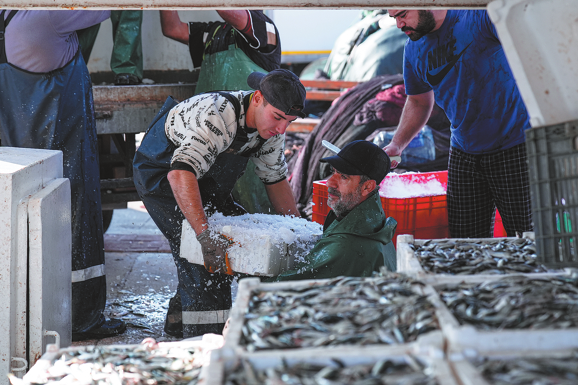
Among the attractive areas of focus are food security, cooperation on research and technology, and the capitalization of Malaysia's strategic location to expand and enhance our logistics connectivity with China through our ports and airports.
The third area of focus is the implementation and execution strategy. While the forum this week will be an important platform to set the larger strategic objectives of the BRI, the reality is that each country has to work strategically with China and multilateral institutions in order to get the best out of the BRI.
This involves the establishment of joint councils between the two countries at various levels of government-national, provincial/state and city. These joint councils can build trust and ties over the long run.
The economic opportunities presented by the BRI for all the parties and stakeholders involved are exciting. We can all play a proactive and productive role in building the "community of shared future" envisioned by President Xi.
The author is Malaysia's deputy minister of international trade and industry.The views do not necessarily reflect those of China Daily.