Australia should be reasonable in response to epidemic










Since the novel coronavirus outbreak began in Wuhan in December, Australian universities' Chinese students could be forgiven for thinking they had something to do with its arrival Down Under.
At midnight on Jan 31, the Australian government imposed a ban to bar all Chinese passport holders arriving from China, regardless of the visas they held, from entering the country.
According to the government, it was done to protect Australians from the virus. It locked out of the country an estimated 100,000 Chinese university students who had traveled home to spend Chinese New Year with family.
These students have paid up to AU$40,000($26,955) in tuition fees for the year and around AU$30,000 for accommodations.
For the 58,000 Chinese students who did not travel overseas for the Chinese New Year, not much has changed. Most universities have given them the all clear.
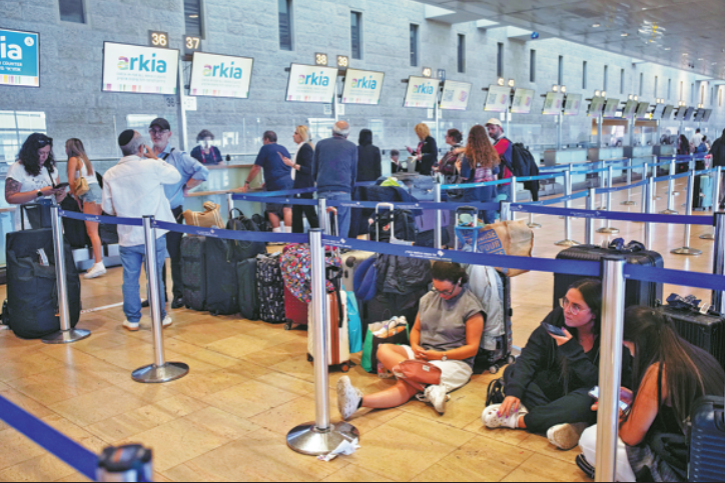
Around 100 students arriving on the morning of Feb 1 were met at airports around the country by Australian Border Force personnel and sent back home on the next available flights. None of them had symptoms of the virus.
The move has not only angered local and foreign students, but also raised fears among the country's universities that the heavy-handed approach by the government could have serious repercussions on the education sector.
China is Australia's largest source for foreign university students. They spent an estimated AU$12 billion last year.
The newspaper The Australian, in a story on Feb 5 under the headline "Abysmal treatment of Chinese students will be costly", said some students who were detained were denied food and were required to change into clothing provided by the border force. The paper said many of the students were threatened with having their visas canceled by border force personnel.
The Chinese embassy in Canberra has expressed disappointment with the way its nationals have been treated.
The embassy's deputy head of mission, Wang Xining, told a media briefing that he understood the anxiety of the Australian government, but said measures taken in response to the epidemic "need to be reasonable".
Australian citizens who have been flown out of Wuhan are now being quarantined on Christmas Island, about 1,500 kilometers from the Australian mainland, while the government considers opening former military and mining camps for others returning to Australia.
Even this move has been considered by some as a knee-jerk reaction to the spread of the coronavirus, since others have been allowed to self-quarantine at home.
Surely, the Australian government could have handled the returning students with some respect. It must be asked whether the same heavy-handed approach would have been carried out if the coronavirus had originated in the United States or Britain. Would the government have treated American or British students the same way?
No one disputes the fact we face a health emergency, but do we really need to close our borders and turn people away even if they have valid visas?
The World Health Organization says the travel bans do more harm than good by hindering information sharing, medical supply chains and economies.
The WHO recommends screening at official border crossings. It has warned that closing borders could accelerate the spread of the virus, with travelers entering countries unofficially.
Either way, it does not solve the problem that thousands of Chinese students face.
Some universities are pushing the start of the first semester back from February to March.
What then for those students in China who have paid so much for their courses? Will they be able to access their course work via the internet in China?
The Australian government says the services sector is committed to providing maximum flexibility to accommodate students affected by the travel ban, as well as alternative study arrangements that could include extending visas for students to ensure they can complete their studies and exams.
Education for international students is Australia's third-largest export, and this sector is eager to ensure the travel ban does not cause long-term problems. But that may be wishful thinking.
The author is a China Daily correspondent based in Sydney.