Strict ban on wild animal trade imperative: China Daily editorial









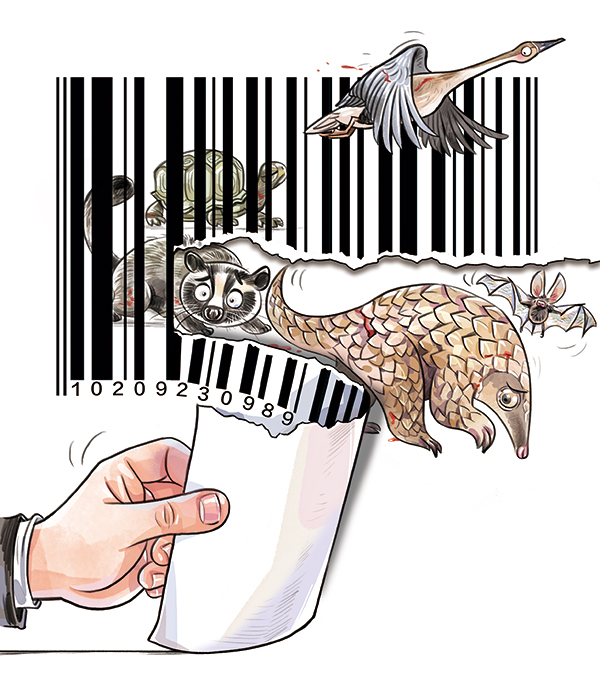
Despite the absence of a final, definitive scientific verdict regarding the source of the severe acute respiratory syndrome virus that claimed more than 700 lives worldwide in 2003, it was generally believed to have been first transmitted to humans from masked palm civets, which were identified as a host of the virus.
Amid the prevailing fear of SARS, there were loud appeals for tightened controls over trade in wildlife. Everyone agreed at the time it was a costly lesson to have learned.
Obviously more needed to be done than was.
Or we might not have been in this nightmare now. The novel coronavirus epidemic, which has killed over 1,000 people and seen almost the entire Chinese mainland in quarantine is also believed to have originated from animals.
Only the intermediate host this time is believed to be pangolin.
The first identified source of the highly contagious novel coronavirus, the Wuhan Seafood Market, turned out to be a slaughter house and trading hub of exotic wild animals.
The current epidemic is wreaking such havoc that the Legislative Affairs Commission of the National People's Congress Standing Committee has decided to amend the law on the protection of wildlife this year.
Concern about the public health security risks caused by the trade in wild animals has alerted the national legislature to the need to toughen legislation and crack down on wildlife trafficking.
We need such changes to be made. We need the trade in wildlife to be banned and such marketplaces to be closed.
We have a law dedicated to wildlife protection. But on the one hand most wild animals are not covered by the law, which was meant to mainly protect valuable, endangered species. It does not protect the majority of high-risk animals that may spread epidemics, such as bats, rats and crows.
On the other hand, lax enforcement has rendered the law generally toothless. Although Pangolin are declared functionally extinct and under Class-II state protection in China, whose hunting, killing, trafficking or trading may result in imprisonment from five years to a life time, that has obviously failed to prevent it appearing in wildlife trading venues such as the Wuhan market.
Most people will emerge safe from the ongoing epidemic. But unless we truly take to heart the lesson we missed 17 years ago from the SARS outbreak, and find the legal remedy to put an end to the wildlife trade there is no guarantee we will not subject ourselves again to a similar threat.
After all, more than 75 percent of newly emerged infectious diseases in humans are transmitted to humans from animals.