A tragedy of missed opportunities










My new report, "The Tragedy of Missed Opportunities", released by a global think tank, Shanghai Institutes for International Studies, identifies the missed opportunities in the fight against the novel coronavirus outbreak and its consequent human and economic costs.
The White House's futile efforts to "protect the US economy" have had disastrous repercussions. Yet it continues to suppress science-based medical policies. And although the European Union was more willing to battle the virus, it was unable to do so proactively because it lacks the needed common institutions for effective response.
Despite several major opportunities to initiate early mobilization, the major advanced economies did not opt for preemptive action.
West missed opportunities to contain coronavirus
Between the first recorded case in Wuhan, Hubei province, and the World Health Organization's declaration of a global health emergency on Jan 30, COVID-19 cases were also recorded in some 20 other countries, including the US and major EU states.
That's when China, Singapore and later the Republic of Korea took stringent measures to contain the outbreak. The United States and the EU had the same information on the virus as these early mobilizers in the first week of January, yet both chose not to employ resources effectively to contain the virus and thus missed the first opportunity for proactive mobilization.
The second opportunity to contain the virus was between the WHO's global health emergency alert and global pandemic declaration (March 10), when the epicenter moved to Europe and then to the US. Yet both began full mobilization only one to two weeks after the WHO's pandemic warning.
During this period, their inadequate preparedness was reflected in faulty test kits and long testing delays; shortages of personal protective equipment, which US trade wars made worse, endangering frontline healthcare professionals; failed responses adding to health risks (such as rejection of science-based medical policies and failed quarantines); misguided media coverage leading to an "infodemic"; and unjustified attacks against the WHO.
US and EU slow to act despite WHO warning
That's how they missed the second major opportunity for mobilization in February and much of March. In cumulative terms, the entire first quarter of the year was a period of missed opportunities for several major Western economies. As the cases kept increasing in Europe, the epicenter moved to the US, while quarantines and lockdowns diffused worldwide.
Although China implemented social distancing measures in January, they were widely introduced in the West only in April.
As a result, the outbreak will linger far longer worldwide, while new virus waves and residual clusters are more likely, and premature lockdown exits will further add to human and economic costs. That's how the third major opportunity to contain the virus failed in February-March; and why it covers the first half of the year in cumulative terms.
Worse, the epicenter is now moving to developing countries with weaker healthcare systems. And without external support for these countries, about 265 million people could be pushed into poverty, as the UN food relief agency has warned. And that's how the fourth major opportunity against COVID-19 would be missed.
Due to belated mobilizations, the EU and the US could each have up to 2.5 to 3 million cumulative cases and hundreds of thousands of deaths at the end of June.
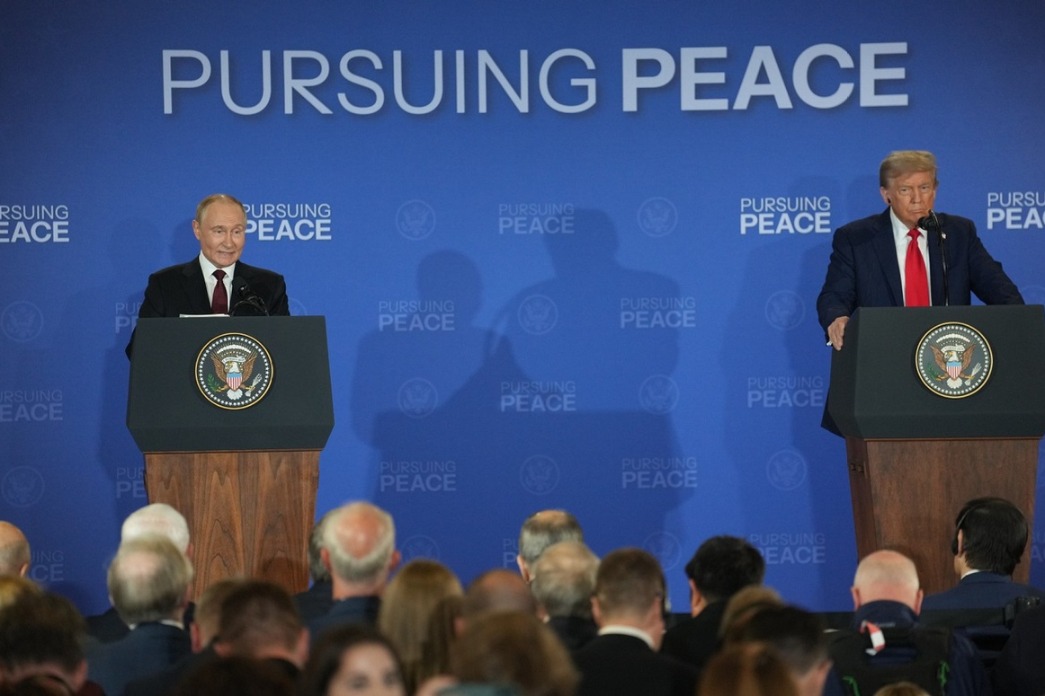
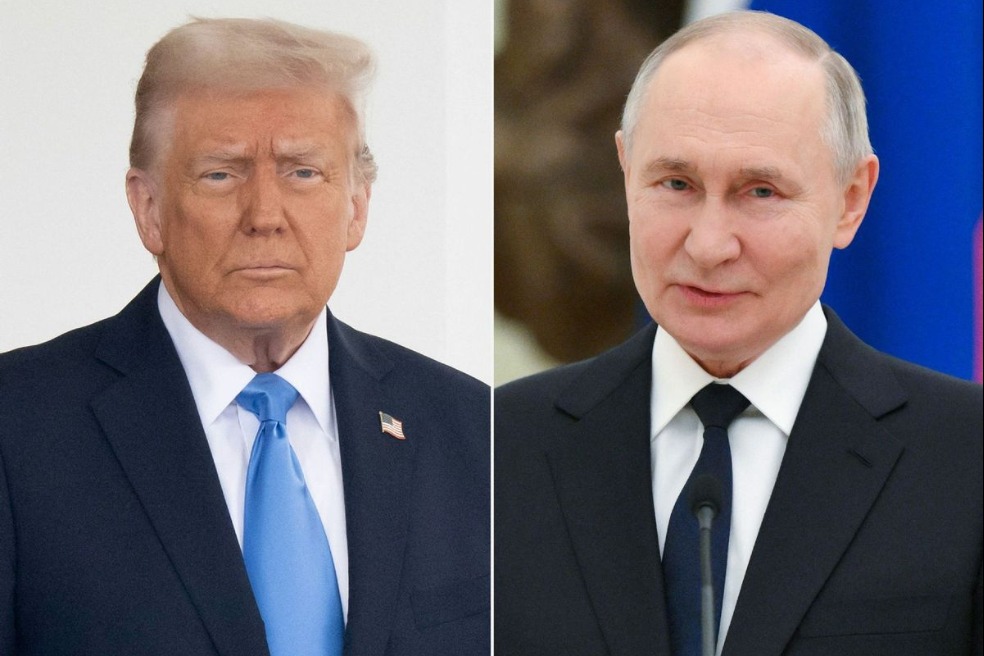
Struggling to deflect responsibility for its disastrous COVID-19 plunders, the White House is fabricating pretexts to target China as a politically expedient scapegoat, while trying to garner NATO allies' support to spark another Cold War.
Without vaccination and therapies, the human costs will continue to climb until the epidemic curves normalize, perhaps by 2021. The economic carnage will soar in the second quarter, with the coronavirus-induced contraction casting a dark shadow over the early 2020s.
Even in the current baseline case (according to the International Monetary Fund in April), the cumulative loss to global GDP in 2020 and 2021 could amount to $9 trillion. That's more than the world's third-and fourth-largest economies (Japan and Germany) combined-or three times more than the cost of the Iraq War, still another misplaced tragedy.
Much worse could be ahead. The current IMF baseline downplays the dire economic landscape-from the 2008-09 global financial crisis to US tariff wars-that preceded the coronavirus pandemic. Also, many epidemiologists assume there might be a longer outbreak in 2020 and a new outbreak in 2021, or both.
'Great Power Cooperation', 'not Great Power Conflicts'
Since the White House may want to reignite the trade war against China, it could result in what I call the "Great Power Conflicts" scenario. In this case, the coronavirus-induced economic contraction and lingering pandemic risks would result in new trade wars and geopolitical conflicts causing a multi-year global depression. This is the current path of the White House.
What is needed to avoid such a calamity is the "Great Power Cooperation" scenario. It would have to cope with lingering pandemic risks, yet deals in trade, technology and services could foster global economic recovery. This appears to be the preferred path of China, most of the EU, and US politicians and businesses opposed to the White House.
After the tragedy of missed opportunities, only international, multilateral cooperation can offer a way out.
The author is the founder of Difference Group and has served at India, China and America Institute (USA), Shanghai Institutes for International Studies (China), and the EU Centre (Singapore).
The views don't necessarily reflect those of China Daily.