ASEAN looks to border bubbles









Intraregional green lanes will allow gradual reopening of frontiers
Southeast Asian countries have to balance public health concerns with economic gains if they want to open intraregional green lane travel during the novel coronavirus pandemic, experts say.
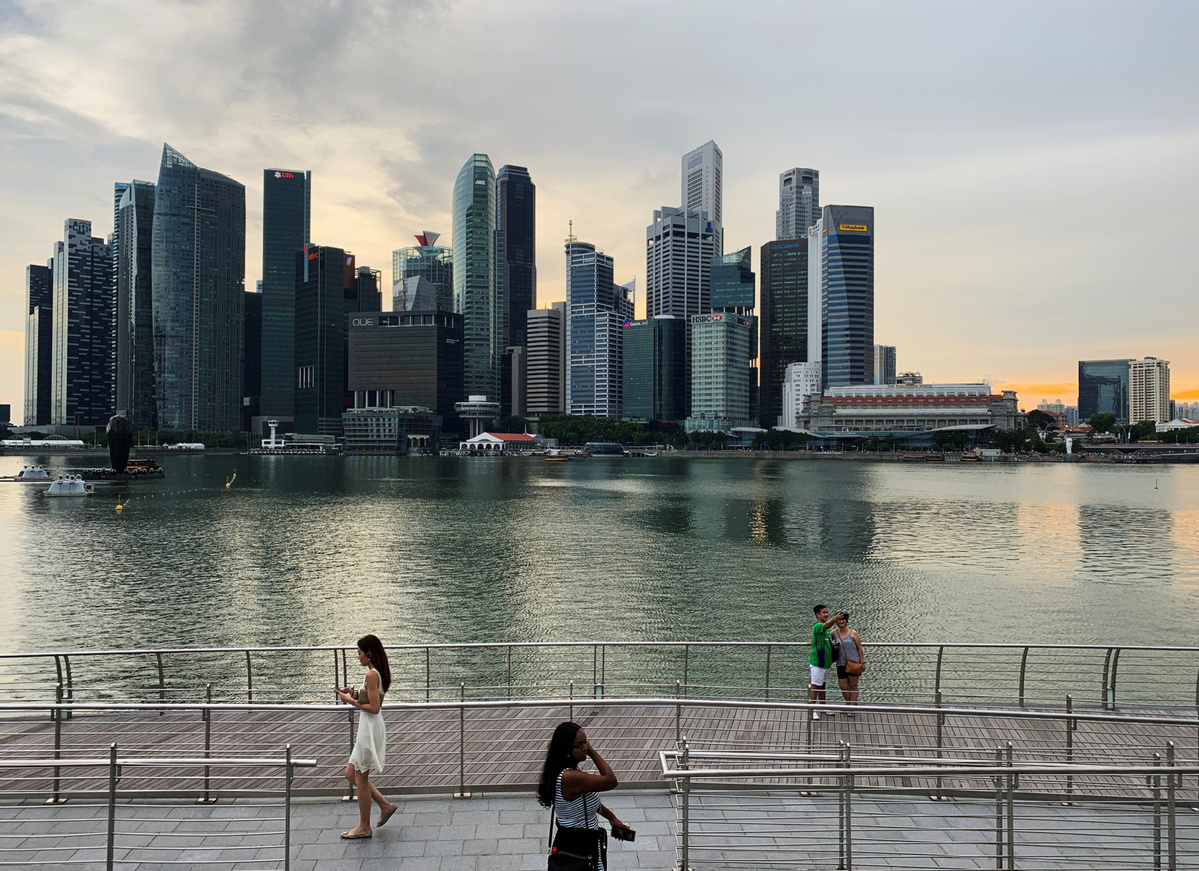
There is a need for travel bubbles given the close cross-border business and personal ties within the region, they said. Singapore's and Malaysia's move to open a reciprocal green lane on Aug 10 is seen as a guide for other member countries of the Association of Southeast Asian Nations.
Singapore and Malaysia are the first ASEAN countries to launch an intraregional travel bubble. A joint statement issued on July 14 by the two countries' foreign ministries said they agreed to establish a green lane that will enable cross-border travel for business travelers and work permit holders as long as they abide by COVID-19 prevention and public health measures "mutually agreed upon by both countries".
The measures include the visitors' undergoing a swab test and presenting an itinerary. The two countries also agreed to announce the requirements, health protocols and application process involved for entry and exit into Malaysia and Singapore this month.
Other ASEAN countries, too, are mulling intraregional travel bubbles. Brunei, for example, has set up a committee to study proposals for a green lane with neighboring countries.
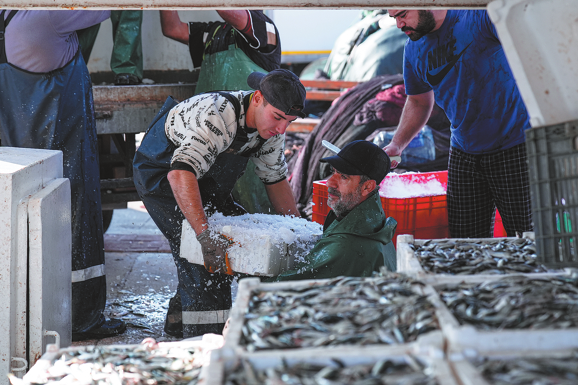
Thailand said on Wednesday that it will allow more than 100,000 migrant workers from Laos, Myanmar and Cambodia to gradually enter the country, but they will be tested for the coronavirus upon arrival.
Jeremy Lim, director of global health at the National University of Singapore's Saw Swee Hock School of Public Health, said the Malaysia-Singapore green travel lane is one way to reopen travel within ASEAN.This will open a path to expand from bilateral to multilateral travel arrangements, he said.
"There is so much interaction across ASEAN in terms of economic, societal and familial relationships. Hence there are clear costs to all countries with border closures."
Cross-border movements can complicate contact tracing, testing and isolation procedures, he said. But he believes this can be resolved if the countries synchronize COVID-19 prevention and public health measures.
He cited Singapore's and Malaysia's agreement, and noted that the two countries' synchronization process will be "highly iterative". Both countries will be sharing their respective data, insights and experiences to learn from each other. "It might look messy, but there is no choice. Every country is learning and evolving with new knowledge," Lim said.
Sumit Agarwal, Low Tuck Kwong Professor at the NUS School of Business, said a travel bubble "won't help much economically, but it will be good for people".
Free movement
Agarwal said easing business travel among a few countries will not contribute significantly to GDP growth. However, partially reopening borders will at least allow Southeast Asians to move freely, allowing them to reconnect with their families.
Early this year ASEAN countries closed their borders to control the COVID-19 outbreak. But while this measure helped the region limit the number of COVID-19 cases, it also came at a huge socioeconomic cost. The border closures choked investment flows, slashed tourism receipts, drove out migrant workers and kept families apart.
The huge socioeconomic cost of border closures attests to the interconnectedness of ASEAN countries. There were nearly 50 million intra-region arrivals in 2018, representing about 47 percent of total arrivals, according to the ASEAN Statistical Yearbook 2019.
Southeast Asian citizens have also studied and worked in each other's countries, resulting in close personal ties, such as in the case of Singapore and Malaysia. Each day, more than 450,000 people cross the land bridge that connects the city-state with the southern Malaysian city of Johor Bahru, making it one of the world's busiest land borders.
ASEAN leaders have recognized the ties that bind the region. In a statement issued after their 36th ASEAN summit in June, leaders called for the "interconnectedness in the region by facilitating to the extent possible the essential movement of people, including business travel, while ensuring the safeguarding of public health in line with our efforts to combat the COVID-19 pandemic".
Chanchai Tanatkatrakul, principal for the Thailand office of the global consultancy firm Roland Berger, said creating travel bubbles is one way for an ASEAN country to "slowly and confidently reopen" its borders.
"The first step is to test the travel bubble and to see if this can be done. We can't rush this," he said, noting that the entry of just one infected traveler "can leave a lot of pain in society".