US tariff policies pinch consumers, expert says









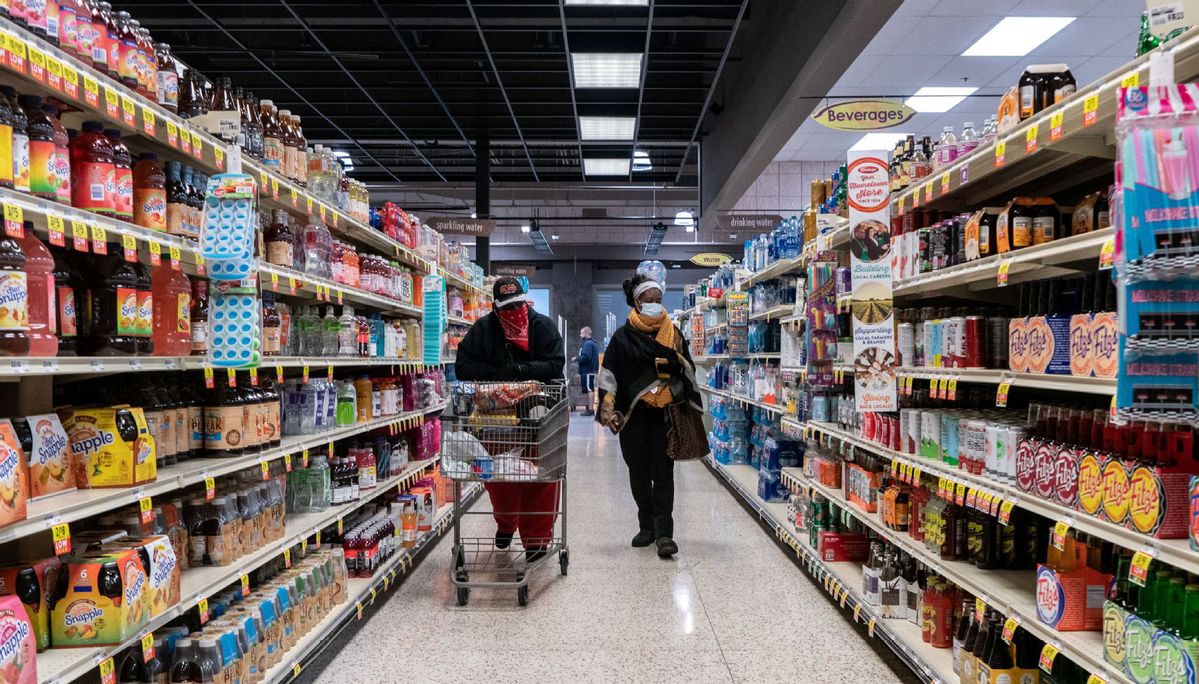
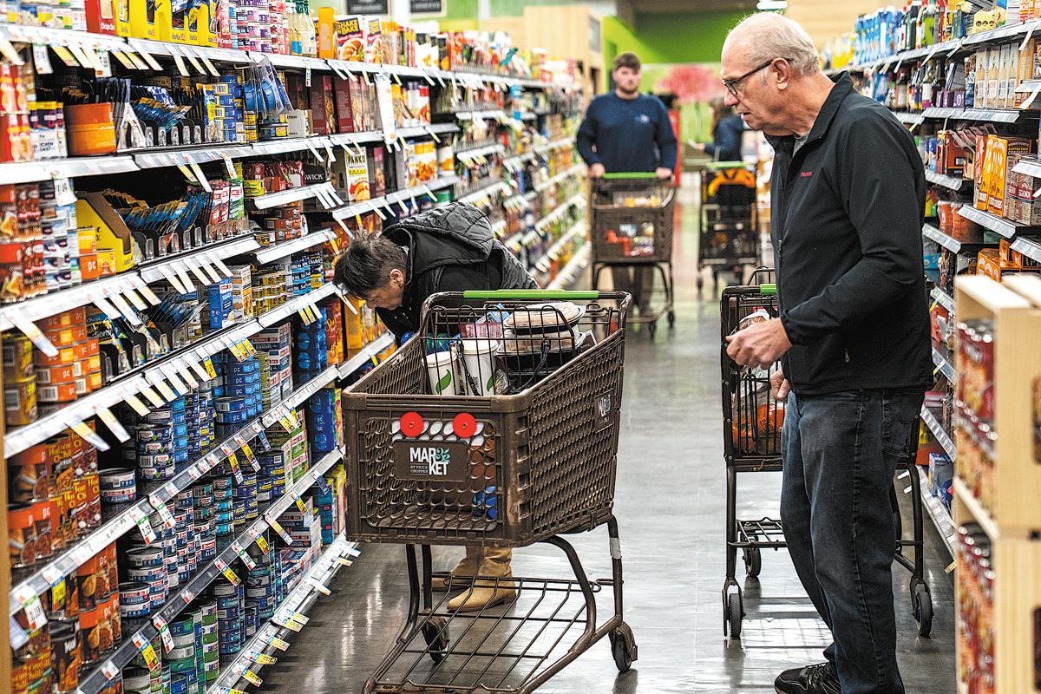
From solar panels to washing machines and personal protective equipment, Americans are paying much more than they otherwise would have because of the Trump administration's trade policies with China, according to an international trade policy expert in California.
"The negative trade policies that the US has been imposing on China for the last couple of years have come back to bite us," said Jon Haveman, executive director at the National Economic Education Delegation, at a recent webinar hosted by World Affairs Council of Northern California.
US trade policy has been generally in favor of protectionism for the past three-and-a-half years, beginning with the imposing of safeguards to protect US industries, including solar panels and washing machines, said Haveman.
The government said other countries were selling such products in the US below cost, so the US needed to impose duties on those goods in order to prevent injury to domestic industries, according to Haveman.
As a result, the price of solar panels has increased, which means that "fewer people are going to be installing solar panels on their roofs, and the solar panel installation industry really took it on the chin," he said.
In 2015, the price of solar panels was coming down consistently until the tariffs were imposed, Haveman said, adding that with the extra tariffs, prices jumped and stayed significantly higher than the pre-tariff level.
US consumers ended up paying $236.5 million more for solar panels than they otherwise would have, and they bought fewer solar panels, according to Haveman. In addition, fewer people had jobs installing solar panels, he said.
"So we may have protected the very limited solar panel production industry in the United States, but it came at great cost," Haveman said.
When tariffs were imposed on washing machines, the increase in the price of combined washing machines and dryers was greater than the size of the tariff, according to Haveman.
That means a lot of benefit that the consumers could have gotten from buying washing machines was taken away from them by the government in the form of tariff revenue, he said.
"Our president made a big deal about how the Chinese would be paying the tariffs, but that turned out to just not be the case, because it was paid entirely by American consumers," he said.
Beginning in about July 2018, the Trump administration imposed multiple rounds of tariffs on virtually all goods from China: the first round on about $34 billion worth of Chinese imports, the second round on $16 billion, and the third round on $200 billion.
The trade war increased US tariffs on Chinese goods by an average of 8.5 percent to 12.4 percent, which is "essentially a tax on our consumption of Chinese goods in the amount of 12.4 percent", said Haveman.
He also said the tariffs on Chinese steel and aluminum didn't do all that much to help the steel and aluminum processing industry in the US, and instead hurt all industries in the US that use steel and aluminum.
"There's no such thing as a free lunch. Tariffs may create jobs here, but they will also take jobs away (elsewhere in the country)," he said.
"Employment is determined by a wide variety of other things that have nothing to do with trade."
Haveman also said the US trade deficit isn't driven primarily by trade and goods, but by the US federal budget deficit. "So it's really, really hard to do anything about the trade deficit, unless you work hard on the federal debt and deficit," he added.
"We may have reduced our trade deficit with China a little bit. But we did it at the expense of reduced exports, we did it at the expense of higher prices for consumers, higher prices for producers," Haveman said.