Africa needs to improve continent's integration









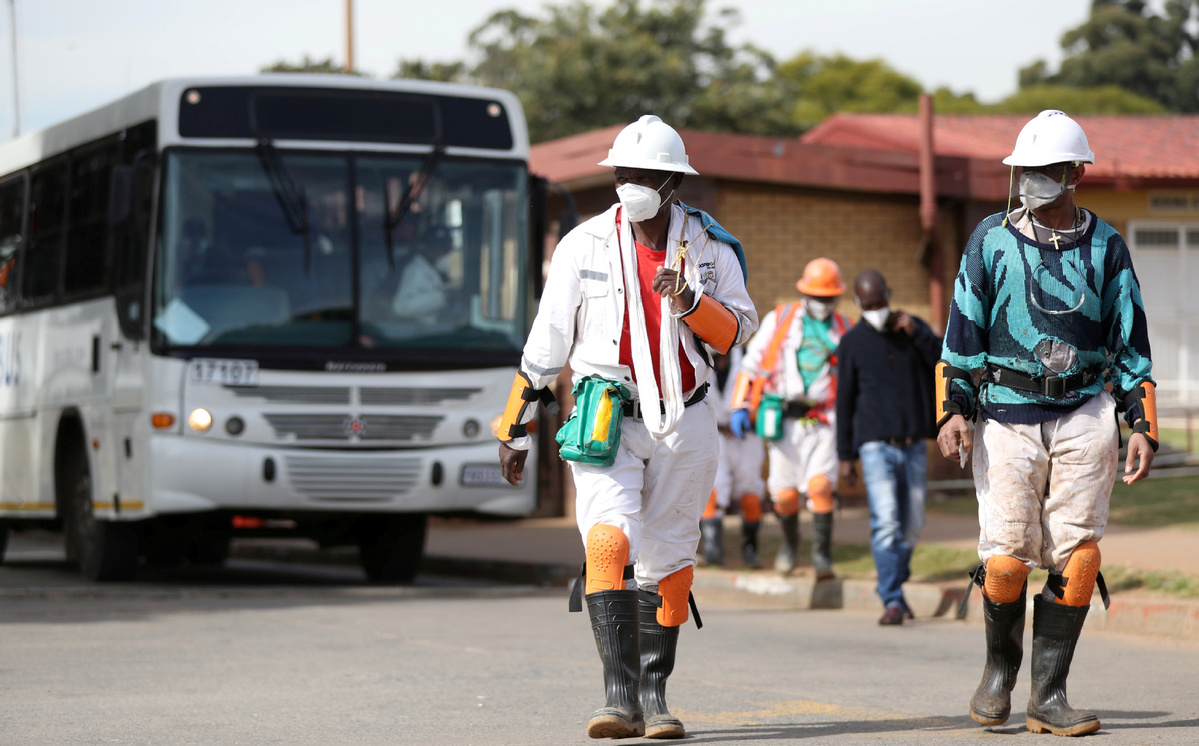
Historically, African countries have suffered from pervasive corruption and illicit financial flows, which have continually deprived them of much-needed development funds, and eroded confidence and trust on the world stage.
Furthermore, the institutions that have been established to ensure transparency and accountability are lacking the leadership and political goodwill needed to effectively discharge their mandates.
However, according to the United Nations Conference on Trade and Development's "Economic Development in Africa Report 2020", African countries need to build greater cooperation under the African Continental Free Trade Area to curb corruption and illicit financial flows. In addition, to create more resilient African economies, Africa needs to take action on deeper integration.
If regional integration and cooperation within the free trade area are deepened on the African continent, resilient economies will have a chance to rebuild in post-pandemic times. Implementing the free trade area can effectively help lessen the challenges coming out of Africa's dependence on world markets for trade. This means that implementing and facilitating intra-Africa trade will lead to a reduction in Africa's vulnerability to international market forces in the future.
According to the 2018 edition of African Economic Outlook, Africa's total exports can be boosted by 29 percent and intra-continental trade by 81 percent through the free trade area. Most of the gains will be accrued in the manufacturing sector.
To successfully implement the free trade area, very important financial resources need to be in place to help address the infrastructure bottlenecks, which in turn will increase investment opportunities in the manufacturing sector.
Access to operational cash flows from government levies and small and large businesses should also be addressed. Illicit financial flows have become a hindrance in achieving this, since they starve the continent of much-needed capital for much-needed intra-continental infrastructure that would easily integrate countries on the continent and increase trade between African countries.
Illicit financial flows are also a huge impediment to Africa's economic success. UNCTAD estimates that Africa could save $88 billion (3 percent of its GDP) every year by curbing illicit financial flows. If such flows were prevented, it would be easier for Africa to implement better integration in the free trade area.
Illicit financial flows are most pronounced in the natural resources extraction sector. The amount of these flows has increased yearly from records given in 2018. The problem has been propagated by the impact of COVID-19. With a key focus on implementing measures to curb the rise of COVID-19, implementation of the free trade area has taken a back seat due to the dilemma across the continent on whether to concentrate on the area or focus on COVID-19 recovery strategies. The flip side is that, to achieve strong post COVID-19 African economies, the free trade area will play a major role.
If illicit financial flows are curbed, there will be a net increase in the capital allocated for reviving businesses and infrastructural development, and this will increase each country's capacity to accommodate other markets in the free trade area. It will also provide governments with the extra fiscal space to support the private sector's recovery from the impact of the pandemic. For this reason, African governments should operationalize the free trade area and prioritize curbing illicit financial flows.
As African countries recover from the impact of the pandemic, there is a need to reinforce policy collaboration. This will help in the implementation of the free trade area. The development challenges brought about by illicit financial flows and corruption can also be curbed through cooperation among African authorities, improving trade links among other countries, and increasing the operation of financial regulatory bodies.
According to UNCTAD's "Economic Development in Africa Report 2020", the 2030 agenda for sustainable development to curb illicit financial flows should revolve around social and ethics activities, economic activities, strengthened institutions and the environment. If the African countries formulate strategies and policies around these sectors, illicit financial flows will be minimized. As a result, the integration and the implementation of the African Continental Free Trade Area will be possible, and hence an increase in the resilience of Africa's economy.
Thus, African countries need to strategize and set goals to curb corruption and prevent illicit financial flows to enjoy the benefits of a successful integration process.
James Muiga is a senior research fellow at the Africa Policy Institute, a Kenya-based think tank. The views do not necessarily reflect those of China Daily.