Social media multitasking could affect attention span









Back in 2013, the National Centre for Biotechnology Information in the United Kingdom made a worrying claim. The explosion of social media use across, at that time, predominantly younger generations, had led to a study concluding that the average human attention span had dropped from 12 seconds in the year 2000, to just 8 seconds in 2013.
The human brain is designed to work in a chaotic world, and reining it in to focus exclusively on one issue, even fleetingly, is a bigger challenge than it seems.
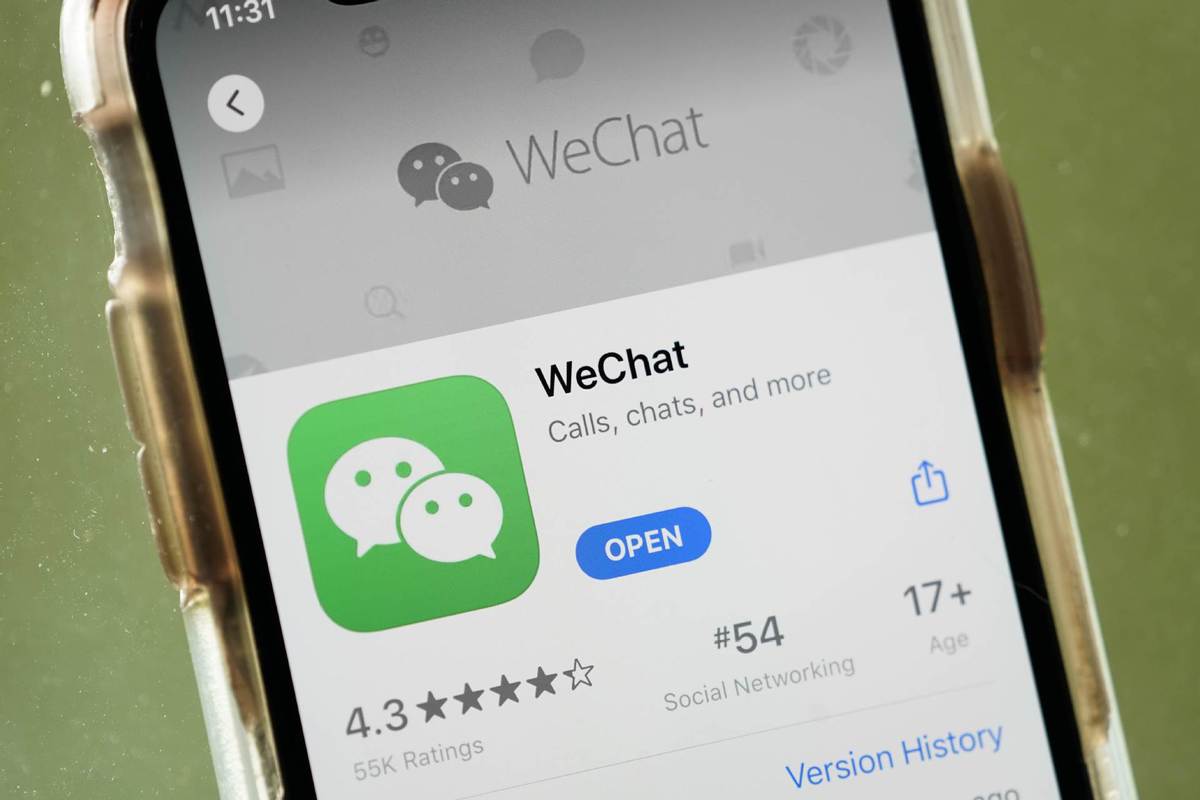
Fast forward to 2021 and the world of super apps including Instagram, WeChat and TikTok dictate how we interact socially in ever more complex ways. Undoubtedly, such technology has made life better for billions of people; however, we should be aware of striking a balance to ensure that our minds have room to focus on other aspects of our lives.
This may have significant implications for children, especially, who are more susceptible to bad habits early on in their development. Many psychologists are of the opinion that attention spans in children as young as 4 are reliable indicators of math and literacy skills in later life, even into early adulthood.
It is important, however, to stress that social media technology should not itself be demonized. Particularly during lockdown, online learning platforms have been a lifeline for children, and have helped people stay connected with well-maintained personal relationships.
The issue is finding a balance to ensure that impulsive media multitasking does not cause attention deficit-related habits.
Behaviors such as mindlessly scrolling through Instagram or TikTok while watching a movie are linked to difficulties in remembering things and having interrupted attention spans.
Research from Stanford University in California has suggested that such behaviors may affect what is called our episodic memory.
Researchers compared people's self-reported levels of media multitasking alongside their scores in memory tasks in participants aged 18 to 26. Episodic memory is the type we use to conjure or explicitly state events that happen in our day-to-day lives. Alongside semantic memory, which is more conceptual (for example, the definition for what a cat is), it is a crucial factor in mental health performance in our everyday lives.
Researchers presented subjects with images of objects on a computer, and then asked them later to recall correctly if they had seen said specific objects earlier. Eye tracking technology and EEG tests were further used to monitor when their attention started to sway.
Led by Professor Kevin Madore, the study indicated a direct correlation between multitasking and impeded episodic memory according to test scoring.
"Our data supports the idea that we should be aware of how we engage with media. I think conscious awareness of attentiveness and limiting potential distractions can go a long way in memory preparedness and reducing mind wandering or mind blanking," he said in a statement. "Resisting media multitasking during school lectures or work zooms, or limiting media multitasking to set times, could be valuable. Media multitasking is becoming more prominent. We don't actually know anything about the effects yet."
In today's world that is so restricted by the pandemic, many common tasks are done online and would be made more difficult without the use of social media.
However, how we decide to use it seems to matter. With the technology still in its infancy, we are yet to fully find out the effects of utilizing such technology so impulsively without discipline.
So for now, by all means scroll away through TikTok, but take it slowly and do one thing at a time.
Barry He is a London-based columnist for China Daily.