Inoculating foreigners in China helps to promote vaccine equity









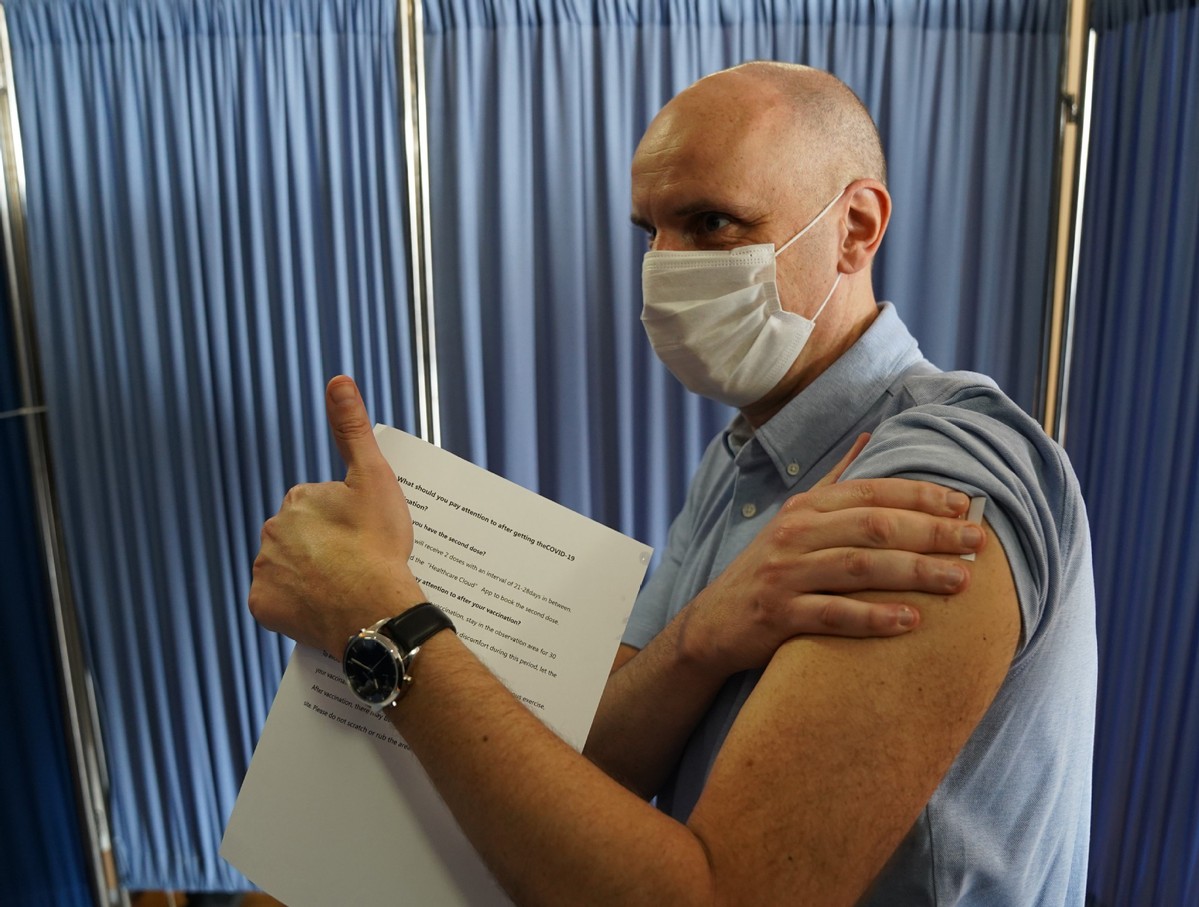
Last month, China began inoculating foreigners living in the country with COVID-19 vaccines, on a voluntary basis. A number of cities, including Beijing and Shanghai, have rolled out the vaccination program aimed at providing equitable access to vaccines. The drive runs alongside a similar initiative to promote vaccination at Chinese universities.
On-campus COVID-19 vaccination is particularly important, since China is now home to more than 500,000 students from overseas. Many of the students have since finished their studies and are preparing to return to their home countries, where a COVID-19 inoculation would be costly, especially for those who are not among high-risk groups.
Africa, which currently lags in vaccinating against COVID-19, is sending more students to China than to any other country, for basic and higher studies. According to University World News, the number of African students enrolled in Chinese academic institutions has increased from just 2,000 in 2003 to more than 81,000 last year.
The dramatic rise in the number of African students in China is due to many factors, including targeted Chinese government scholarships, affordability and the soaring quality of the Chinese education system.
Students who were inoculated at my university, for instance, were upbeat about the experience, expressing confidence in the Chinese vaccine and lauding the move by the government to extend inoculation coverage, free of charge.
Upon vaccination, African students, like other groups currently studying in China, will have the opportunity to return home knowing that they are not only less susceptible to COVID-19, but also less of a risk to the communities they will join.
The decision to extend inoculation to foreign nationals is a continuation of support that the Chinese government has extended to foreigners since the outbreak of the global health crisis.
Within campuses, for instance, authorities moved to provide essential support for students. Food, medicine, protective clothing and even counseling services were made available to students. There was also no risk of deportation upon expiration of the residential period.
By sending more vaccines to other countries than those administered at home, while also giving foreigners equal inoculation opportunities, China is leading the way in the use of medical supplies to chart a progressive and more humane path toward global recovery from the pandemic.
Vaccine equity is not only an affirmation of human rights, but also promises the most sustainable and collaborative way out of the COVID-19 crisis.
Hoarding of vaccines continues to see more people getting infected and dying around the world, when those lives could have been saved.
As long as some territories are under the spell of the virus, global recovery will remain a mirage.
Around the world, 650 million doses of COVID-19 vaccines have been administered. Africa trails others, with only 23.6 million doses given in Africa by mid-March. On the other hand, the United States had administered more than 137 million doses by the end of March.
Since the African continent is home to 16.72 percent of the global population, its rate of vaccination is disappointingly low.
Vaccine nationalism is severely eroding trust and goodwill-key elements that facilitate cooperation in international affairs.
Rich countries should look beyond their borders when searching for sustainable solutions to international afflictions such as the global health crisis. Similarly, countries that play a constructive role in widening access to vaccines should be encouraged, and not frowned upon.
The writer is a PhD student of international relations at Central China Normal University in Wuhan, Hubei province. The views do not necessarily reflect those of China Daily.