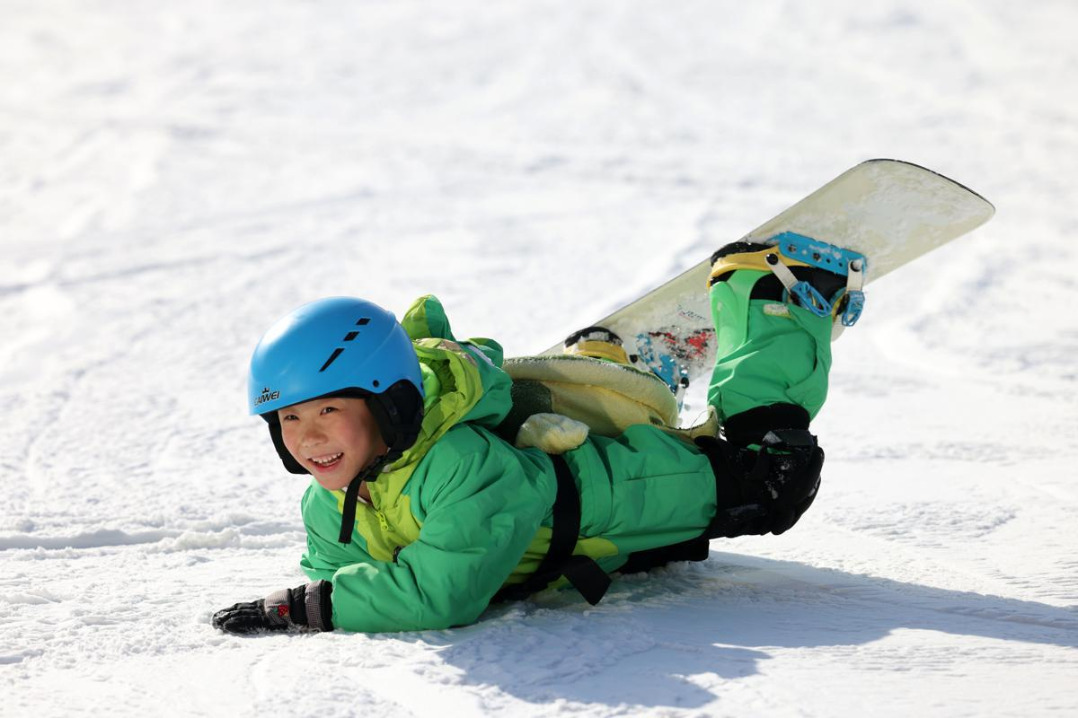
Space tech underpins stellar Games










From snowfall and cloud radars to security and safety gear, the nation's experts are leading the field. Zhao Lei reports.
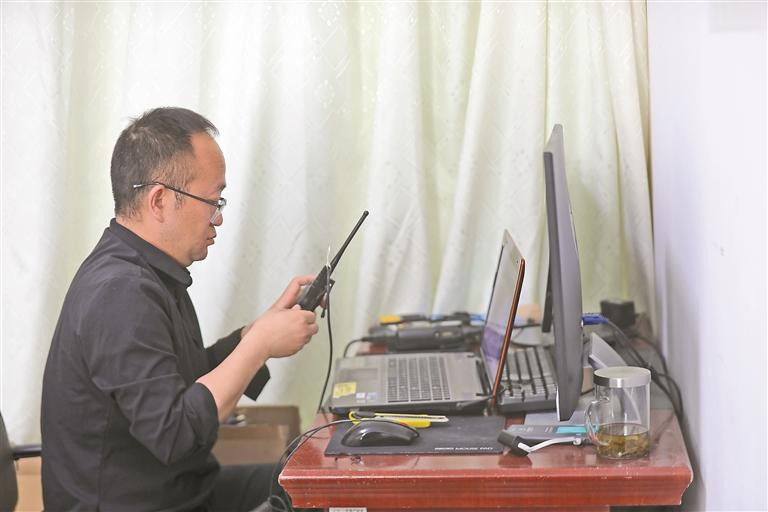
Ren Jingwei, a radar engineer at China Aerospace Science and Industry Corp's Second Academy, used to design defense technologies for the country's armed forces.
Several years ago, though, the focus of his work shifted to natural elements such as wind, snow and ice.
He is one of a group of researchers and engineers at the academy's 23rd Institute tasked with using their expertise to serve a massive sports gala-the ongoing 2022 Beijing Winter Olympic Games.
"We have situated three wind-profiler radars, two millimeter-wave cloud radars and 41 automatic meteorological stations around the Winter Games' sporting venues," Ren said.
The wind-profiler radars use phased array technology to detect wind speed and direction at various elevations above the ground, while the millimeter-wave cloud radars observe cloud and mist. Meanwhile, each of the automatic meteorological stations contains a range of sensors to collect data about factors around it such as wind, atmospheric pressure, humidity and temperature, according to Ren.

- 2,309 regulations filed with China's top legislature for review in 2025
- Chinese researchers pinpoint seed genes for enhancing food security
- Public interest litigation plays prominent role in China's governance
- 15 arrested in 1b yen robbery in Hong Kong
- Chinese lawmakers conduct third deliberation of draft national development planning law
- Multiple cities probe illegal activities in 'private cinemas'