Living in times of ads, we can only hope they are objective









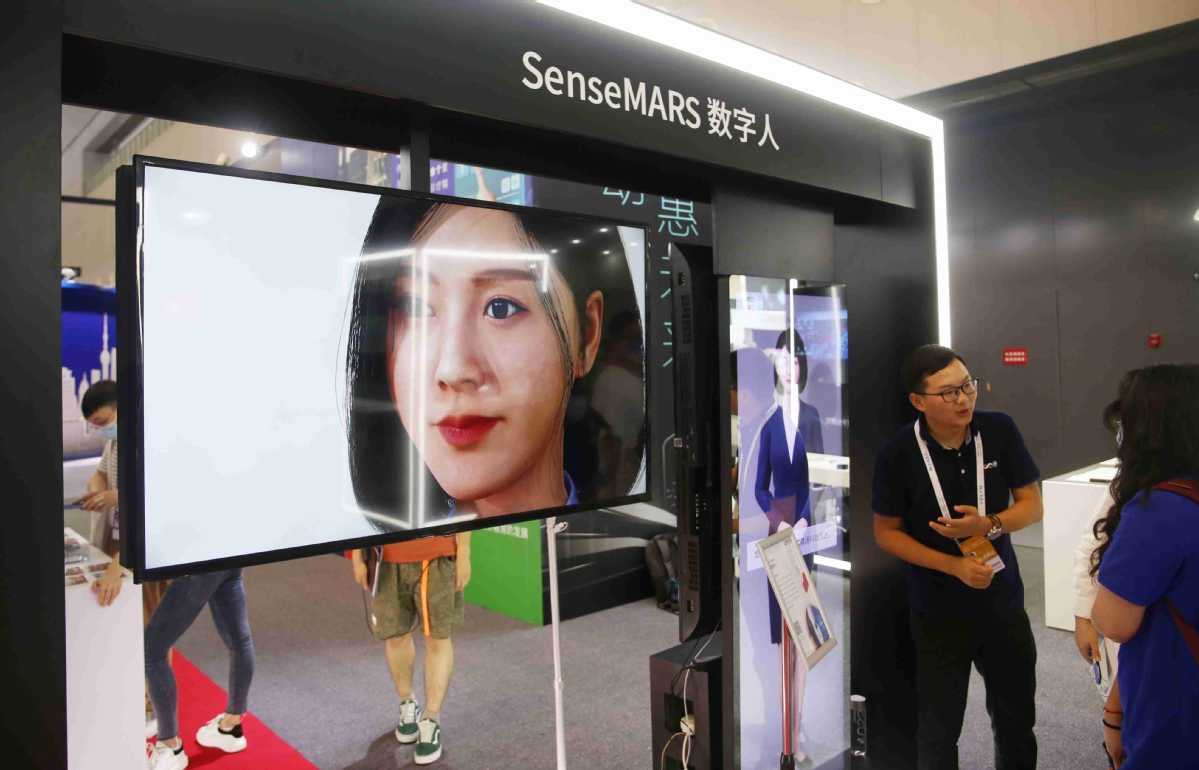
Editor's note: More than four decades of reform and opening-up have not only transformed China into the world's second-biggest economy but also led to the re-emergence of the advertising sector in the country. A veteran journalist with China Daily looks at the ups and downs of advertising in China.
Like it or not, advertisements have become part and parcel of modern life. They influence our way of thinking and our behavior, especially our purchasing decisions.
Statistics show that even amid the COVID-19 pandemic, the advertisement sector in China grew more than 20 percent last year to exceed 1 trillion yuan ($150.14 billion). We can feel the effects of huge investments in the sector when we are bombarded with TV ads or when we remove the ads on apps while trying to search for stories we are interested in.
Historians believe that advertisements first appeared in China during the Xia Dynasty (c. 21st century-16th century BC) when craftsmen made farming tools and daily appliances for marketing. For centuries, only signboards and oral announcements were used to lure customers as vividly depicted in the ancient painting Riverside Scene at Qingming Festival from the Song Dynasty (960-1279).
Advertisements largely disappeared in China from the 1950s to the 1970s when the People's Republic adopted a planned economy under which manufacturers were responsible only for production according to quotas set by the government, which saw to it that the products were distributed to different regions and sectors according to plan. This made ads irrelevant.
The launch of reform and opening-up in the late 1970s brought in some foreign investors to China and gave rise to many private enterprises which became the driving force behind the re-emergence of ads in the country. Shanghai TV is believed to be the first Chinese mainland media outlet to telecast an ad-for a Swiss watch brand in 1979. And China Daily is considered the first national newspaper to run an ad for a joint-venture hotel in 1981.
Since then, the advertising sector has been growing-by double digits in most years. For example, in 2012, it grew by more than 50 percent. Today, there are more than 1 million ad companies, which employ about 6 million people.
Like in other countries, newspapers, magazines and TV programs in China used to be the big players in the ad sector. With the development of new technologies and the popularity of smartphones-China has more than 1 billion smartphone users-advertisers have turned their attention to new channels of advertisement.
While the market share of the traditional media keeps dwindling, new media are gobbling up a greater share of the ad market. Data show that in 2020 the market share of mobile ads increased over 20 percent to reach 672.5 billion yuan, meaning it alone holds more than 60 percent of the market.
The new trend, however, has led to new problems. Since advertisers are turning to thousands of online platforms to advertise their wares, it has become difficult for market supervisors to check if the ads are in line with the regulations. And an increasing number of customers are complaining of being cheated by the ads on such channels.
Although the ad sector is growing at a rapid speed, experts warn that it should be prepared for a reshuffle. The sector is big but weak, they say. Most of the ad companies are small, with many of them being run by husband-wife duos. This makes them vulnerable against giant players that are now entering the Chinese market.
While most other sectors, such as information and communications technology, auto, logistics and even express deliveries, are exploring the global market, the ad companies seem to be satisfied with the money they are easily making in the domestic market. The lack of desire for exploring new options for expanding their business may one day force them to be acquired by, or merge with, big international players, according to the experts.
We are living in a time when we can't escape from ads. In fact, it will be difficult for us to do without ads in some situations. All we can hope is that the ads that are submerging us are objective, and not exaggerated.
The author is former deputy editor-in-chief of China Daily.
If you have a specific expertise, or would like to share your thought about our stories, then send us your writings at opinion@chinadaily.com.cn, and comment@chinadaily.com.cn.