Pacific Island nations unwilling to be pawns of Washington









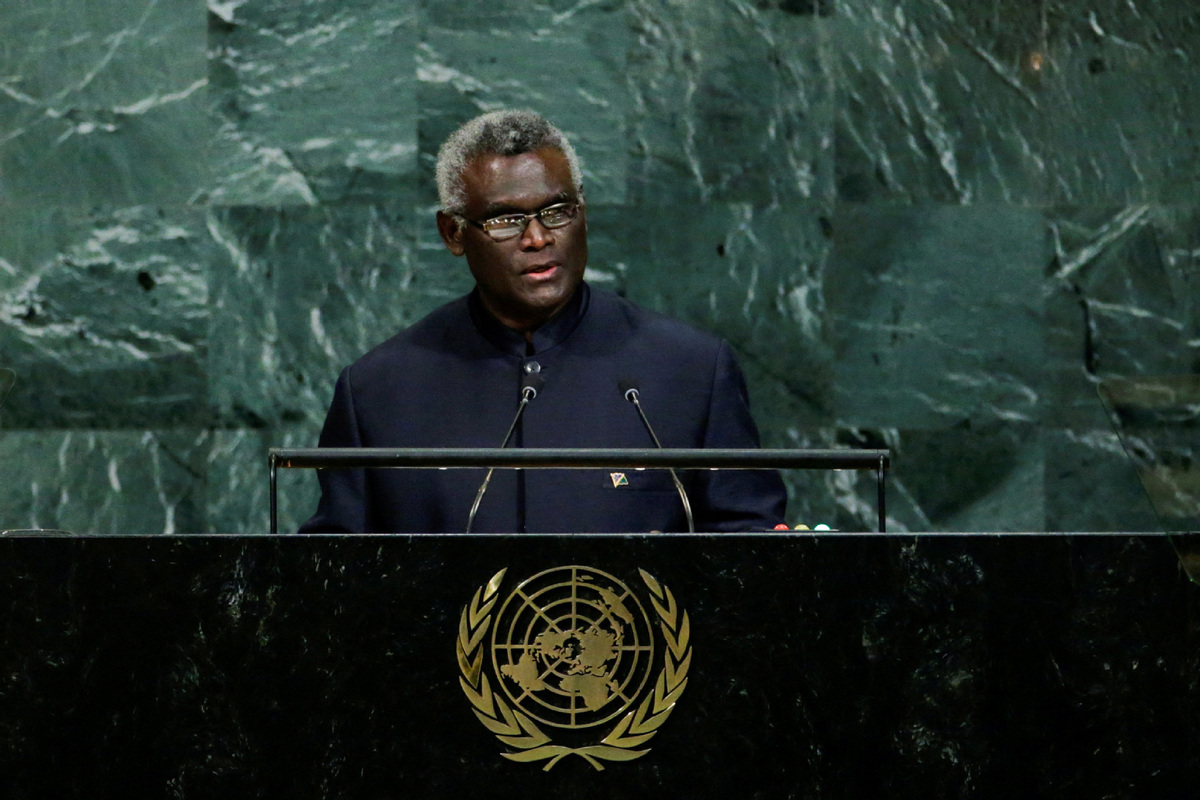
Solomon Islands Prime Minister Manasseh Sogavare was in Canberra recently on an official visit, during which he gave yet another assurance that he would never allow his country to house foreign military bases.
He was referring specifically to unfounded claims that China intends to build a naval base in the Solomon Islands. China and the Solomon Islands have rejected the allegations many times in recent months, yet, even so, the stories still circulate.
Sogavare had given the same assurance earlier, during the US-Pacific Island Country Summit in late September in Washington.
How many times does Sogavare have to tell Canberra and Washington that his country, despite its close ties with China, will not allow the island nation to be militarized?
Despite the repeated denials, the United States and its Pacific surrogate Australia continually bang this drum. Why?
The Solomon Islands is an independent sovereign state and, as Sogavare has pointed out on numerous occasions, its relationship with China is its own business and the Pacific nation does not need to be told by others whom it will do business with.
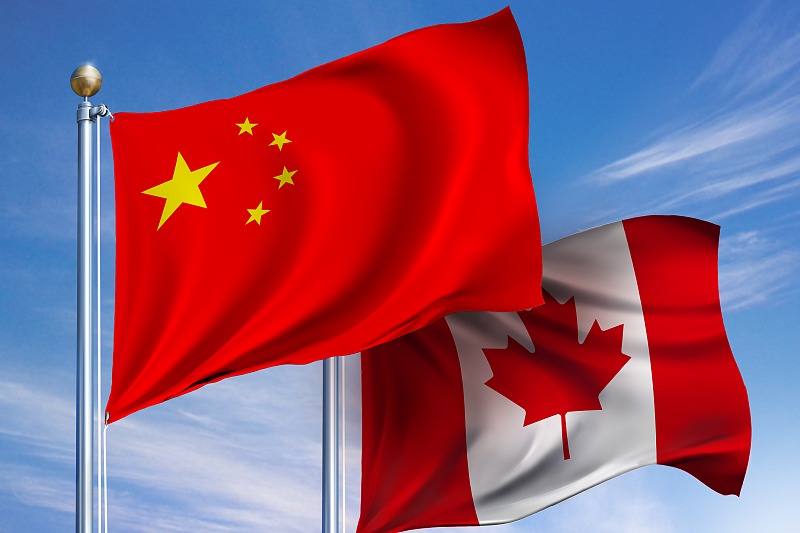
The relationship between Honiara and Beijing has been growing since the Solomon Islands government switched diplomatic allegiance from Taipei to Beijing in 2019. The relationship was cemented earlier this year when Sogavare signed a security pact with Beijing.
Since then, Washington and Canberra have been drip-feeding the media stories intended to discredit the relationship and spread unfounded claims that China wants to militarize the Pacific.
Such claims are rich coming from a country like the US, which has bases throughout the Pacific and northern Asia — mainly in Japan and South Korea.
Where was the moral outrage from the Western media when, in July last year, the US Indo-Pacific Command and the Federated States of Micronesia held talks in Honolulu, where it was agreed that a new base would be built in Micronesia, an archipelago of more than 600 islands in the Western Pacific and thousands of kilometers away from Hawaii?
The US has around 375,000 military personnel in the Asia-Pacific region. It faces growing local opposition to its military presence on Guam and Okinawa, and the people of the Marshall Islands still battle with the fallout from the US nuclear testing program after World War II.
Yet when an independent country like the Solomon Islands decides to widen its network of foreign friends, in this case China, it provokes a major backlash from Washington because China is not in the US sphere of influence.
In other words, China's system of government is not in the image of the US. And why should it be?
The US should not feel threatened by a country that has in one generation become an economic powerhouse — a powerhouse that US companies have lined up to be part of.
China has followed the rules drawn up by Western capitalism. It has entered the World Trade Organization and many other international bodies. Beijing has also become a major voice on the global stage, where it advocates peace, mutual respect and understanding.
But that is still not good enough for many in the West who feel bound to toe the US line. Successive US administrations have tried to shape the post-Cold War period in Washington's own image and prevent countries such as China from gaining the respect they deserve.
The fact that China reaches out to some of the world's poorest countries should be seen as an act of friendship rather than something that has an ulterior motive.
Yes, China has a presence in the Pacific, but that presence is far removed from building military bases. China has built strong relationships that were evident earlier this year during State Councilor and Foreign Minister Wang Yi's visit to the Pacific, where some 52 bilateral agreements were signed.
At every opportunity, Wang has stressed China's commitment to the Pacific Islands region and Beijing's intent to remain engaged over the long term. President Xi Jinping has said that "China will always be a good friend, brother and partner of Pacific Island countries, sharing common goals and standing together with them despite changes in the international landscape".
The Pacific Islands face some major challenges and can do without Western attempts to use them as political pawns. Nor do Pacific Island leaders need to apologize to Washington or Canberra every time they talk with China.
The author is a China Daily correspondent based in Sydney.