Where there is a wheel, or a wing, there is a way









Editor's note: During the past decade, China has made historic progress in transportation development, with an improved transport network, strengthened transport service capacity and deepened international cooperation, writes a veteran journalist with China Daily.
I was 18 when I first traveled by train and 25 when I first boarded a car and flew in a plane. Not because my family could not afford these comforts, but because poor transport conditions made such travel difficult for the Chinese people until two decades ago.
When China kicked off its reform and opening-up in the late 1970s, poor transport conditions were proving to be a bottleneck for the economy. Economic development required electric power which depended on coal that had to be transported from the mines in North China through railways and roads, which were far from sufficient. As a result, power outage was common in many cities.
It was then that governments at different levels decided to make improvement in transportation facilities a priority. Three decades later, transport conditions improved across the nation, but efficiency remained an issue. To solve the problem, trillions of yuan were invested under a transport modernization drive launched a decade ago.
Statistics show that from 2012 to the end of last year, 1.1 million kilometers of railway lines and roads were added in China, which is long enough to circle the equator 27 times. During the period, China invested more than 7 trillion yuan ($1.01 trillion) on building railways, laying 52,000 kilometers of track — which is longer than the total length of railways in Canada.
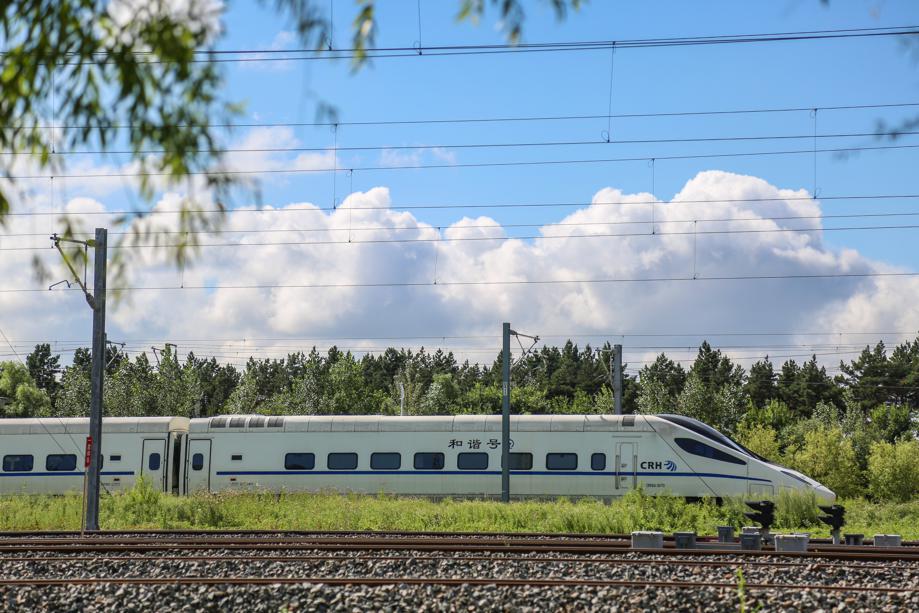
China's railway network now extends to some 150,000 kilometers, with more than half being powered by electricity and nearly one-third of it being high-speed railway constructed in the past decade or so. High-speed trains in China run at speeds ranging from 200 to 350 kilometers per hour.
Heavy investment has brought great benefits to the Chinese people — now more than 80 percent of China's 1,347 counties are reached by railways and high-speed trains can reach 93 percent of cities that have populations of over 500,000.
While trains are losing their charm in many countries, the convenience and high speed of service they offer in China is attracting travelers in droves. During Spring Festival in recent years, when Chinese people go home for family reunions, at least 300 million people travel by train.
The one-million-kilometer-long new routes that have been added in recent days include quality highways as well as paved roads zigzagging through the 500,000 administration villages. Such roadway improvements enable farmers to ship their products quickly to the urban markets, thus remarkably increasing their incomes. Such hard-surfaced country roads have played a major role in lifting millions of poor farmers out of poverty by the end of 2020.
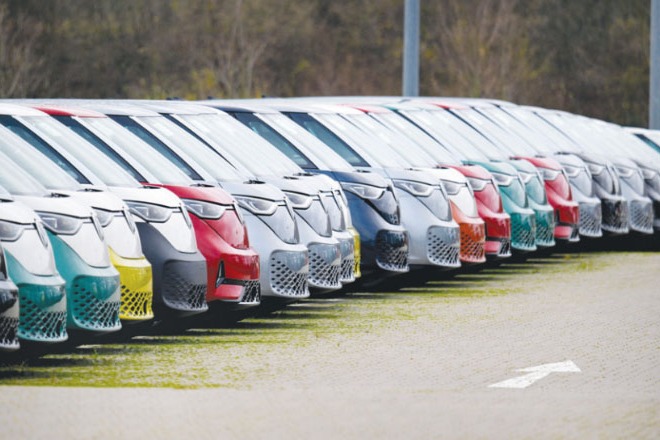
Statistics show that there are 250 million cars running on the 5.28 million-kilometer Chinese roads. Cars, a luxury few could dream of when I was young, are now becoming a household necessity. Millions of new vehicles are hitting the roads every year, increasing the demand for roads. In fact, many cities are trying to curb the rising number of vehicles in order to check traffic jams and reduce carbon emissions.
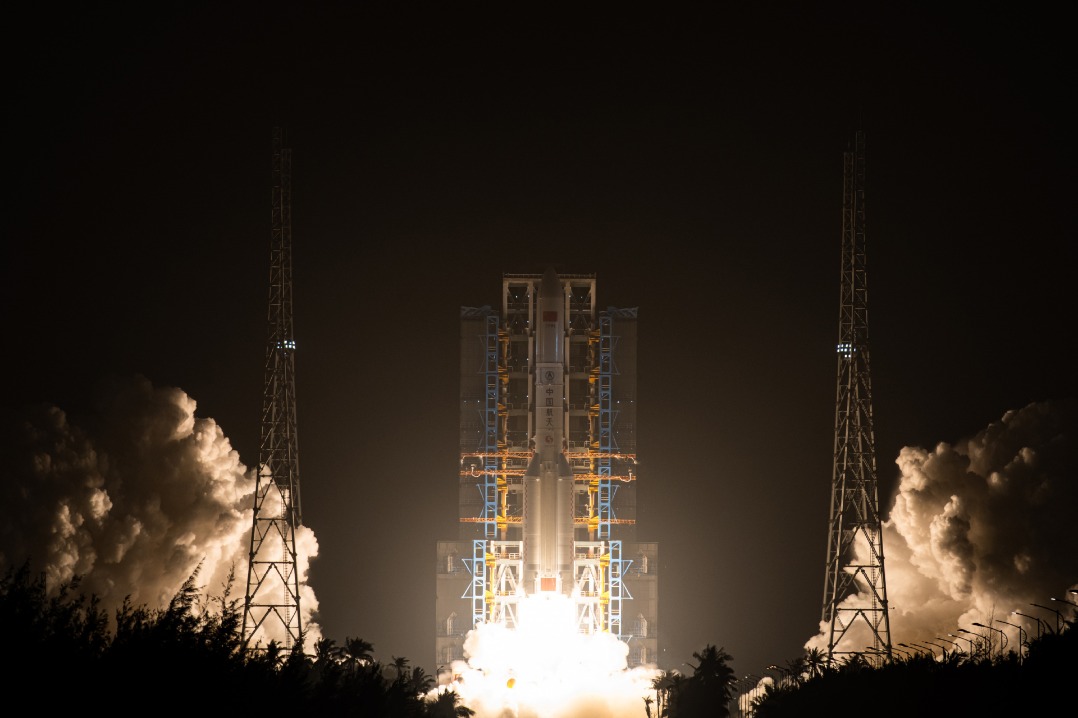
In the past decade alone, reportedly 82 airports were built, relocated or renovated, raising the total number of airports in China to 250. China's aviation network now has 5,581 air routes with more than 3,000 of them added in the past 10 years.
To compete with high-speed trains, most airlines are offering discounts that sometimes make air tickets cheaper than train tickets.
Planning a journey nowadays often means deciding whether one wants to drive, travel by train or fly. Driving offers greater freedom though it could sometimes be slow and exhausting. Trains are always on time and more comfortable but the tickets — roughly 50 fen per kilometer on the bullet train — can be expensive. Planes are fast and air fares reasonable, but just reaching the airport is sometimes too much of a hassle. And once you reach the airport, you might find that your flight has been delayed.
Difficult as the choice might be, it is a choice one feels happy to make.
The author is former deputy editor-in-chief of China Daily.