A partnership to build a multipolar world










There was a time when only partnerships between rich countries (of the Global North) carried any significance in international relations. Not anymore. Brazil and China are celebrating the 50th anniversary of the establishment of their diplomatic relations as one of the key interactions in the emerging world order.
From difficult beginnings, Brazil and China have built strong economic and political ties in several areas — from trade and investment to climate change. At the core of their common agendas are two main goals: helping each other prosper, and working together to build a multipolar world order in which power is distributed in a fair manner and developing countries get their due share and say.
In 1974, Brazil was ruled by General Ernesto Geisel, head of a conservative military regime, while Chairman Mao Zedong was at the helm of the Chinese nation. Despite their different political outlooks, both governments were pragmatic enough to recognize in each other as emerging economies and important players of the Global South. The other common factor was their similar stances on global affairs in international organizations such as the United Nations.
In the initial years of reform and opening-up, China looked to Brazil's impressive fast-paced growth in the 20th century as a source of inspiration for successfully launching development projects such as special economic zones. The Brazilian hydropower dam on the Paraná River was a reference to build the Three Gorges Dam on the Yangtze River, and the Carajás mining complex in the Amazon has worked in cooperation with Chinese miners.
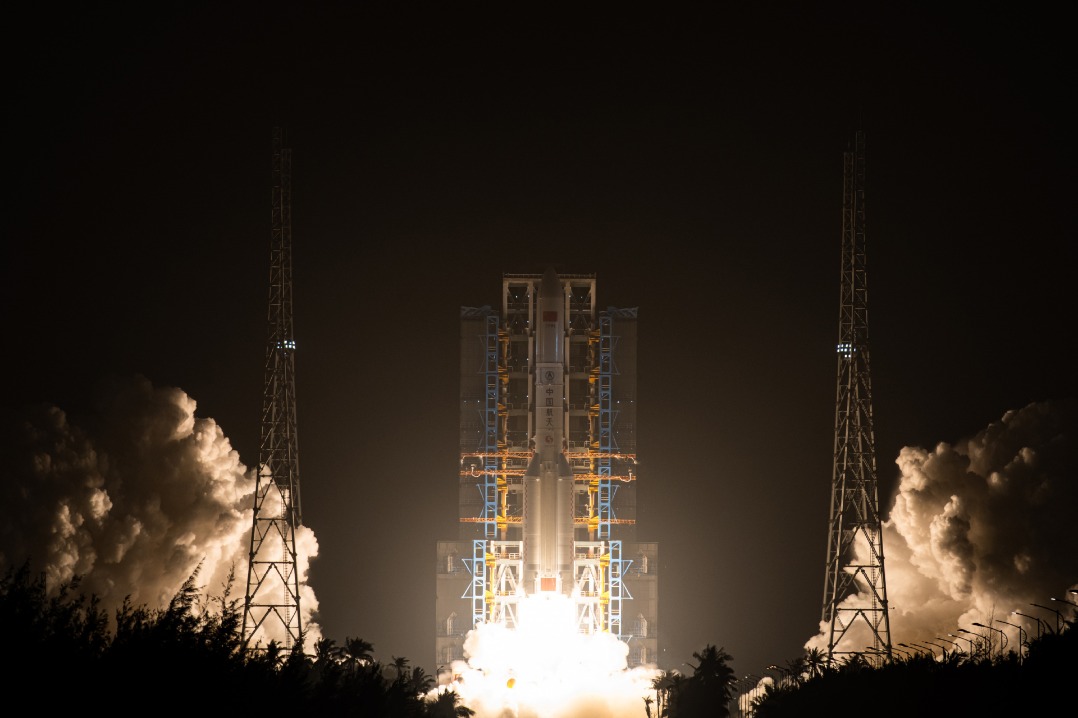
Also, working together, Chinese and Brazilian scientists and diplomats developed the innovative China-Brazil Earth Resource Satellite program to build satellites — five have been built so far.
In 1993, China and Brazil entered into a "strategic partnership", making Brazil the first developing country to do so. A common aspect of their foreign policies today, the concept of strategic partnership was new at the time. The decision to establish a strategic partnership suggested Brasília and Beijing realized their relationship was exceptionally important, beyond daily concerns. And in 2012, China and Brazil elevated bilateral relations to a "comprehensive strategic partnership".
The global commodity boom in the 2000s gave the Sino-Brazilian partnership economic muscle. A rising China with double-digit growth created excellent opportunities for Brazil's agribusiness, and the mining and oil sectors, with its exports, led by soybean, iron ore and oil, skyrocketing. In 2009, China became Brazil's largest trade partner, replacing the United States from a position the latter had held since the 19th century. Sino-Brazilian trade is still increasing, and the bilateral trade volume last year exceeded $157 billion.
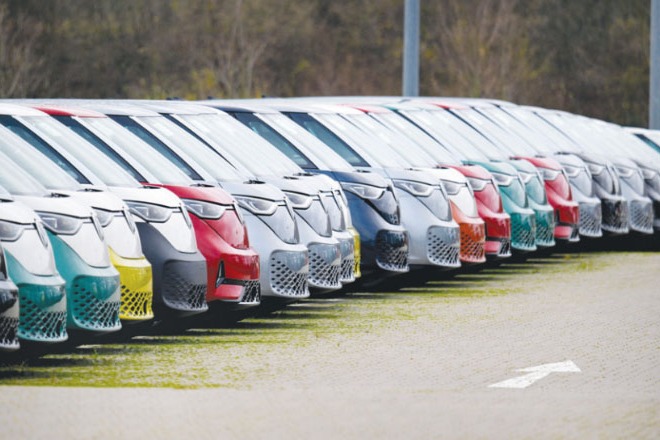
For China, Brazil, with a market of more than 200 million consumers, is one of the biggest trade and economic partners outside Asia — behind only the US and Germany. Today, Chinese companies export industrial products to Brazil and have made massive investments in the country, building infrastructure facilities such as ports and railroads, while creating jobs. Major Chinese enterprises such as the State Grid, Huawei and BYD are significant investors in Brazil, well-liked in the Brazilian market and operate without the political restrictions they often face in the West.
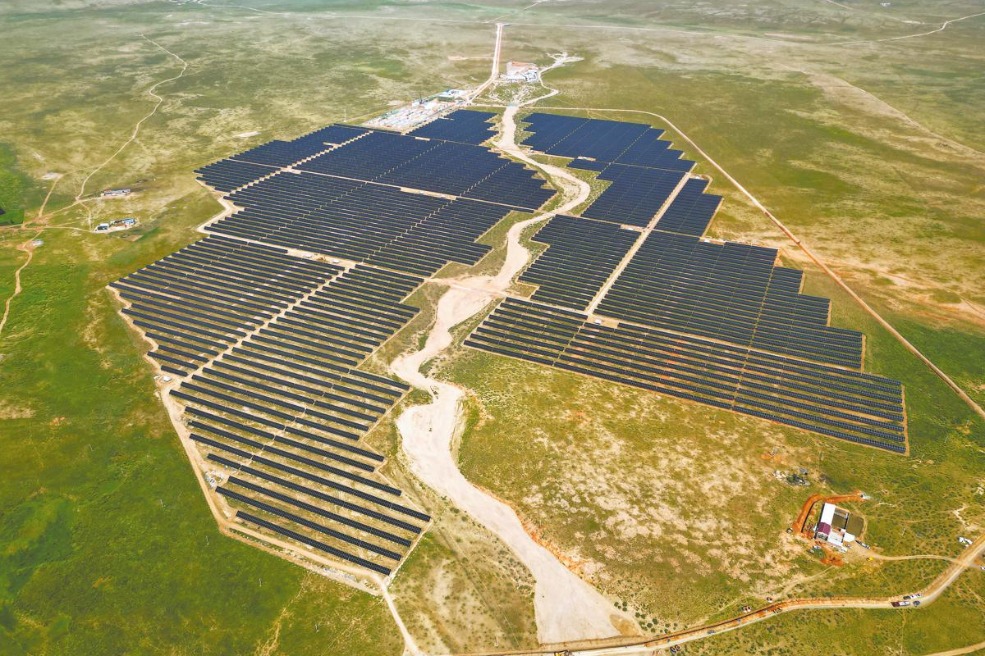
Over the past years, the Sino-Brazilian partnership has been extended to new areas, such as environmental protection. Since the Paris Agreement of 2015, Brazil and China have been coordinating their climate diplomacy and playing bolder roles in the fight against climate change, by developing green technologies and renewable energy like wind and solar power. Chinese companies have a significant economic presence in the Amazon and have been taking appropriate measures for the preservation of the ecology. For example, COFCO only purchases soybean that carry a certification proving they were not grown on farms created by illegally clearing forest land.
Besides, Brazilian President Luiz Inácio Lula da Silva and his Chinese counterpart share many values, including the commitment to build a community of the Global South, in order to promote common development and help reform the world order to make it fairer and equitable. Both leaders are also opposed to the conflicts and tensions triggered by the US-led West, including the Israel-Palestine and Russia-Ukraine conflicts.
Moreover, Brazil is recovering from a long decade of political crisis and economic stagnation, and looks to China as an able and trusted partner that can help it overcome the many challenges it faces. For Beijing, too, Brasilia is a trusted partner which supports China in economic, trade and other disputes with the United States and the European Union. Going beyond bilateral relations, Brazil and China are also partners in several groupings, including BRICS and the G20. And they will continue to support each other both in normal times and in times of crisis.
The author is a professor of International Relations and a fellow at the Center for Political and Strategic Studies of the Brazilian Navy, and author of Brazil and China in the 21st Century: The Making of a Strategic Partnership. The views don't necessarily reflect those of China Daily.
If you have a specific expertise, or would like to share your thought about our stories, then send us your writings at opinion@chinadaily.com.cn, and comment@chinadaily.com.cn.