Laying foundation for a fair and just world order










China-Africa relations are a strong evidence of cooperation and mutual benefit, and an example of the institutionalization of a new type of relationship based on common development. China-Africa relations have the potential to transform the entire Bretton Woods system, and establish a fair, just and truly representative world order based on mutual trust and international values, different from Western values which have long been dividing the world.
A fair, just and truly representative world order can be established only if all countries have the political will to promote common interests and win-win cooperation.
Sino-African relations are distinguished by the breadth and depth of their partnership, including "strategic" and "comprehensive strategic" partnership, across a wide range of sectors. The patterns of Sino-African relations continue to advance, driven by global economic and geopolitical trends.
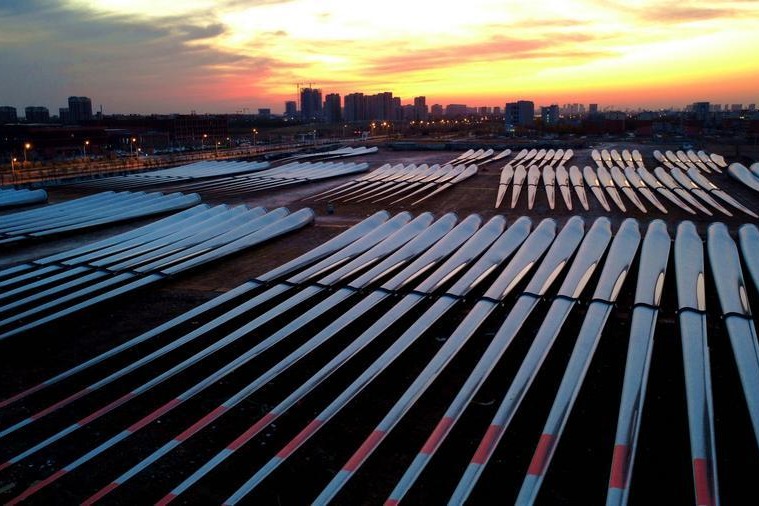
The economies of China and Africa are complementary, with Africa being rich in natural resources and raw materials and having a huge market, and China being a global leader in manufacturing, and clean energy and green products. The China-proposed Belt and Road Initiative and Chinese investments in African countries have helped improve infrastructure, boost agricultural and industrial production, and create hundreds of thousands of jobs.
Since China has comparative advantages in advanced technology, capital and technical expertise, African countries should focus on how to benefit from China's engagement with the continent and raise their competitiveness in the international markets.
The key difference between China and the United States in their engagement with Africa is that the former has adopted an open approach to its relations with African countries, which has allowed it to better understand the needs of the African people and tailor its cooperation and collaboration with Africa accordingly. This is in stark contrast to the carrot-and-stick approach used by the US and some other Western countries to coerce the African nations into serving the West's interests.
China's approach differs from other countries' approaches due to many reasons. First, unlike Western economies, China does not dictate conditions or set political terms for providing loans or aid for African countries, or for engaging in commercial activities in Africa.
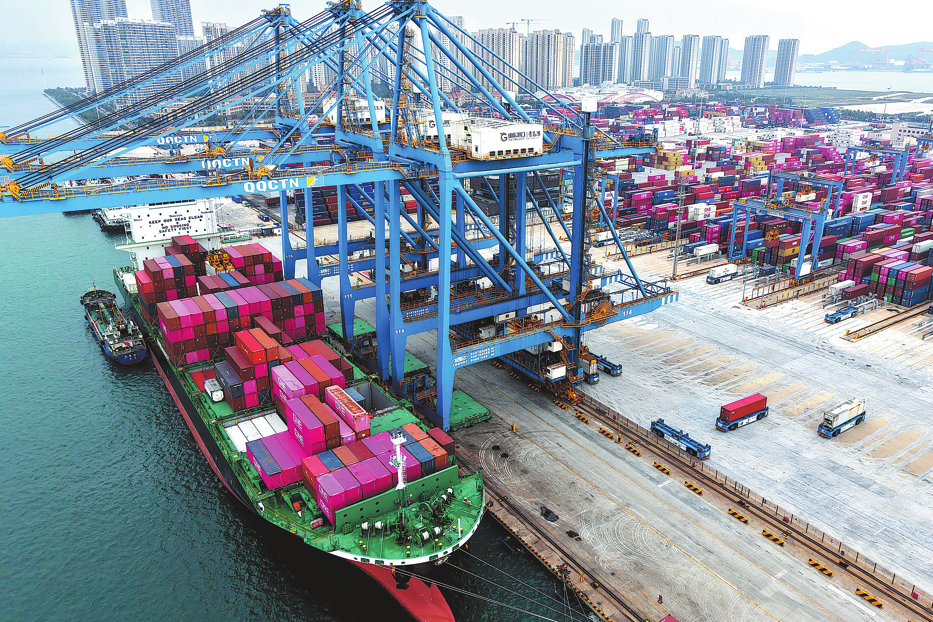
Second, China has honored its promise of establishing "win-win" partnerships with African countries, especially by investing in projects to construct and/or improve infrastructure facilities by building roads, bridges, ports, hospitals and schools. Steadily growing Chinese investments in African countries indicate that the Chinese people are responding to the development needs of African countries.
Third, China-proposed initiatives such as the Belt and Road Initiative, the Global Development Initiative, the Global Security Initiative and the Global Civilization Initiative have been promoting greener, healthier and sustainable development in Africa.
And fourth, China has adopted a unique approach to providing development aid and financing for African countries, as it mixes private grants, interest-free loans (preferential loans), and concessional loans to finance students' higher studies, and improve the agriculture and mining sectors.
The two sides, however, face some challenges, too, with the most prominent being the huge knowledge gap between them. But China has taken actions to bridge the gap by organizing training camps for talents, giving scholarships to promising students, and opening new schools and other educational institutes.
Sino-African relations, in short, are the pillars on which a new, fair and truly representative world order will be built which in turn will help build a global community with a shared future.

The views don't necessarily reflect those of China Daily.
If you have a specific expertise, or would like to share your thought about our stories, then send us your writings at opinion@chinadaily.com.cn, and comment@chinadaily.com.cn.