Tariffs bad for business, bad for US firms and consumers, and bad for all trading partners: China Daily editorial









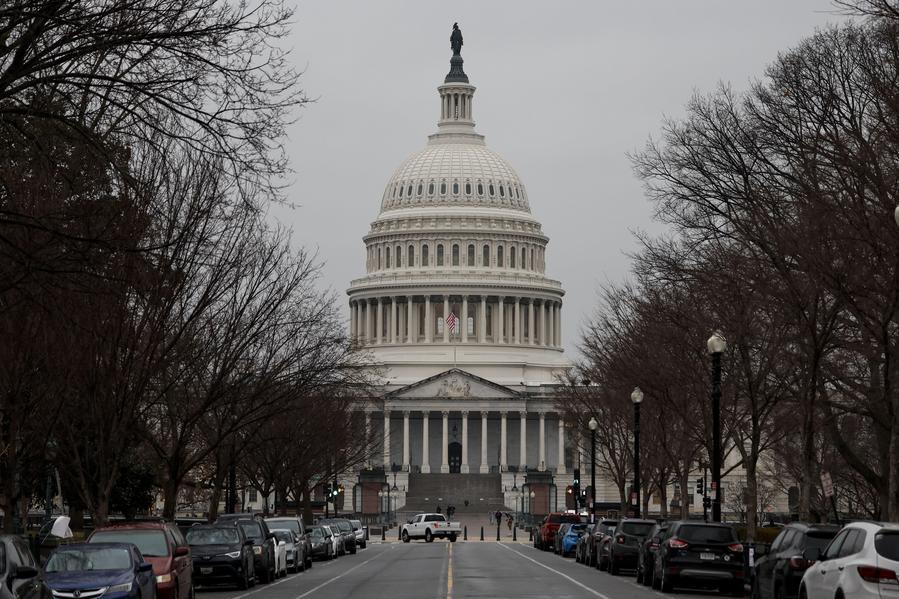
To those worrying about the uncertainties heralded by a new incoming United States administration and the president-elect's unpredictability, there is one thing at least that is predictable: He will continue wielding the baton of tariffs.
"I'm a big believer in tariffs. I think tariffs is the most beautiful word. I think they're beautiful," he told NBC in his latest interview. "It's going to make us rich."
Tariffs might be among the few things on which the former US president and now president-elect has aligned his words with deeds, and they may continue to serve as his foreign policy weapon of choice during his second stint in the White House.
Since he seems not to have become sufficiently aware of the negative impacts of the abusive use of tariffs on the United States during his first term, he may have a better chance to learn that this time around. Because as the accumulative effects of the tariffs he imposed in his first term and the subsequent ones that the Joe Biden administration has added show their actual weight on the US economy and US consumers, there is no way he will be left in the dark if he continues to rely on tariffs as a means to impose the US' will on other countries.
In fact, no assessment of the state of the US economy is credible without factoring in the role of tariffs. Any responsible analysis will find such excessive levying of tariffs to be against economic common sense, and potentially self-defeating. We have no clue as to how much the president-elect has been briefed about the current US administration's so-far unsuccessful struggle against inflation. But it certainly will be good for him and his country if he listens more broadly to what credible economists, the business community, and American consumers have to say.
At this point in time, the president-elect appears convinced those against his tariff strategy are overstating their concerns. On the campaign trail, he told US voters that tariffs would restore factory jobs, reduce government debt and allow his administration to subsidize childcare. As he said in the NBC interview, "They cost Americans nothing. They made a great economy for us". And, better still, he claimed to "have stopped wars with tariffs".
Yet asked whether he could guarantee that US consumers won't pay higher prices under those tariffs, he sounded less sure. He "doesn't believe" his tariffs will raise prices for families, but he hedged his bets by conceding, "I can't guarantee anything".
Of course he can't. But if he took a serious look at the actual consequences of the recent tariffs, he might think twice about the new ones he has proposed. There is ample evidence to let him see tariffs' nature as a "double-edged sword", which is particularly obvious in the trade war against China.
Trump's NBC interviewer, for one, reminded him that the tariffs he imposed during his first administration cost Americans $80 billion in additional sales taxes. As US figures indicate, as a result of the trade war, US agricultural income dropped by $27 billion in 2018 and 2019. Nor did tariffs on imported steel bring more jobs to US plants.
Protectionists love tariffs for their immediate effects in suppressing competitors. But there is always another side to the coin. When one levies higher taxes on producers, the latter will ask higher prices of the retailers who sell their products to offset the additional cost. And the retailers will then sell imported goods at higher prices to the end consumers to make up the price difference.
Multiple polls in the US have found the majority of Americans believe tariffs make domestic goods pricier. Economists generally project that cost to each American household is likely to be thousands of dollars a year.
The CEOs of such businesses as auto-parts company AutoZone, Columbia Sportswear, and Stanley Black & Decker, the world's largest tool company, have already decided to "pass those tariff costs back to the consumer", in AutoZone CEO's words, should the next administration enact the president-elect's tariff plan.
And large retail chains such as Target and Walmart are also expected to follow suit. After all, the planned tariffs will prove unaffordable to numerous retailers, large and small alike.