AI 'resurrection'? Let bygones be bygones









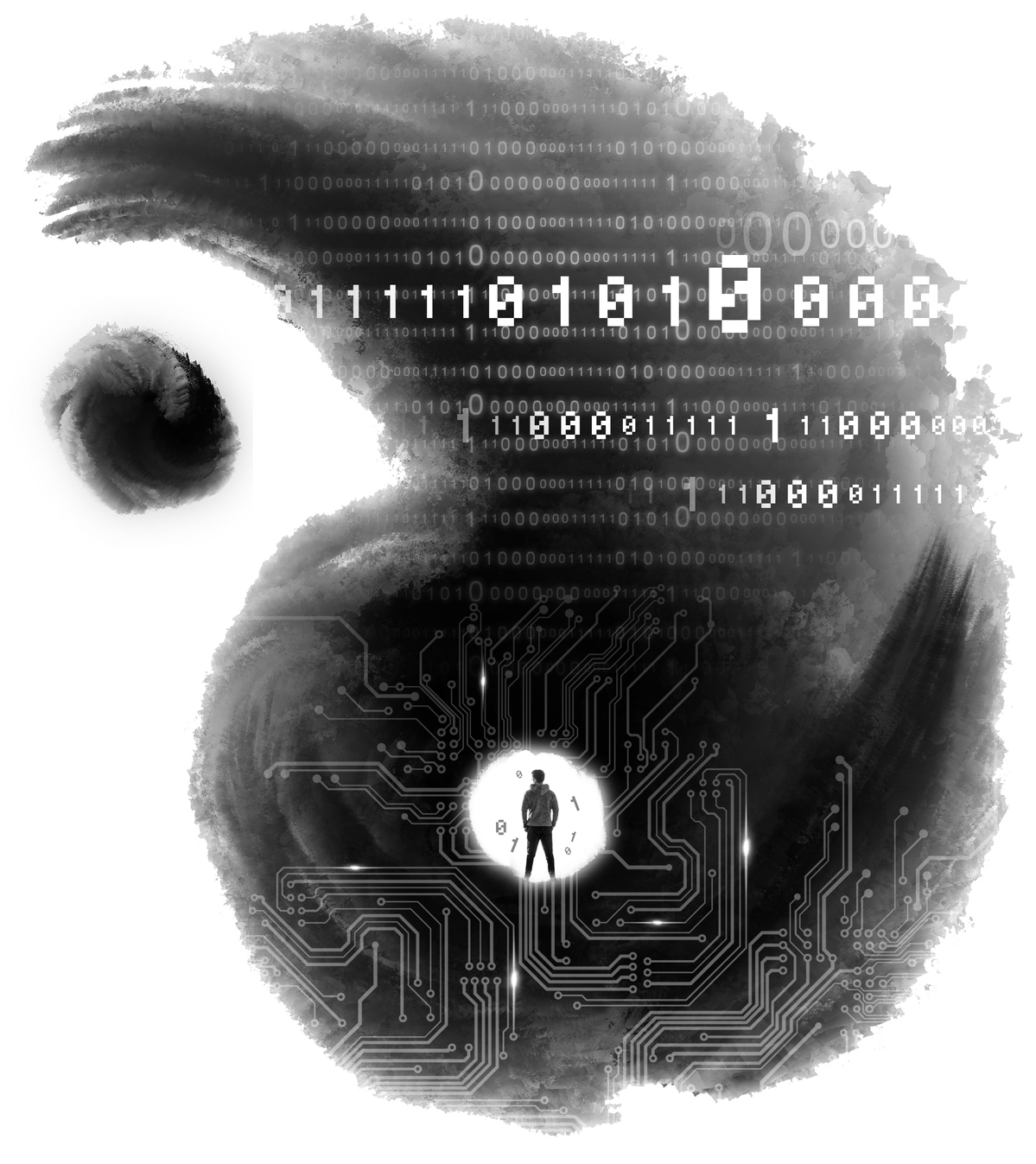
The advent of AI technology has unlocked a fascinating, yet controversial, possibility: the "resurrection" of deceased individuals. This process involves inputting a person's voice, image, and other personal data into an artificial intelligence model, which is then trained to generate a digital avatar capable of interacting as though the deceased person were still alive.
While the underlying technology is not new, the application of deep synthesis and generative AI to create these avatars raises complex questions about its legal and ethical implications, particularly regarding privacy, consent, and potential misuse.
At its core, the purpose of AI's "resurrection" technology is to preserve the memory of loved ones. However, when misused, it could result in serious violations of personal rights and lead to a host of potential dangers, including fraud and the manipulation of public opinion.
First, violation of posthumous rights. The creation and use of a digital avatar of a deceased person involves processing a vast array of personal data, including images, voices, and other private information. Misuse of this data can directly infringe on the posthumous rights of the deceased. In China, the Civil Code (Article 994) and the Personal Information Protection Law (Article 49) provide legal protection for the personal rights of the deceased, granting their immediate family members the right to control and protect their data. Unauthorized use of such data can undermine these protections.
Second, compliance risks. At the heart of AI resurrection lies the application of generative AI to process sensitive personal data, including biometric features. This raises several compliance concerns. Key issues include the sourcing of training data, the risk of generating misleading or false information, and ensuring the security of the data. If AI-generated content misrepresents the deceased or is used to deceive others, it could lead to widespread misinformation and potential harm.
Third, ethical challenges: The ethical governance of AI has become a central issue in global technology regulation. Documents like the position paper on strengthening ethical governance of AI and the Global AI Governance Initiative advocate for a human-centered, benevolent approach to AI development. However, China's ethical framework for AI is still evolving. The use of AI resurrection technology offers a critical opportunity to refine these regulatory mechanisms and ensure that AI development aligns with ethical standards.
Given the potential risks associated with AI resurrection, it is essential to establish clear principles to guide its responsible use.
The following principles should form the foundation of AI resurrection technology's application, ensuring both legal protection and ethical integrity.
Consent is the cornerstone of the ethical use of AI resurrection technology. Before creating a digital avatar of the deceased, it is crucial to produce his or her pre-written consent (if available) or, if not, the written consent of his or her immediate family members. This consent should be clear and unambiguous, ensuring that the technology is applied in accordance with the wishes of the deceased and/or that of his or her family.
And the entire process of collecting, processing, and using data must adhere to the principles of legality, necessity, fairness, and transparency as outlined in the Personal Information Protection Law. This includes safeguarding privacy, ensuring that AI interactions respect the image of the deceased, and preventing the generation of discriminatory, biased, or harmful content. Special care must also be taken to ensure that data is not used for fraudulent or malicious purposes.
AI "resurrection" technology must be legally sound. To prevent misuse, such as fraud or deceit, clear identification markers should be introduced to inform users that they are interacting with the digital avatar of a deceased person. Additionally, since such technologies are capable of collecting private user data during interactions, it becomes essential to prevent unauthorized data leakage, which could have significant personal and financial consequences for individuals.
In addition to legal safeguards, AI resurrection technology must be governed by a robust ethical framework. This framework should ensure that the technology respects individual freedoms and human dignity, and that digital avatars are not treated as legal entities. Clear boundaries must be set around where and how these avatars can be used, ensuring they do not replace or overshadow the rights of living individuals.
As AI continues to evolve, the ethical implications are becoming an increasingly significant aspect of its regulation. Laws are beginning to shift from focusing solely on technical concerns to addressing broader ethical questions. In this process, ethics are increasingly becoming the foundation for legislation, and AI governance is evolving to address these ethical challenges directly.
Looking ahead, it is crucial to ensure that AI resurrection technology is developed in a way that maximizes its positive impact while minimizing its potential harm. This will require the combined efforts of legal authorities, technologists, and ethicists to create frameworks that guide AI development in a way that benefits humanity and avoids misuse or exploitation. Only through these efforts can AI technology be steered toward becoming a force for good, aligning with evolving legal and ethical principles.
The author is a professor at the Institute for Data Law at China University of Political Science and Law and an expert at the United Nations High-Level Advisory Body on Artificial Intelligence.
The views don't necessarily reflect those of China Daily.
If you have a specific expertise, or would like to share your thought about our stories, then send us your writings at opinion@chinadaily.com.cn, and comment@chinadaily.com.cn.