Spring Festival: A cultural bridge between Pakistan and China










China and Pakistan have done well cementing their political, economic and strategic ties. Historically, inter-civilizational linkages have existed between the two nations since the Indus Age. These interactions have created cultural bonds between the two countries, which often go unnoticed.
Especially when it comes to coinciding traditional celebrations around the spring season. Let's explore how Spring Festival converges with various Pakistani celebrations linked to the arrival of "Bahaar" (Spring).
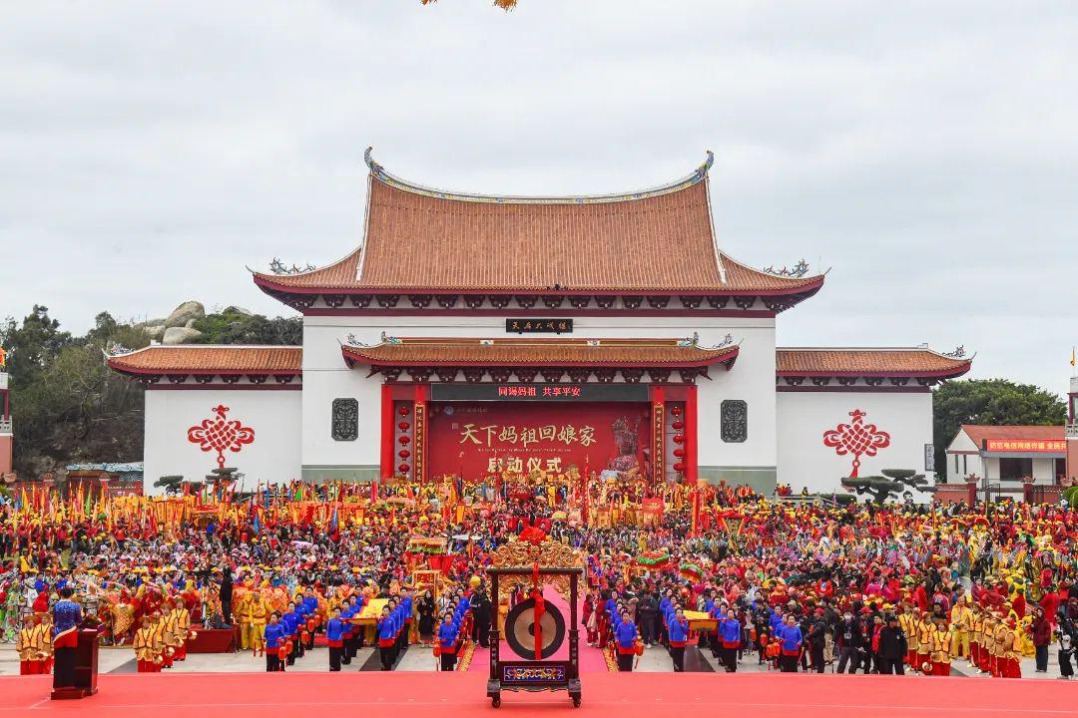
Spring Festival, marks the beginning of the Chinese New Year and serves as a powerful symbol of the cultural unity of the Chinese people. The festival, which falls on Jan 29 this year, is a testament to China's centuries-old traditions, history and national identity.
Unlike other traditions like Holi, Eid and Christmas, often rooted in religion, Spring Festival is primarily a cultural celebration that unites people beyond religious bonds. It strengthens family bonds and fosters a sense of shared joy regardless of religious affiliations.
This unique cultural celebration, with its inclusive and appealing nature, has trailed borders and influenced communities across the globe. With significant Chinese communities across the globe, Spring Festival has evolved into an international event. This global recognition was solidified when the 19th session of the UNESCO intergovernmental committee, dedicated to preserving intangible cultural heritages, added the Chinese Spring Festival to the list of Intangible Cultural Heritage of the Community in December 2024.
Despite distinct cultures and histories, Pakistan shares a long history of cultural ties with China. As China's all-weather strategic partner, Pakistan has projected a growing acceptability of Spring Festivals in the recent past. The festival is celebrated in academic institutions across major cities of Pakistan, including Islamabad, Karachi and Peshawar.
As Spring Festival signifies the new beginning and progress in China, Pakistan's traditional festivals, like Basant in Punjab and Apple Blossom Festival in Gilgit Baltistan, also depict and symbolize the renewal of communal and cultural bonds on the arrival of spring.
Basant used to be a vibrant spring festival celebrated in the province of Punjab. The festival was marked by flying kites of different colors and shapes that dot the sky. The spirit of sport and competition is also observed as the arrival of spring is announced through the Basant celebration.
Another cultural spring festival in Pakistan is the Apple Blossom Festival in Hunza. This, too, is held in spring, projecting the blooming of apple orchards in the Hunza valley. People of the region hold traditional dance and folk music performances, food and community gatherings. Along with these two, the Lahooti Melo of Hyderabad requires a special mention among the spring festivals of Pakistan, also marked by folk songs, dances, and celebrating the spirit of renewal and creativity.
Beyond understanding the cultural roots of the celebrations, Spring Festival is also a successful manifestation of cultural diplomacy. Gradually, it has evolved itself into an element of Chinese soft power. It offers a profound example of how nations can bolster their connections beyond borders by promoting cultural ideas.
Cultural collaboration with China can help Pakistan's own cultural revival. The fact that several traditional convergences between China and Pakistan can play a pivotal role in understanding each other's cultures, presents a profound opportunity for Pakistan to disseminate tolerance and revive the essence of deep-rooted cultural celebrations.
The celebration of spring festivals together can present avenues for deeper engagement not only at the government but public levels as well. Through joint efforts in celebrating these festivals, China and Pakistan can cultivate not only economic and political alliances but also a thriving cultural partnership that highlights the shared human spirit of renewal, joy and connection.
Muhammad Asif Khan is an M.Phil scholar and researcher affiliated with the Consortium for Asia-Pacific Studies (CAPS), Islamabad. The views don't necessarily represent those of China Daily.
If you have a specific expertise, or would like to share your thought about our stories, then send us your writings at opinion@chinadaily.com.cn, and comment@chinadaily.com.cn.