Xiong'an devises blueprint for smart growth









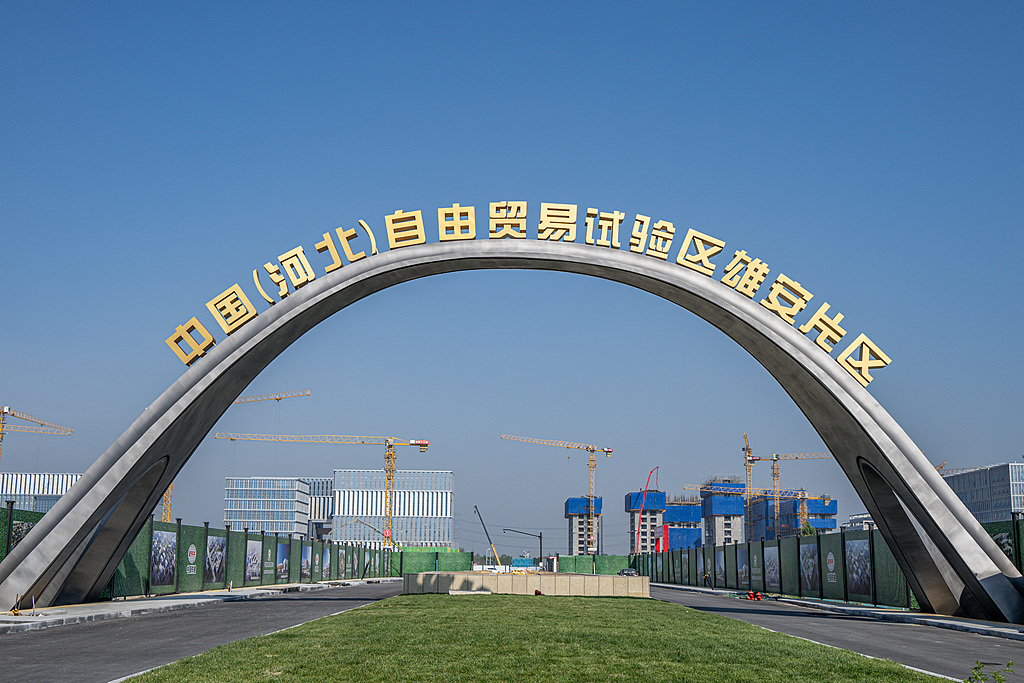
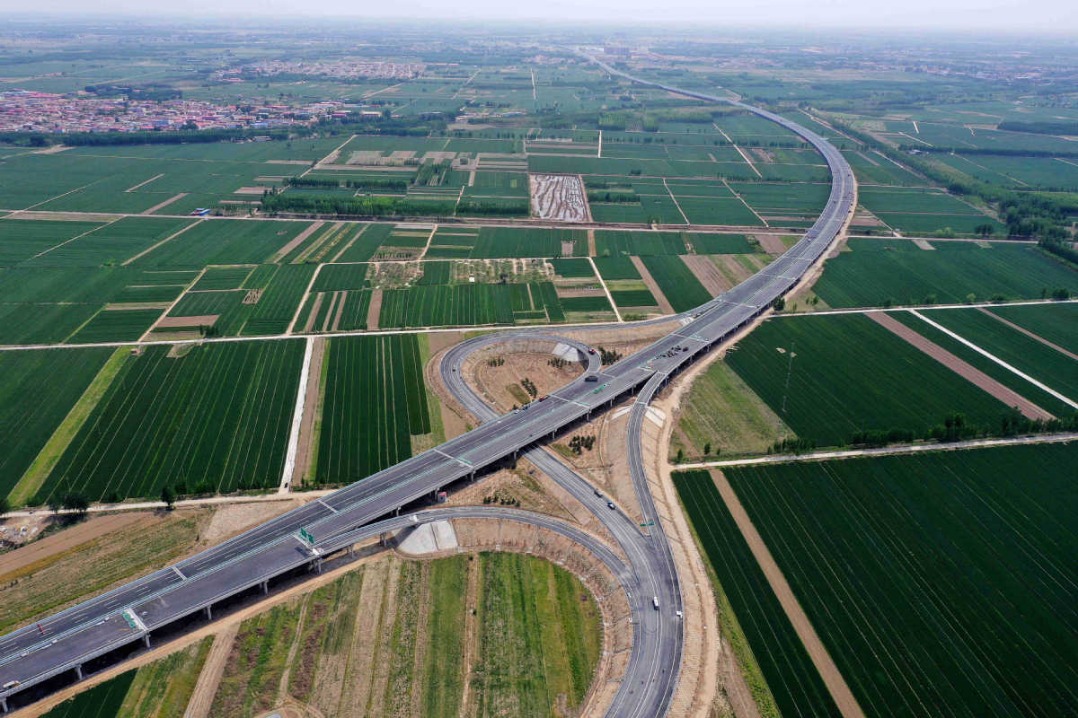
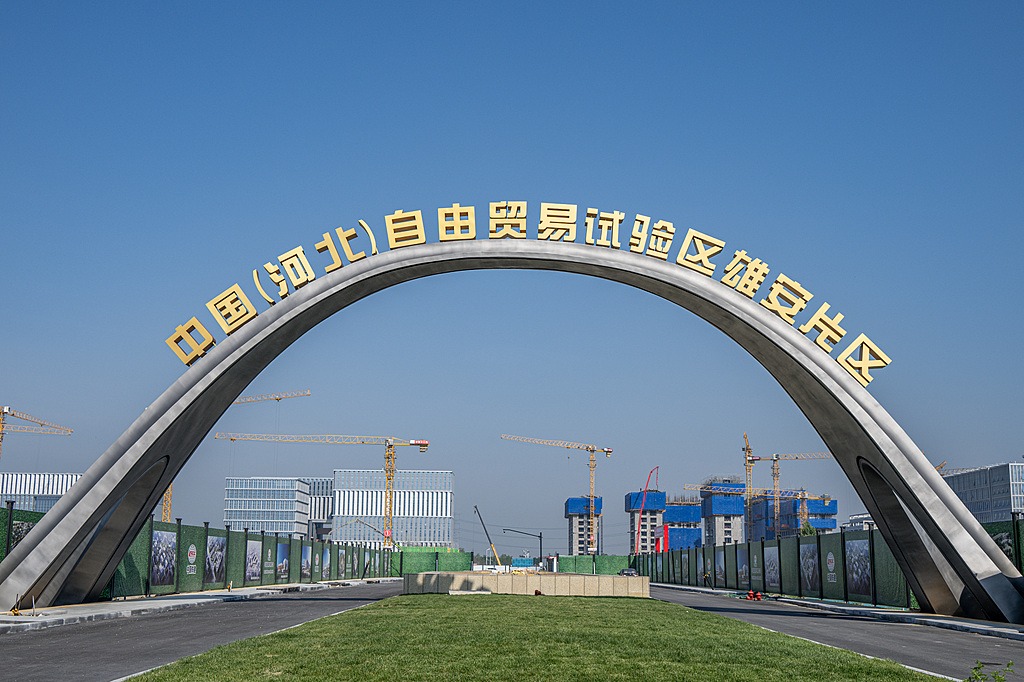
A new city, Xiong'an New Area, is rising in the heart of China. While Xiong'an may seem like just another ambitious urban development project, it is something much more than that. It's a test-bed for futuristic city-building, a response to China's growing urban challenges, and a model for how smart planning can address the pressing issues facing cities worldwide.
Over the last eight years, under the leadership of President Xi Jinping, Xiong'an has evolved into an innovative experiment aimed at easing the pressure on Beijing. It's a city for the 21st century, designed not only to relieve Beijing of its non-capital functions but also to address deeper issues of urbanization, economic inequality, and administrative inefficiency. The lessons learned here will likely serve as a template for other countries grappling with similar urban and regional challenges.
Xiong'an's construction is not just about solving Beijing's overcrowding problem. The city's founders have a larger goal in mind: to create a new type of city, one that will be environmentally sustainable, technologically advanced, and socially inclusive. Based on this vision, the city is tackling some of the most common yet complex issues facing expanding cities around the world, including pollution, inefficient infrastructure, and the growing gap between developed and underdeveloped areas.
While other regions continue to expand their cities following outdated models, Xiong'an is devising a new blueprint, a blueprint that focuses on creating a livable, sustainable environment.
A key feature of Xiong'an's development is its embracing of smart technology. Whether it's managing traffic or providing government services, the city is designed to integrate high-tech solutions into every aspect of daily life. Take transportation for example. The China Xiongan Group has partnered with China TransInfo Technology to create a smart traffic system, which uses real-time data to optimize traffic flow and minimize congestion. The "Kunchao Shuangzhi Intersection 3.0" system, which has already been trialed in Beijing, is now being implemented in Xiong'an. The idea is simple: use technology to make life easier, safer and more efficient.
The system combines city management functions, helping local authorities monitor everything, from traffic flow to urban cleanliness. The goal is to make the city function like a well-oiled machine, with technology seamlessly working behind the scenes to improve the lives of residents.
Apart from focusing on infrastructure and technology, Xiong'an is also simplifying government services. In many parts of the world, government processes can be slow, affected by bureaucratism, and frustrating. To eliminate these shortcomings, Xiong'an launched a cloud-based service platform earlier this month, which allows residents and businesses to access many types of services, including permit applications and investment approvals, without needing to visit government offices in person. The "cloud window" service is designed to reduce the time and hassle involved in accessing public services, making life more convenient for those living and working in the city.
By moving toward a more efficient and transparent service model, Xiong'an is demonstrating how governments can use digital tools to better respond to situations and be more accountable. It's a shift that many other countries could learn from as they modernize their own public sectors.
Xiong'an's development isn't just about smart buildings and efficient transportation; it's also about people. The city is taking measures to ensure that its residents have access to quality education and cultural events. Beijing's top schools, such as Beihai Kindergarten and Shijia Hutong Primary School, have already opened branches in Xiong'an, using a model that blends private and public resources to provide high-quality education to children living in the new city.
The city is also attracting universities, with institutions like the University of Science and Technology Beijing relocating some of their programs to the new city. By promoting educational and cultural growth — alongside physical infrastructure — Xiong'an is building a holistic city in which people can thrive economically, intellectually and socially.
One of the most pressing challenges facing Xiong'an, and many other cities in the world, is how to balance growth and reduce regional inequality. Xiong'an faces the challenge of bridging the gap between the more developed Beijing-Tianjin-Hebei region and the less-developed areas around it. The key to solving this problem lies in creating a system that ensures economic benefits are distributed evenly, avoiding the "scissor gap", that is, the widening disparity between regions.
Xiong'an is taking steps to ensure that it doesn't become another isolated growth hub. Through policies designed to attract investment, create jobs and improve infrastructure in surrounding areas, Xiong'an is trying to ensure its development benefits everyone. By focusing on building a connected, inclusive economy, Xiong'an hopes to prevent the type of economic fragmentation that often arises in rapidly growing urban areas.
How can cities balance technological development with environmental sustainability? How can smart governance improve efficiency and reduce costs? And how can rapid urbanization be managed in a way that benefits everyone?
Xiong'an's answers to these questions may provide other cities facing similar problems with the information they need to devise their development road map. Xiong'an is not only about building a city from scratch; it is also about creating a new way of thinking about urban growth. Xiong'an has shown that with the right combination of technology, smart governance and social inclusion, it's possible to build a city that works for everyone.
The author is an associate professor at the School of Government, University of Chinese Academy of Social Sciences.
The views don't necessarily reflect those of China Daily.
If you have a specific expertise, or would like to share your thought about our stories, then send us your writings at opinion@chinadaily.com.cn, and comment@chinadaily.com.cn.