Cambodia, China's enriching journey










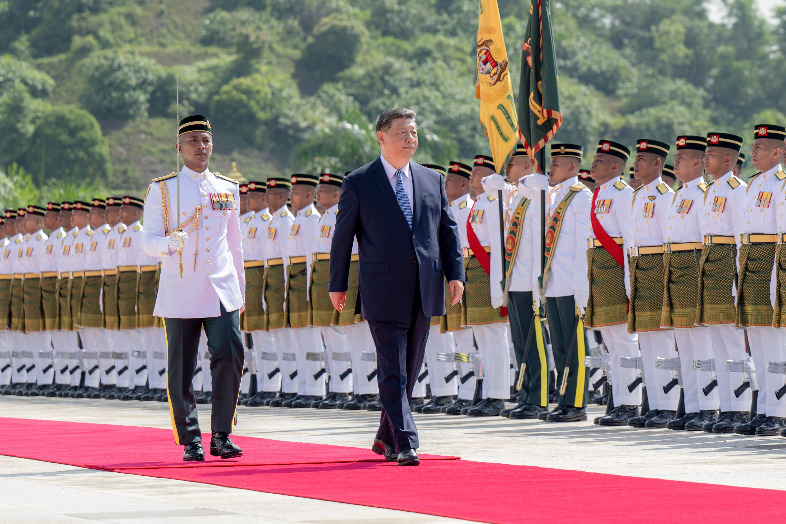
Chinese President Xi Jinping's visit to Cambodia, from Thursday to Friday, comes shortly after the two countries elevated their relationship to a Cambodia-China community with a shared future in the new era. Xi's visit reflects not only the enduring friendship between the two sides but also their joint commitment to build a brighter and more inclusive future.
Over the past two decades, Cambodia-China ties have grown into a comprehensive and forward-looking partnership. The two countries' agreement to build a community with a shared future in the new era represents their resolve to pursue inclusive, sustainable and mutually beneficial development. It signifies a shared belief in the power of partnership to uplift societies, improve lives and enhance regional connectivity.
Frequent high-level exchanges, especially the recent cordial meetings between Cambodian Prime Minister Hun Manet and President Xi, have reinvigorated bilateral ties and infused new energy into their strategic partnership. These interactions show the depth of understanding between the two countries' leaders and highlight their commitment to promote cooperation and create opportunities.
At the heart of the new era for their relations is the Cambodia-China "Diamond Hexagon" bilateral cooperation framework, a comprehensive road map which accords priority to six key areas of collaboration: political cooperation, production capacity and industrial development, agriculture, energy, security and people-to-people exchanges. The collaboration reflects not only their shared goals but also their shared responsibility to promote prosperity and maintain regional peace.
Concrete initiatives under this framework, such as the Industrial and Technological Corridor in Cambodia's Preah Sihanouk province — envisioned as a "second Shenzhen" — and the Fish and Rice Corridor in north-western Cambodia are inspiring examples of innovation and sustainable growth. These projects are already transforming local economies and creating new pathways for inclusive development.
Politically, both countries continue to support each other's core interests and collaborate closely on regional and global affairs, thus strengthening ASEAN unity and contributing to regional peace, dialogue and cooperation.
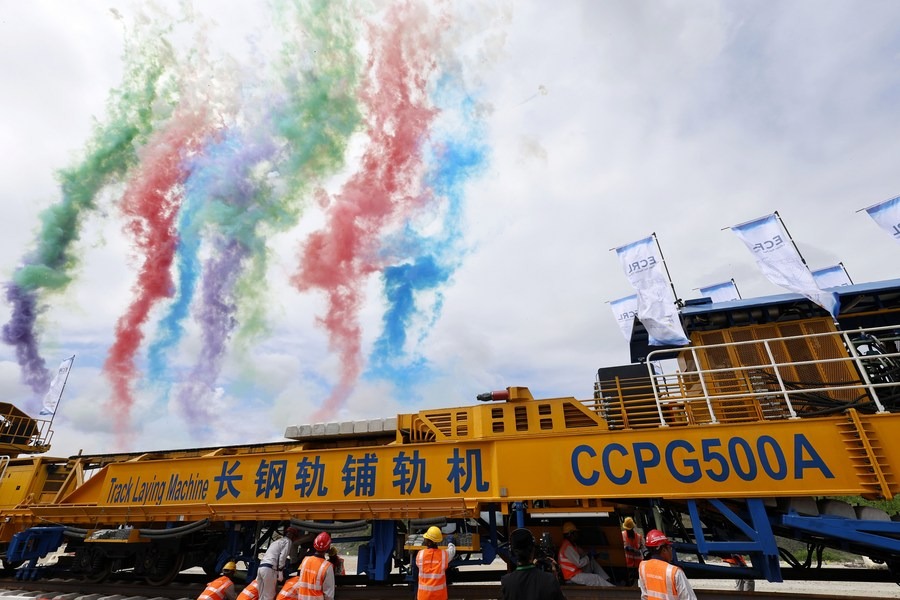
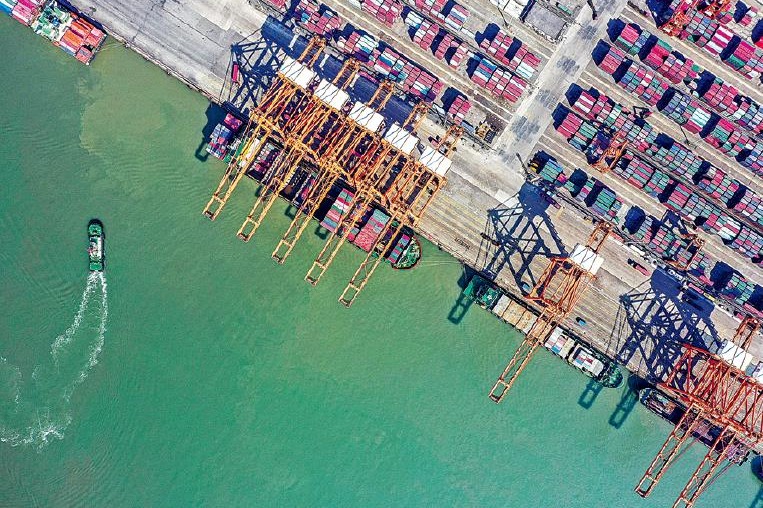
In the industrial and production sectors, China's support for infrastructure development and special economic zones has accelerated Cambodia's modernization efforts. The Phnom Penh-Sihanoukville Expressway, for instance, has become a symbol of transformative progress, boosting trade, reducing travel time and connecting key economic hubs across the country.
Agricultural collaboration between the two sides is equally promising. Thanks to Chinese investment and technology transfer, Cambodian farmers now have greater access to modern technologies and international markets, and are earning higher profits. This collaboration is not only improving people's livelihoods in Cambodia's rural areas but also making the country a stronger player in regional food security and agricultural trade.
Meanwhile, cooperation in energy, especially in the renewable sector, is helping Cambodia advance its green growth ambitions, the country is investing in solar, hydro and other sustainable energy sources with support from Chinese enterprises, laying the groundwork for long-term energy security and environmental sustainability.
In the security sector, the two countries are deepening cooperation in capacity-building, disaster response and public safety. These efforts ensure that peace and security remain the cornerstone of the two countries' development efforts, providing a stable environment for trade, investment and tourism.
Perhaps most inspiring are the flourishing people-to-people exchanges which form the heart of Sino-Cambodian relations. From education and cultural exchanges to tourism and digital innovation, the Cambodian and Chinese people are forging strong bonds of friendship, understanding and shared purpose.
China has long been Cambodia's largest trading partner and a major source of foreign direct investment. But their partnership goes far beyond numbers — it includes shared dreams, common values, and the belief that nations, no matter their size, can work together to achieve common development.
Also, China's contributions to Cambodia's infrastructure, technology and human resource development are helping to lay a solid foundation for long-term prosperity and resilience. And initiatives such as the Belt and Road Initiative, the Global Development Initiative, the Global Security Initiative and the Global Civilization Initiative resonate with Cambodia's national priorities, offering valuable frameworks for promoting innovation and pursuing green development and inclusive growth.
Cambodia is expected to continue its policy of openness, neutrality and active engagement with the international community. In this regard, its partnership with China serves as a bridge to enhanced bilateral cooperation and stronger ASEAN integration.
Looking ahead, the Cambodia-China relationship offers exciting new possibilities. From smart agriculture and digital transformation to youth entrepreneurship and academic exchanges, the opportunities are boundless.
The elevation of the Sino-Cambodian relationship to a community with a shared future in the new era, and the implementation of the "Diamond Hexagon" bilateral cooperation framework signify more than just policy shifts; they represent a vision for a better world, one where collaboration triumphs over conflict and development is shared by all.
The author is director-general of the International Relations Institute of Cambodia, Royal Academy of Cambodia. The views don't necessarily reflect those of China Daily.
If you have a specific expertise, or would like to share your thought about our stories, then send us your writings at opinion@chinadaily.com.cn, and comment@chinadaily.com.cn.