China's 'ASEAN visa' welcomed
Move to ease travel seen as boosting business, fostering people-to-people exchanges









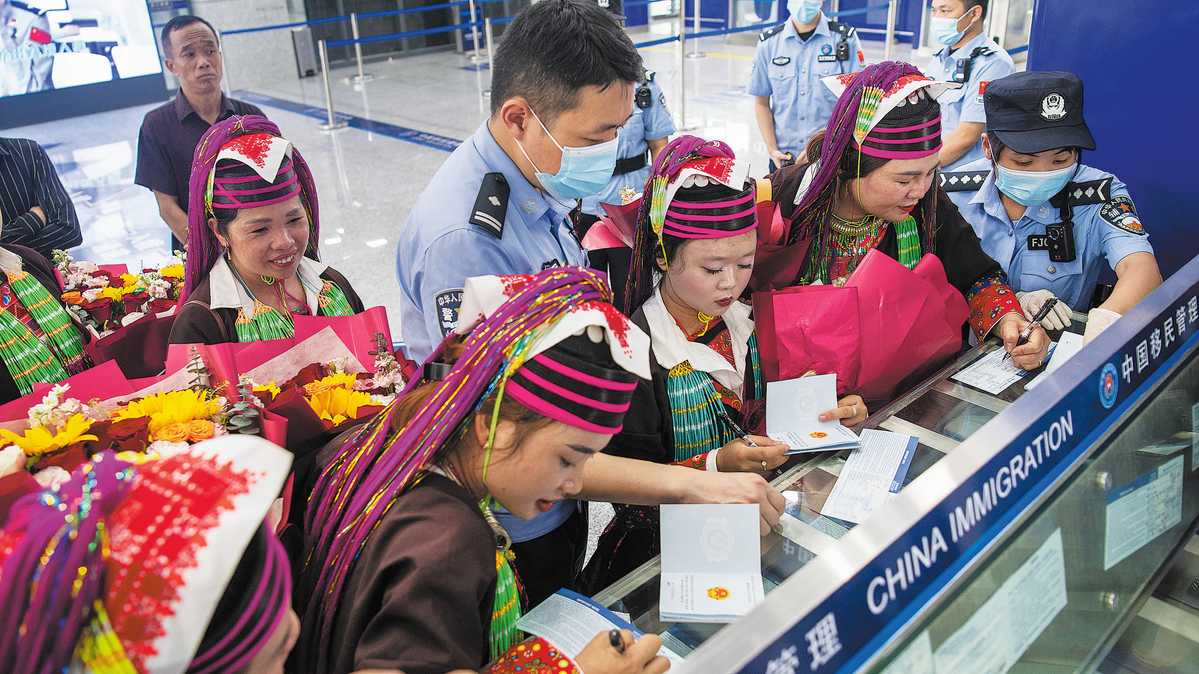
Ferri Limputra, CEO of Pura Mayungan — a Jakarta-based manufacturer of electrical components — regularly travels to China for both business and leisure.
This is why he welcomed the news that China has launched a five-year multiple-entry visa for business executives from the Association of Southeast Asian Nations.
"I am so happy with this new visa policy," Limputra said, noting that this will reduce paperwork and make it more convenient for him to travel to China.
China announced an "ASEAN visa" for business executives from the 10 ASEAN members and ASEAN observer Timor-Leste.
Chinese Foreign Ministry spokesman Lin Jian told a news conference on Tuesday that the new program offers five-year multiple-entry visas to eligible applicants visiting China for business. It allows them, their spouses and their children a maximum stay of 180 days.
Lin said this will further facilitate cross-border travel in the region following the visa-free arrangements between China and Singapore, Thailand and Malaysia, plus China's "Lancang-Mekong visas" program for Mekong River nations.
In recent years, he said, China and ASEAN have advanced the building of a community with a shared future and made important progress in creating a peaceful, safe, secure, prosperous, beautiful and amicable home.
"Visits between the people of China and Southeast Asian countries have been frequent. There is a mutual hope to further ease travel between the two sides," Lin said.
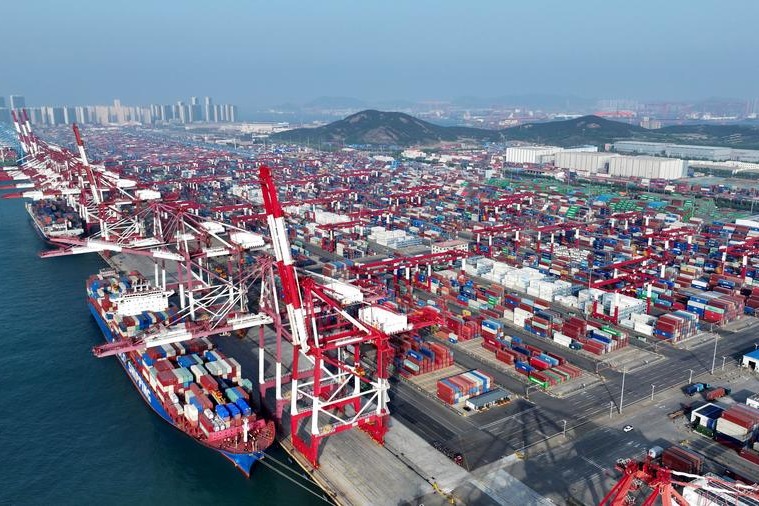
China is ASEAN's largest trading partner and one of the region's biggest sources of investment and tourists. ASEAN business executives and trade officials often go to China to negotiate deals or procure supplies.
Wilson Lee Flores, a Manila-based entrepreneur and analyst, said the multiple-entry visa for ASEAN citizens is "a game changer for business expansion and innovation".
He said the ease of travel will enable real-time negotiations, faster decision-making and invaluable insights into Chinese market trends.
Lee Flores said the ASEAN visa will boost bilateral trade and investment as it will "empower businesspeople to engage in more frequent, efficient and meaningful exchanges".
Enabling Filipino entrepreneurs, investors and traders to visit China with "unprecedented ease" will allow them to pursue more trade opportunities, attract higher-value investments and acquire advanced technologies to enhance local industries, he explained.
"The ripple effects will be profound: job creation, skills transfer, technology cooperation and sustained economic growth — helping position the Philippines as a more competitive player in the ASEAN-China economic corridor," Lee Flores said.
John Paolo Rivera, a senior research fellow at the state-run think tank Philippine Institute for Development Studies, said China's ASEAN visa has "notable economic and geopolitical implications" for the broader Southeast Asian region.
Mobility streamlined
He said streamlining mobility for businesspeople and their families may deepen trade and investment ties between China and ASEAN economies.
Rivera said easing travel would also make it easier to establish joint ventures, integrate the supply chain and participate in trade platforms like the Regional Comprehensive Economic Partnership and the Belt and Road Initiative.
"By offering this visa, China is positioning itself as a regional hub and connector, strengthening its soft power and diplomatic goodwill in Southeast Asia, and responding to growing Western protectionism by doubling down on regional integration in Asia," he said.
Laode Muhammad Syarif, senior lecturer at the Faculty of Law at Hasanuddin University in Indonesia, said the benefits of the ASEAN visa go beyond spurring business and trade opportunities.
"It may also improve people-to-people relationships between ASEAN and China," he said.
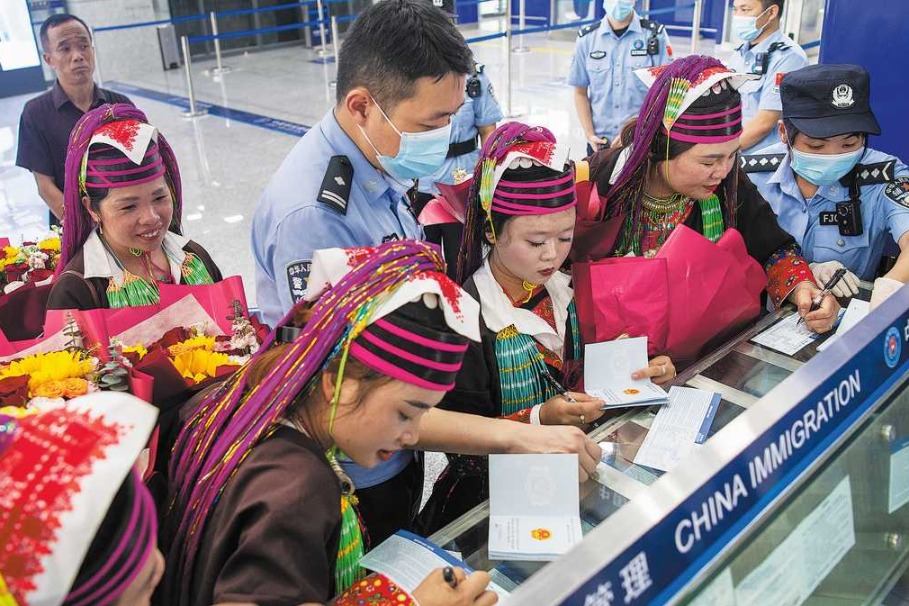
The number of visitors to Beijing from Indonesia, Malaysia and Thailand in April grew around threefold as compared to April 2019, Xinhua reported. The number of visitors from Vietnam to the Chinese mainland reached 16,715, an estimated tenfold rise for the same period.
Oh Ei Sun, senior fellow at the Singapore Institute of International Affairs, said the ASEAN visa can facilitate people's movement and people-to-people interactions between China and ASEAN member states.
"In particular, it would lead to the growth of tourism on both sides. It would also make the life of legitimate businesspersons much easier as they need to cross borders to conduct business at a moment's notice," he said.
Leonardus Jegho is a freelance journalist for China Daily.
Contact the writers at prime@chinadailyapac.com.