Rising rice price in Japan to make national beverage unaffordable









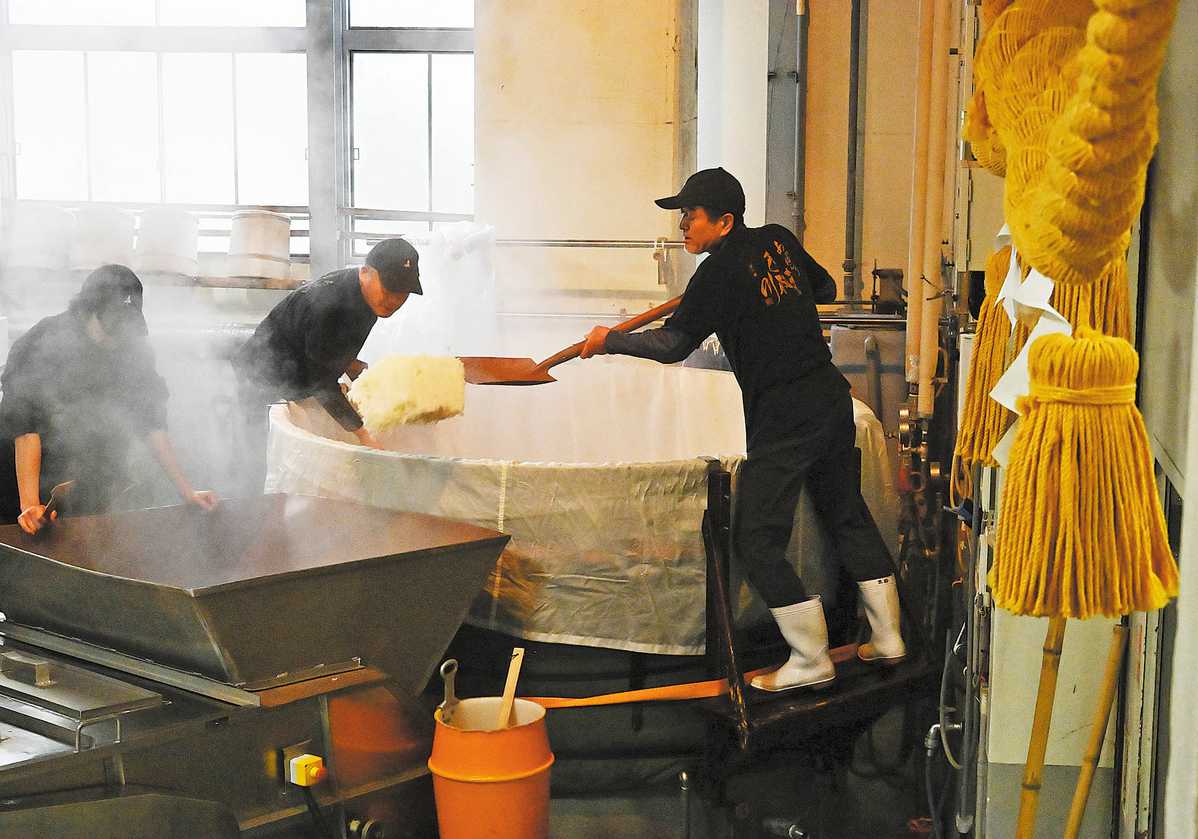
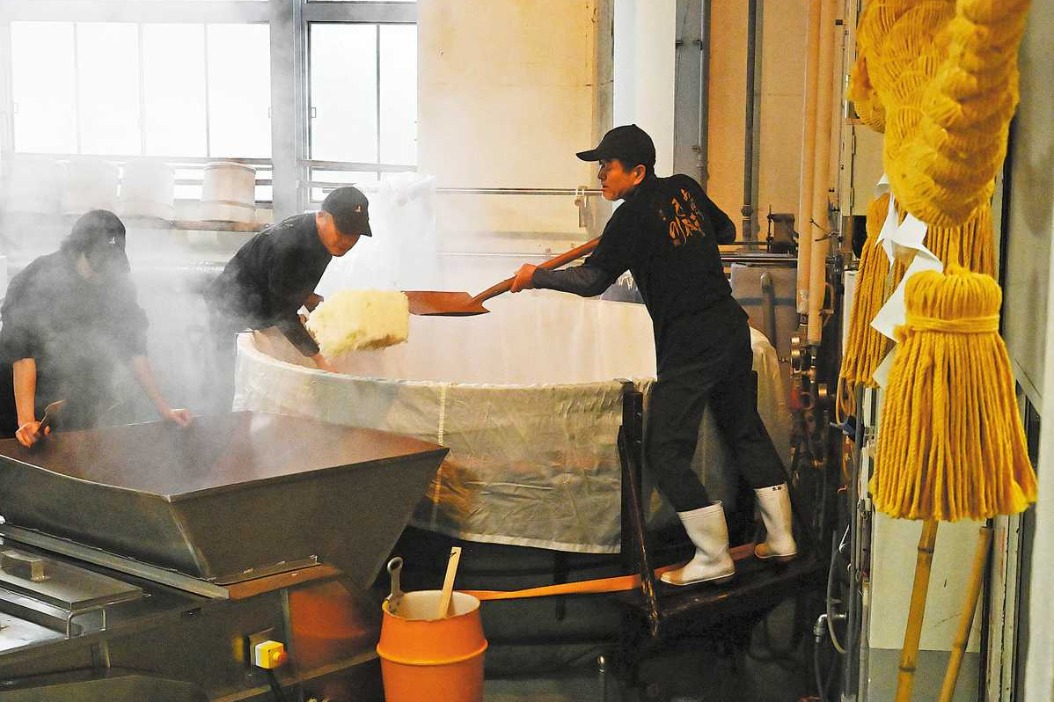
While rice for sake production has long been traded at a higher price than table rice, the price of table rice is now higher than that of sake rice — resulting in an increasing number of growers shifting to table rice production.
Since this will cause a sake rice shortage, the price of sake rice harvested this year is expected to increase, The Japan News said.
The registration of traditional sake brewing techniques as a UNESCO Intangible Cultural Heritage last December was a tailwind for the sake industry. However, the industry has been shaken by this unexpected turn of events.
The price of Japan-grown rice is soaring due to high inflation, low farm yields and a growing tourism sector. Japan is facing a "rice crisis" as the price of its favorite staple food has nearly doubled over the past year amid rising inflation and supply shortages.
"The purchase price of sake rice harvested in 2025 will be more than 30 percent higher than (sake) rice harvested in 2024, which is an unprecedented increase," said Keiki Hane, president of Toyama-based Fumigiku Sake Brewery. Toyama is where riots caused by the high price of rice that erupted across Japan in the Taisho era (1912-1926) began, and the brewery was established in 1916.
The brewery uses about 250 metric tons of brown rice a year for sake brewing. The purchase price per 60 kilograms of gohyakumangoku rice, a sake rice variety known as the queen of sake rice, was 16,000 yen ($111) in 2023 and 18,000 yen in 2024.
Now producers have informed the brewery that the price of the rice harvested in 2025 is expected to be 24,000 yen. A simple calculation shows that the brewery's expenses will increase by 25 million yen.
"Sake rice accounts for nearly 60 percent of raw material costs. Our efforts can't do much to overcome the situation," Hane said. The company plans to raise the prices of its products by at least 3 to 5 percent around this autumn.
In general, the grains of sake rice are larger than those of staple rice, and the stalks are taller. Since sake rice plants are more susceptible to the effects of wind and rain and require labor to cultivate, it has been traded at a higher price than staple rice.
According to the Agriculture, Forestry and Fisheries Ministry, staple rice produced from 2013 to 2023 was traded between sellers and buyers at prices ranging between 11,000 yen and below 15,000 yen per 60 kg, excluding tax.
Over the same period, the price of yamada nishiki, a popular sake rice variety grown in Hyogo Prefecture, ranges between 23,000 yen and 24,000 yen, while the price of gohyakumangoku rice from Niigata Prefecture was in the 16,000 yen range.
Growers' choice
However, the price of staple rice has soared in 2024, and in March, the average price was 24,500 yen including tax. This has prompted many rice growers, who are in the midst of rice planting for the 2025 harvest, to switch from sake rice production to staple rice production.
An official of the Hyogo Prefecture's sake rice promotion association, comprising sake rice producers, said, "Farmers' switch to staple rice is inevitable." The price of sake rice is likely to surge due to the anticipated decrease in the production of sake rice.
According to the Tokyo-based Japan Sake and Shochu Makers Association, the impact is already apparent. The price of sake rice purchased by sake breweries is often determined through negotiations between prefectural sake brewers'associations and sake rice producers.
"Associations across the country are facing tough price negotiations,"said Takeshi Nagata, director of the association. "I am very concerned about the situation because the results of price negotiations could directly lead to a business crisis, especially for small and medium sake breweries."
Yasuyuki Kishi, vice-director of Niigata University's Sakeology Center, said: "As far as agricultural products are concerned, there are always unstable factors such as prices. It is important for sake brewers to cooperate with farmers and create a business strategy that enables competitive sake production."
The Japan News