Anime economy diversified momentum









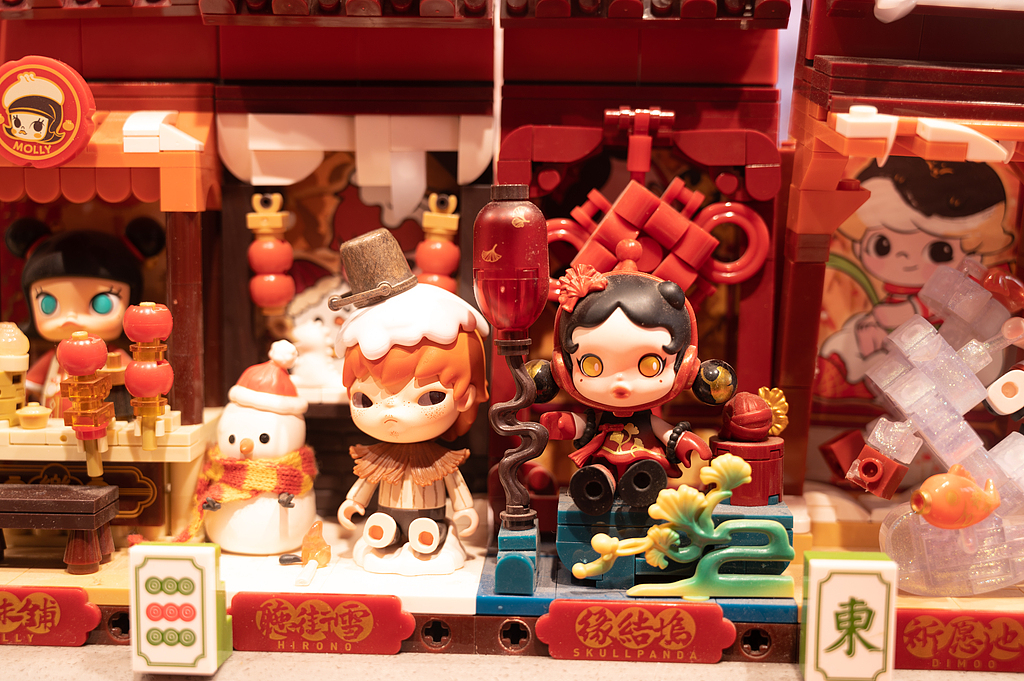
Once a playground for self-proclaimed geeks and midnight forum lurkers, China's "goods economy (anime economy)" — what's fondly called erciyuan (two-dimensional space) — has entered the mainstream. No longer confined to back-alley comic shops or niche BBS threads, it now boasts an ecosystem that generates billions of dollars and mobilizes millions of people. And yes, it's still got cosplay.
Born from subculture and turbocharged by digital technology and a finely segmented market, the anime economy is no longer just about quirky cartoons or obscure game characters. It's become a full-fledged consumer universe — complete with its own identity politics, emotional economies and tribal rituals.
In 2024 alone, the broader anime merchandise market in China was worth an incredible 597.7 billion yuan ($82 billion). Badges, blind boxes, body pillows and other products of the same ilk are now a heavyweight in the national economy. Behind this development is a 500-million-strong army of fans who don't just buy stuff; they buy meaning.
In the age of erciyuan, what you wear and carry say more about who you are than your ID card ever would. The so-called tongbao (itabag), overloaded with badges, figurines and stickers of your favorite characters, is the new designer handbag. It doesn't scream "status" in the Hermès' sense; instead, it says "I belong"… to a fandom, a story, a world beyond this one.
These are not frivolous accessories; they are portable identity kits. A fan of Haikyuu!! once paid more than 80,000 yuan for a teamflag-themed mahjong set on a second-hand online trading site. Another shelled out 2,350 yuan for a rare Pop Mart figurine. At these prices, you're not just buying merchandiseyou're buying social capital. You're earning respect (or envy) in the fan kingdom. Think of it as the anime world's version of luxury streetwear.
The anime economy doesn't just sell products; it sells emotional resonance. When Genshin Impact players wear a "Vision" pendant in real life, they're not just accessorizing, they're projecting themselves into the game world. The accessory is not only pretty but also a psychological anchor, a wearable confidence boost.
Then there's the doll parent phenomenon. BJD dolls — ball-jointed, meticulously styled and often creepily lifelike — are not just toys. They're family. Owners call them their "sons" and "daughters", shower them with clothes, affection, and Instagram-worthy photo shoots. More than just play, it's emotional outsourcing, identity-building via relationship simulation. And it works.
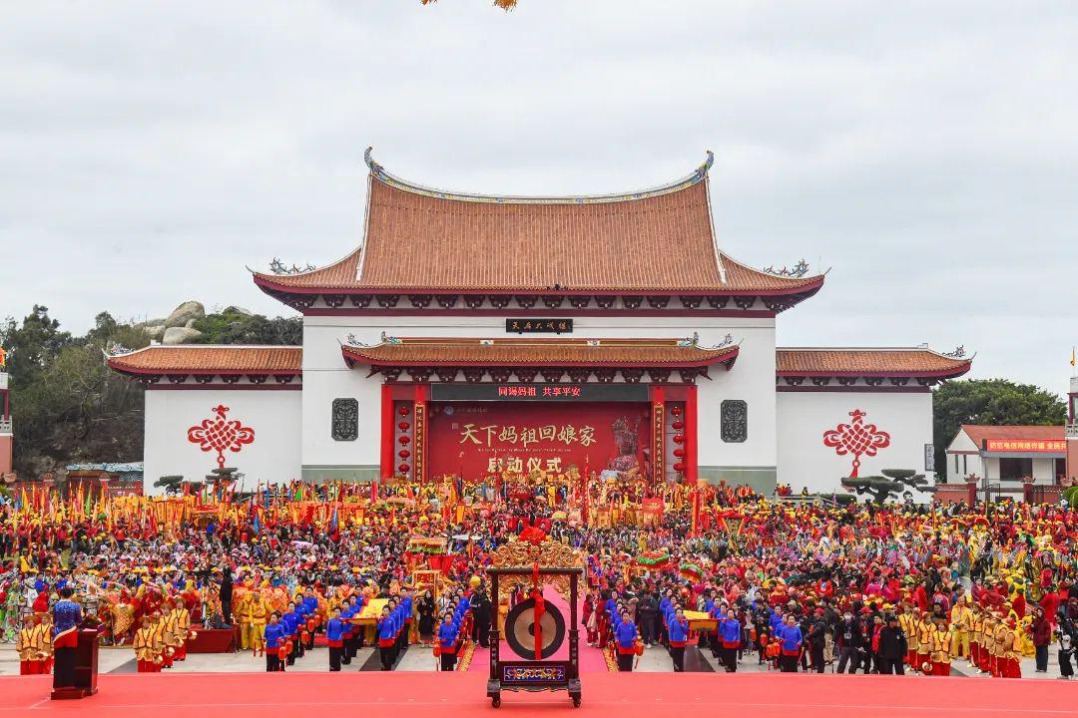
If identity and emotion are the bedrock of the anime economy, community is its social glue. Events like COMIC UP, a mega-sized convention that attracted more than 250,000 fans in 2024, are less about shopping and more about belonging. Imagine stalls of handmade merchandise, cosplay competitions, impromptu dance routines, and people bonding over shared obsessions. It's comiccon Chinese-style with a dash of more neon.
Within these communities, the rules of the game are strict. There's an in-group language, references only insiders understand, and an invisible gate that keeps outsiders respectfully clueless. But once you're in, you're in. And your loyalty has value.
Just ask Bilibili. Its virtual streamer team VirtuaReal earned a whopping 28 million yuan in livestream revenue in just half a year. The fans weren't just tipping, they were investing in a relationship. In this economy, love really does cost a thing. And it pays.
From Genshin Impact's global music hits to Black Myth: Wukong and Ne Zha, Chinese anime IPs are winning domestic hearts, as well as going global. With local cultural roots and global storytelling appeal, these creations are forging new bridges of cultural identity.
The future of the anime economy may lie at the intersection of AI-generated content, immersive metaverse platforms and wearable technology. The real question is not whether it will go global — because it already has — but whether it will redefine global youth culture in the process.
As erciyuan continues to evolve, it's clear this is more than just a consumer trend. It's a cultural reimagining. It's how a generation finds itself, through fiction, through fandom and through a little badge on an itabag.

The views don't necessarily represent those of China Daily.
If you have a specific expertise, or would like to share your thought about our stories, then send us your writings at opinion@chinadaily.com.cn, and comment@chinadaily.com.cn.