Goal of high-tech self-reliance unchanged: China Daily editorial









The US government has intensified its crackdown on China's high-tech industry in recent years claiming it poses a threat to US "national security".
But in reality, by restricting exports of high-end chips to China, it is trying to make sure it dominates the development of artificial intelligence technology. Washington has also placed many Chinese high-tech companies including advanced chip producers on its blacklist, preventing them from using US semiconductor manufacturing technology and designs.
China firmly opposes the US' moves, calling them unilateral bullying and economic coercion that aim to "maliciously block and suppress Chinese businesses" and has called on the US to stop politicizing science and technology cooperation which is in the interests of both countries.
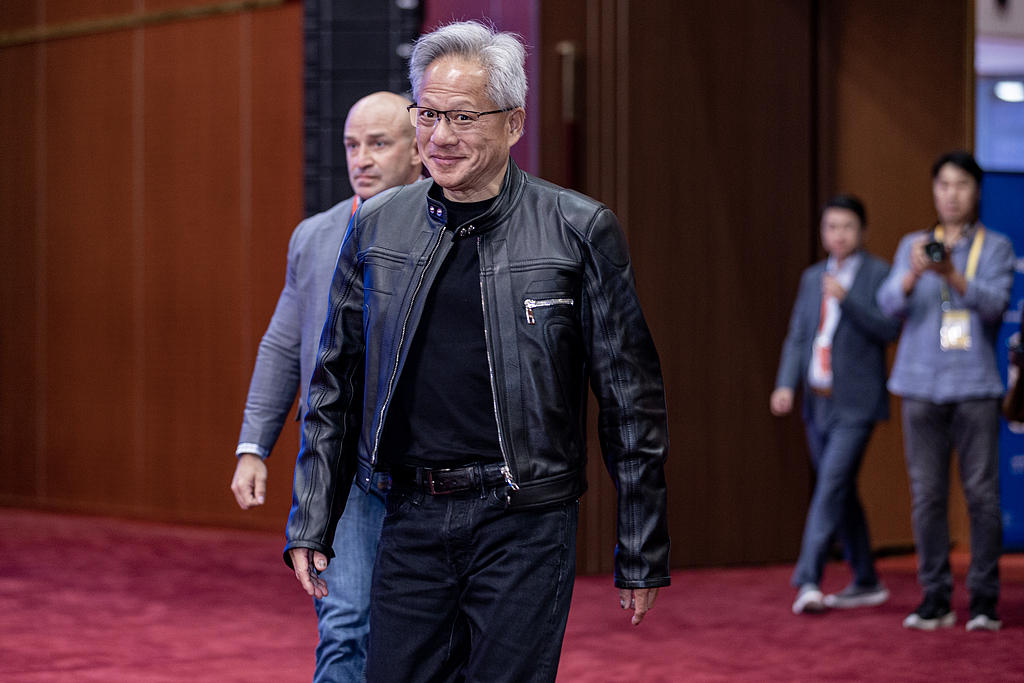
It was against this backdrop that Nvidia Chief Executive Officer Jensen Huang visited Beijing this week, announcing on Tuesday that the world's top AI chip maker will resume supplying China with its H20 chips in the coming months, having been given the green light to do so. He also said that the company is looking to bring more advanced semiconductors to the world's second-largest technology market.
The H20 chips are a less powerful version of Nvidia's AI processing units designed specifically for export to China following the US administration's implementation of its advanced chips export ban. But Nvidia still has to solicit the US administration's permission to ship the chips to China. "The US government has assured Nvidia that licenses will be granted, and Nvidia hopes to start deliveries soon," the company said.
The news certainly comes as a boon for Nvidia, given the Chinese market's importance to the company's business. "The Chinese market is massive, dynamic and highly innovative, and it's also home to many AI researchers," Huang said on Tuesday. The country generated $17 billion in revenue for Nvidia in the fiscal year ending Jan 26, approximately 13 percent of its total sales, according to its latest annual report. Nvidia has also said that US sales restrictions on its chips in China would cost the company about $5.5 billion.
The adjustment of the US' export restrictions can be attributed to the easing of trade tensions between the world's top two economies. US Commerce Secretary Howard Lutnick said on Tuesday the planned resumption of sales of H20s to China is part of the US' bargaining negotiations on rare earths supplies from China, though he did not provide any additional details.
But Huang's consistent argument that Nvidia's leading position could slip away if the company cannot sell to the Chinese market has been echoed by many US industry leaders. This is because Chinese high-tech companies have never given up despite the challenges they face from the US export restrictions, and have continued to be competitive with their US peers.
Take Huawei for example. The major Chinese firm targeted by the US with sanctions has reportedly made breakthroughs in the manufacturing of its own AI chips and smartphone processors. Its Ascend 910C and upcoming Ascend 920 chips are reportedly poised to fill a void left by US tech export restrictions that have curbed China's access to top-tier US chips from companies such as Nvidia.
This may explain why some have seen Washington's policy adjustment as a calculated move to limit Huawei's AI chip prowess. White House science and technology advisor David Sacks was very direct when explaining why the US now lets Nvidia sell less-advanced chips, which he described as a pragmatic choice to maintain a commercial foothold in China. "We're not selling our latest, greatest chips to China, but we can deprive Huawei of basically having this giant market share in China," he told the media.
In the face of the US' sanctions on Chinese high-tech companies, China has no other choice but to make steady progress in developing homegrown chips and operating systems to reduce its reliance on foreign technologies. No matter how the US policies in regard to high-tech restrictions evolve, China will continue to make relentless efforts to achieve greater self-reliance and strength in the tech field. It is a path that the nation must take in a bid to achieve breakthroughs in "stranglehold technologies" in its modernization drive.
What has been happening in China as a result of the US restrictions on sales of advanced AI chips to the country demonstrates the old adage that what doesn't kill you makes you stronger.